Fernweh: Home
ExploreGuideDestinationsMy tripsMy trip
de|en
  • Why go
  • Highlights
  • Regions
  • Round trips
  • Local food
  • Good to know
  • Best time to visit
  • Travel advice
South Korea

Photo by Henry Acevedo on Pexels

Travel Guide South Korea

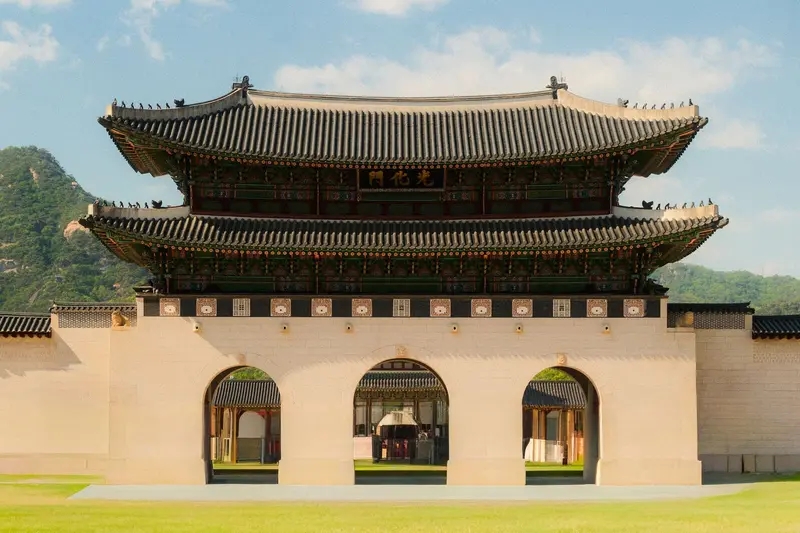
South Korea unites the palaces of the Joseon Dynasty and Buddhist mountain monasteries with Seoul, one of Asia's most dynamic metropolises.

by Felix Gillen

Why Go To South Korea?

In South Korea, 14th-century royal palaces, seaside temples, and Hanok villages are just a few train hours from skyscrapers, night markets, and design museums. Explore Seoul's palaces and trendy districts, hike in Seoraksan National Park, trace the Silla Kingdom's footsteps in Gyeongju, and discover a unique maritime side of the country along the coasts of Busan and Jeju. Plus, a cuisine featuring countless side dishes, street food, and markets is a reason to visit in itself.

Contents

  • Highlights
  • Regions
  • Round trips
  • Local food
  • Good to know
  • Best time to visit
  • Travel advice

Where in South Korea?

Pick an area. The highlights, road trips and places below follow your choice.

Highlights in South Korea

What you should have seen
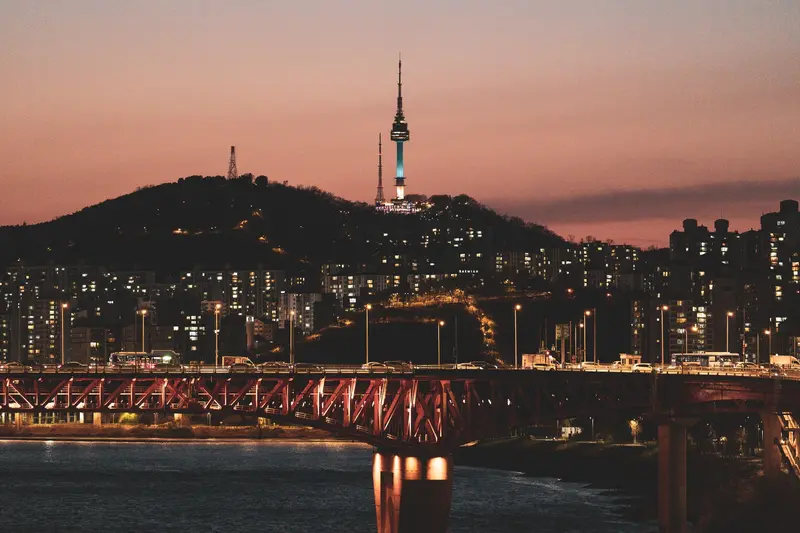
Seoul

Photo by Hyeok Jang on Pexels

Highlight 1 of 4

Seoul

Seoul ist das politische, wirtschaftliche und kulturelle Zentrum Südkoreas: rund 9,3 Millionen Menschen leben in der Stadt am Han-Fluss, im Großraum sind es rund 26 Millionen.

Discover
Suwon

Bernard Gagnon / Wikimedia Commons / CC0
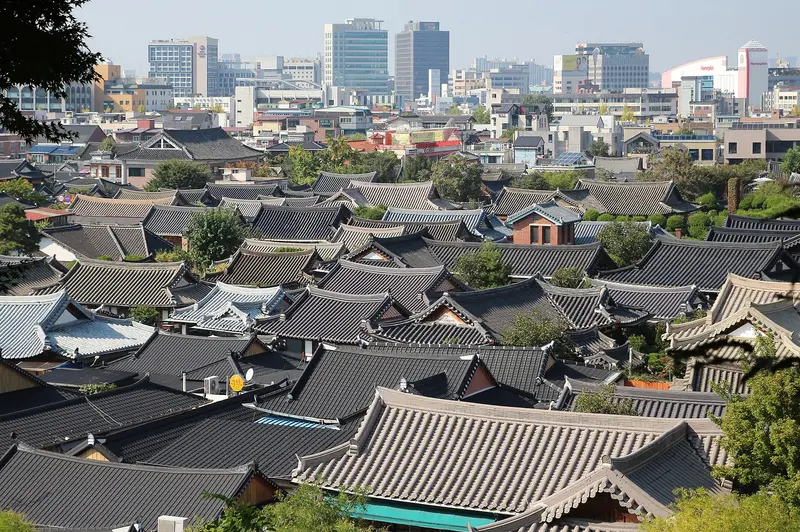
Highlight 2 of 4

Suwon

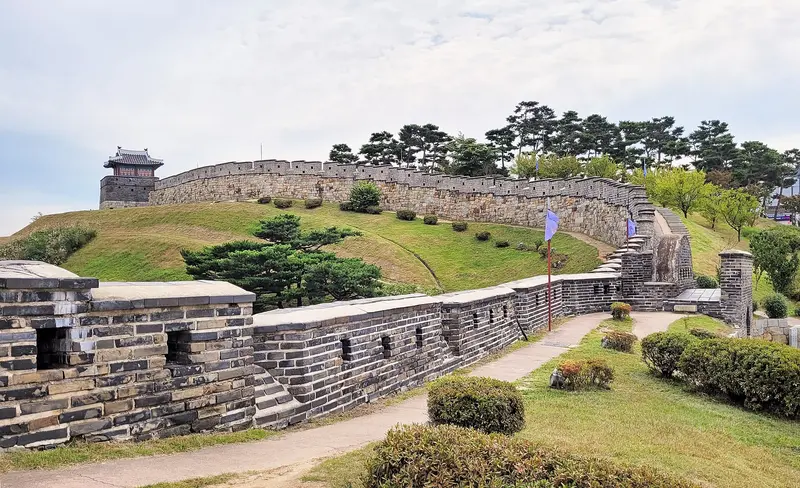
Suwon, the capital of Gyeonggi Province, lies approximately 30 km south of Seoul. Its main attraction is Hwaseong Fortress, built by King Jeongjo in the late 18th century, a UNESCO World Heritage site since 1997.

Discover
Jeonju

Bernard Gagnon / Wikimedia Commons / CC0
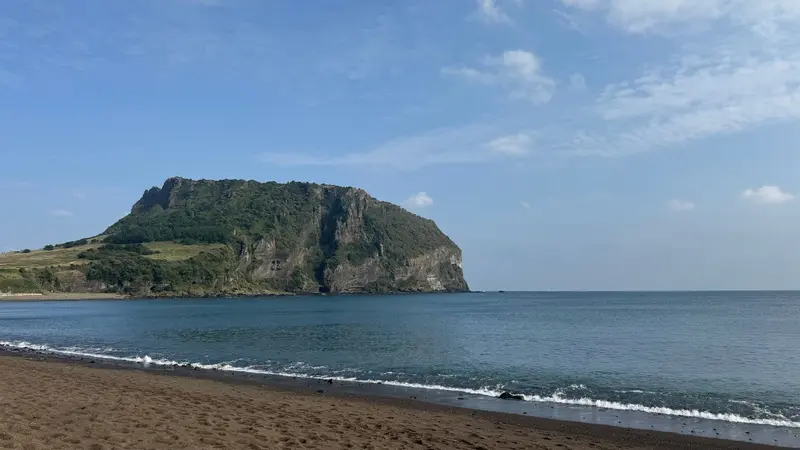
Highlight 3 of 4

Jeonju

Located in the southwest of South Korea, Jeonju is primarily known for its Hanok Village, featuring several hundred traditional houses.

Discover
Jeju

Photo by 현우 조 on Pexels

Highlight 4 of 4

Jeju

Jeju is a volcanic island in the south of South Korea with approximately 663,000 inhabitants. It is administered in two parts: Jeju-si in the north and Seogwipo-si in the south.

Jeju is easily divided into five parts. Jeju City and the North Coast, with its airport, Dongmun Market, and Hamdeok Beach, are the starting point for most.

Discover

More highlights in South Korea

Busan

Busan

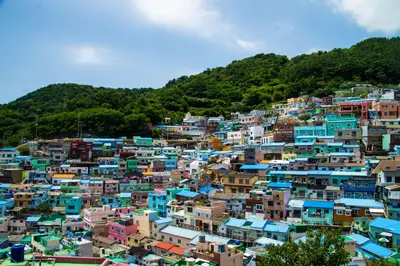
Located on the southeastern tip of the Korean Peninsula, Busan is a port and beach metropolis with approximately 3.2 million inhabitants. City beaches like Haeundae and Gwangalli are found here alongside mountain temples such as Beomeosa and hillside villages from the Korean War era like Gamcheon. During the war, the city grew significantly due to refugees, a history still told today by Gukje Market and the pork soup Dwaeji-gukbap. Every October, Busan hosts the Busan International Film Festival, Korea's first international film festival.

Saksham Vikram·Pexels

Gyeongju

Gyeongju

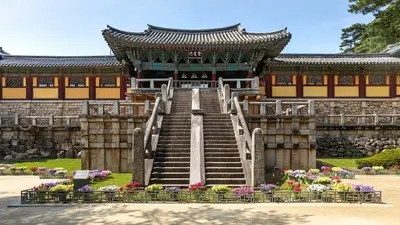
Gyeongju was the capital of the Silla Kingdom for about 1,000 years, from 57 BC to 935 AD. Burial mounds, palace ponds, and temples are still found within the city today. The city in the far southeast of Gyeongsangbuk-do Province has several sites on the UNESCO World Heritage List, including Bulguksa and Seokguram, the Historic Areas, and Yangdong Village. Several central sites such as Cheomseongdae, Woljeonggyo, and Wolji are accessible in the evenings until 10 PM.

Basile Morin·CC BY-SA 4.0

Andong and Hahoe

Andong and Hahoe

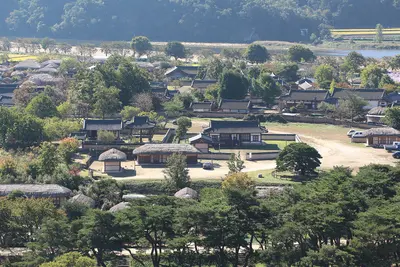
Andong ist die Hauptstadt der Provinz Gyeongsangbuk-do und das Zentrum einer konfuzianisch geprägten Kulturregion mit den Akademien Dosan Seowon und Byeongsan Seowon. Zur Stadt gehört das Dorf Hahoe des Pungsan-Ryu-Klans, das seit 2010 zusammen mit Yangdong als „Historic Villages of Korea“ zum UNESCO-Welterbe zählt. Bekannt ist Hahoe auch für den Maskentanz Hahoe Byeolsingut Talnori, ein nationales immaterielles Kulturgut. Ende September oder Anfang Oktober findet das Andong International Mask Dance Festival statt.

Bernard Gagnon·CC0

Seoraksan National Park and Sokcho

Seoraksan National Park and Sokcho

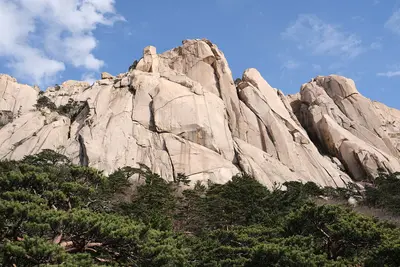
Seoraksan on the east coast has been a National Park since 1970 and a UNESCO Biosphere Reserve since 1982. Its highest peak, Daecheongbong, is 1,708 m. Park sights: Ulsanbawi Rock, Biseondae Rock Platform, Sinheungsa Temple. A cable car ascends to Gwongeumseong. The port city Sokcho is the starting point, its Abai Village home to North Korean war refugees (1950-53) and descendants.

kallerna·CC BY-SA 4.0

Gangneung

Gangneung

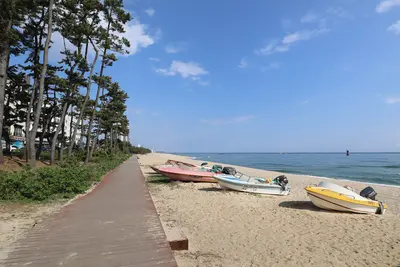
Gangneung, located on Gangwon Province's coast, is just two hours from Seoul by KTX-Eum. Its historical estates include Ojukheon, scholar Yulgok's birthplace, and Seongyojang, the residence of Lee Nae-beon's family. Coastal attractions include Gyeongpo Beach with Gyeongpoho Lagoon and the Anmok Beach cafe street. Gangneung is renowned for Chodang-Sundubu, a soft tofu curdled with seawater, and for the UNESCO-listed Danoje Festival.

Mobius6·CC BY-SA 4.0

DMZ and Paju

DMZ and Paju

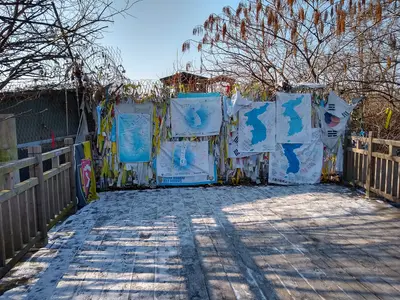
Before any visit to the border region, check the current UK FCDO travel advice for South Korea (gov.uk/foreign-travel-advice). Individual visits to the Demilitarized Zone are restricted. You visit it on the Paju DMZ Peace Tour from Imjingak or on an organised tour from Seoul. Course A runs from Imjingak to the Third Tunnel, the Dora Observatory and back via Tongil-chon, takes about 3 hours and costs 12,200 KRW including the monorail in the tunnel. Tickets are sold on site from 9 am to 2:30 pm, bookings via dmz.paju.go.kr. Since 24 April 2026, the DMZ Peace Link Train has also run on the 2nd and 4th Friday of each month from Seoul…

Lance Vanlewen·CC BY-SA 4.0

Tongyeong

Tongyeong

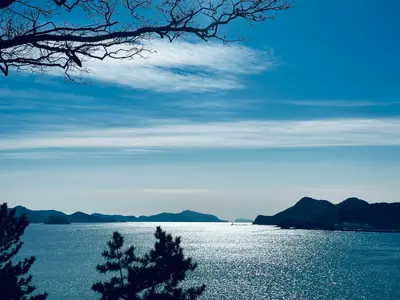
Tongyeong is a coastal city in Gyeongsangnam-do Province at the southern tip of the Goseong Peninsula, surrounded by the sea on three sides. The city area includes 41 inhabited and 110 uninhabited islands, and the port is the gateway to Hallyeohaesang National Park. Take the cable car up 461-meter-high Mireuksan; the mural village of Dongpirang is by Gangguan Port. Tongyeong is home to composer Isang Yun, and Chungmu-Gimbap is named after the former city name, Chungmu.

Peter Kang·Unsplash

How to plan your trip to South Korea

From the guide to the road: here is what comes next.

  1. 1
    Sunrise over alpine peaks and a sea of clouds
    1234

    Round trip

    12 days · 4 stops

    Saved

    Pick a route

    Pick a ready-made one or save places and plan your own.

    Browse routes
  2. 2

    Trip to South Korea

    Live
    • 1Seoul3 days
    • 2Suwon4 days
    • 3Jeonju5 days
    Budget

    Plan your trip

    The planner sorts stops, days and budget. Plan together in real time.

    Go to My Trips
  3. 3
    9:41 No signal
    South Korea
    Available offline

    Photo by Henry Acevedo on Pexels

    Use it on the road

    Download the guide to your phone and use it on site, even offline.

Regions to Discover

Explore the diverse regions of South Korea.
Jeju

Jeju

Jeju is a volcanic island in the south of South Korea with approximately 663,000 inhabitants. It is administered in two parts: Jeju-si in the north and Seogwipo-si in the south. In the center of the island stands the 1,947 m high Hallasan with the crater lake Baengnokdam.Since 2007, Hallasan, Seongsan Ilchulbong, and the Geomunoreum lava tube system have been protected as a UNESCO Natural Heritage site "Jeju Volcanic Island and Lava Tubes."

현우 조·Pexels

Recommended Itineraries

Discover the best routes through South Korea.
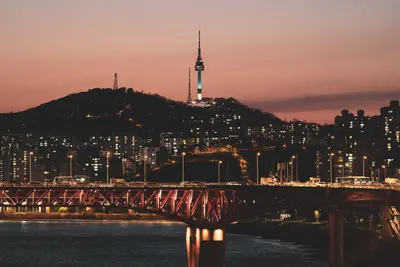
  • Rail journeys & panoramic trains
Classic: Seoul, Gyeongju, Busan and Jeju

Classic: Seoul, Gyeongju, Busan and Jeju

The round trip links the capital with ancient Silla capital Gyeongju, port metropolis Busan, and volcanic island Jeju. Between Seoul, Gyeongju, and Busan, you travel comfortably by high-speed train KTX; to Jeju and back by short domestic flights.

12 Days
Stops at a glance
  1. 1.Seoul
  2. 2.Gyeongju
  3. 3.Busan
  4. 4.Jeju
  5. 5.Seoul
View Route Details →

What you eat in South Korea

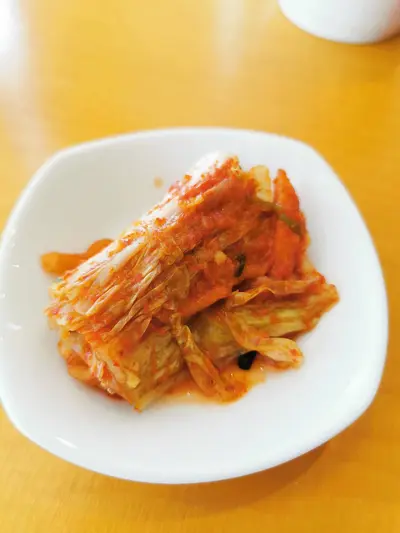
Kimchi

AhmadElq·CC BY-SA 4.0

Kimchi

Kimchi, fermented veggies

Salted and fermented vegetables, most commonly Napa cabbage or radish, seasoned with chili powder, garlic, ginger, and fermented seafood. There are many regional varieties, and Kimchi is served at almost every meal. The communal kimchi-making in late autumn, Kimjang, has been part of UNESCO's Intangible Cultural Heritage since 2013.
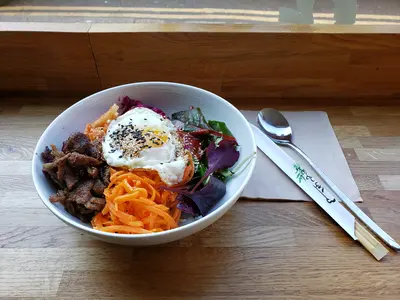
Bibimbap

Andy Li·CC0

Bibimbap

Bibimbap, mixed rice

Rice with seasoned vegetables, chili paste, and often an egg and beef, all mixed before eating. The Jeonju variant is the most famous. In a hot stone pot (Dolsot-Bibimbap), a crispy rice crust forms at the bottom.
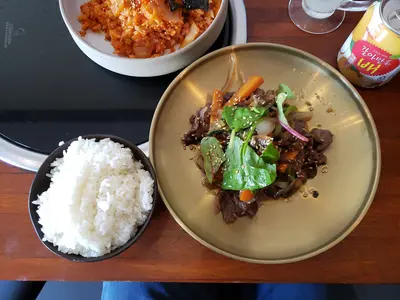
Bulgogi

Andy Li·CC0

Bulgogi

Bulgogi, delicious marinated beef

Literally 'fire meat': thinly sliced beef, marinated in soy sauce, sugar, sesame oil, and garlic, often with puréed pear as a tenderizer. Traditionally, it's grilled or pan-fried and served with rice and side dishes.
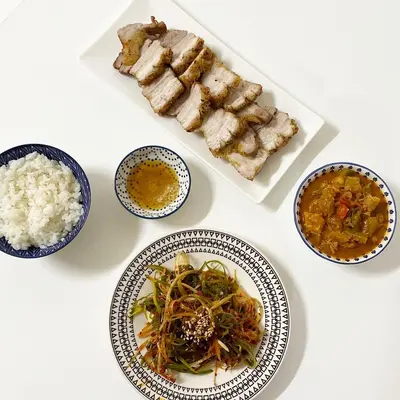
Samgyeopsal

에그란·CC BY 4.0

Samgyeopsal

삼겹살, pork belly, table grilled

Thick, usually unmarinated slices of pork belly that you grill yourself at the table. The meat is eaten in lettuce or perilla leaves with seasoning paste and garlic, often along with Soju. On Jeju, the black Jeju pork variety is a specialty.
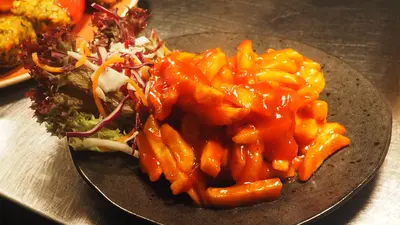
Tteokbokki

Chan Walrus·Pexels

Tteokbokki

Tteokbokki, rice cakes in chili sauce

Cylindrical rice cakes in a spicy sauce made from chili paste, often served with fish cakes and a boiled egg. This dish is a classic found at street stalls and snack bars. The original court cuisine version is prepared with soy sauce and is not spicy.
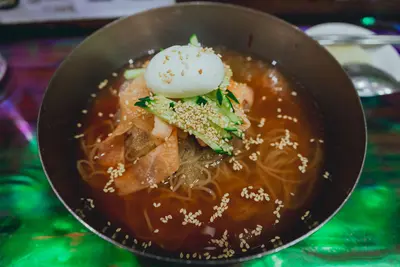
Naengmyeon

Theodore Nguyen·Pexels

Naengmyeon

냉면, cold buckwheat noodles

Thin, cold buckwheat noodles, a classic for hot summer days. In the Pjöngjang variant, they float in ice-cold, clear broth; in the Hamhung variant, they are mixed with a spicy-sweet sauce. In Busan, there is a wheat flour version called Milmyeon.

Good to Know

Essential info for your trip planning.

Land & People

Population and LanguageSouth Korea is home to approximately 51 million people across over 100,000 square kilometers,…

History & Society

From the Three Kingdoms to JoseonFor centuries, the kingdoms of Goguryeo, Baekje, and Silla shared the peninsula, until…

Food & Drink

Rice, Kimchi and many Side DishesAlmost every meal includes rice, soup, and a selection of small side dishes (Banchan),…

Practical Info

For current and authoritative travel, safety and health advice, see the UK FCDO travel advice for South Korea (gov.

Getting Around

Trains, buses and flightsThe KTX high-speed train links Seoul with Busan in about two and a half hours and with…

Traveling with Kids

Amusement Parks and AquariumsIn Seoul, Lotte World is located right by Jamsil subway station.

Best Time to Visit

When is the best time for your trip?

April
May
September
October
November
8–22°C·51–142 mm(moderate rain)
The most pleasant time to travel is in spring (April and May) and autumn (September to November). Cherry blossoms begin on Jeju and the south coast from mid-March and reach Seoul in early April, with autumn foliage brightest from late October to early November. In spring, yellow dust can pollute the air.
Climate values for Seoul, averages 1991 to 2020 from the Korea Meteorological Administration (KMA). From June to August, Seoul receives about two-thirds of its annual rainfall. The Jangma rainy season in Central Korea typically lasts from late June to late July, starting a few days earlier on Jeju. Typhoons mainly occur from July to September. Jeju and the south coast are milder than Seoul in winter.

Seasons

Jan
Feb
Mar
Apr
May
Jun
Jul
Aug
Sep
Oct
Nov
Dec
Spring and Autumn: mild, best travel time
Summer: hot, humid, rainy season Jangma
Winter: cold and dry
Best Time to Visit
▶Show detailed monthly data
MonthTemp (°C)Rain (mm)Sun (h)
January-1.9175.5
February0.7286.0
March6.1376.4
April12.6736.9
May18.21047.2
June22.71306.3
July25.34144.0
August26.13485.0
September21.71426.0
October15.0526.7
November7.5515.2
December0.2235.3

Travel advice

Safety, entry requirements and health: the official, up-to-date advice for South Korea is published by the UK government on GOV.UK.

Go to GOV.UK
Sources & method

  • Photos: Wikimedia Commons, Unsplash, Pexels. Each photo carries its credit.
  • The content is based on web research from public, traceable sources. How the content is made · The role of AI
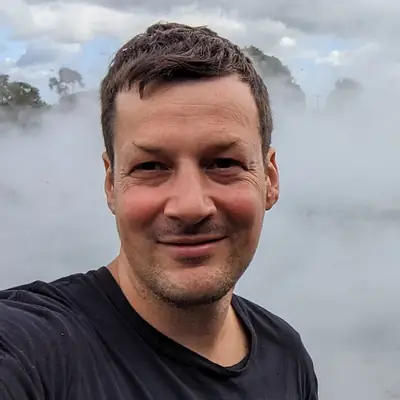
Felix at Kuirau Park in Rotorua, New Zealand

Who's behind Fernweh?

Hi, I'm Felix.

I love to travel, and I love planning even more. Fernweh.guide is my attempt at building a really good online travel guide.

About Fernweh

All places in South Korea

  • Andong and Hahoe
  • Busan
  • Daegu
  • DMZ and Paju
  • Dongdaemun
  • Gangnam and Jamsil
  • Gangneung
  • Gongju and Buyeo
  • Gyeongju
  • Haeinsa and Gayasan
  • Hongdae and Mapo
  • Insadong and Ikseon-dong
  • Itaewon and Yongsan
  • Jeju
  • Jeonju
  • Jongno and Palace Quarter
  • Myeongdong and Namsan
  • Seoraksan National Park and Sokcho
  • Seoul
  • Suncheon
  • Suwon
  • Tongyeong

More about South Korea

  • Best Time to Visit South Korea
  • South Korea with Kids
All Places & RegionsRound tripsNight trains in EuropeAll highlightsAbout FernwehFAQPrivacy PolicyImprint
Download on the App StoreGet it on Google Play
ExploreGuideDestinationsMy tripsMy trip