Fernweh
    ExploreTravel GuidesMy Trips
    de|en
    About FernwehImprintFAQPrivacy Policy
    ExploreTravel GuidesMy Trips
    Region Midtjylland

    Region Midtjylland

    Region
    1. Home
    2. Destinations
    3. Denmark
    4. Region Midtjylland
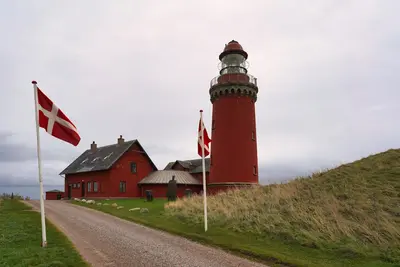
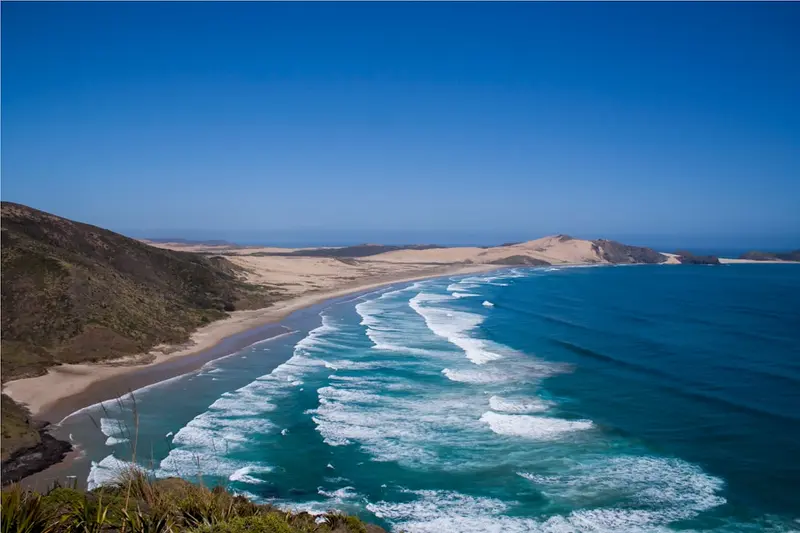
    Welcome to Midtjylland, Denmark's vibrant heart, where urban vibrancy, rich culture, and breathtaking natural landscapes combine to create an unforgettable experience. From the charming streets of Aarhus to the rolling hills of Mols Bjerge National Park and the endless coasts of the North Sea and Baltic Sea, this region offers a fascinating mix for every taste and invites you to explore its diversity.
    • Overview
    • Places in the region
    • Eat & drink
    • Culture
    • Nearby
    • Overview
    • Places in the region
    • Eat & drink
    • Culture
    • Nearby
    The region Midtjylland, Denmark's geographical center, is characterized by remarkable diversity, ranging from vibrant cities to extensive natural areas. In Aarhus, the country's second-largest city, you'll find significant cultural institutions such as the ARoS Art Museum and the Den Gamle By Open-Air Museum, which vividly present the history of Danish urban development. The landscapes include the Mols Bjerge National Park with its unique ice-age landscape and the Silkeborg lake district, which is ideal for canoeing. Culturally, the spectrum ranges from the Viking Age to traditional craft businesses, which you can discover in charming coastal towns like Ebeltoft. For nature lovers, a visit to Himmelbjerget near Ry is recommended, offering a wide view over the lake landscape. The months of May to September are ideal for outdoor activities and exploring the coastal sections of the North and Baltic Seas.

    Places in Region Midtjylland

    Hvide Sande

    Hvide Sande

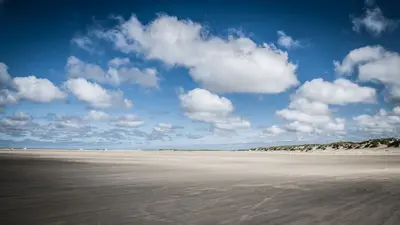
    Welcome to Hvide Sande, where the North Sea and Ringkøbing Fjord meet in a unique symbiosis! This charming fishing village on Holmsland Klit is a paradise for all who love the rugged sea, the wide beaches, and the relaxed atmosphere of an authentic Danish coastal town. Here, you can immerse yourself in a world of fresh fish, water sports, and unforgettable nature experiences.
    Ringkøbing

    Ringkøbing

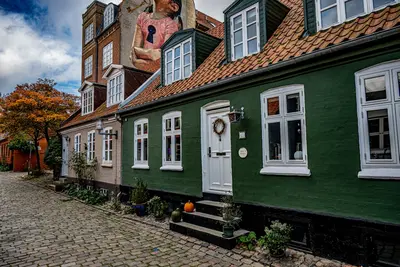
    Welcome to Ringkøbing, a charming old market town in West Jutland that will enchant you with its unique blend of history and nature. Here you'll discover not only picturesque alleys and well-preserved red-tiled roofs, but also the calming proximity to the vast Ringkøbing Fjord, which surrounds the town and lends it a truly special atmosphere.

    Sights in Region Midtjylland

    Discover the most important sights and attractions

    ARoS Aarhus Kunstmuseum

    The ARoS Aarhus Art Museum is one of Scandinavia's largest and most visited art museums and an architectural landmark of Aarhus. Opened in 2004, it houses an impressive collection of Danish and international art from the Golden Age to the present day. Across ten floors, you'll find a diverse selection of works encompassing both classical and experimental art forms.An absolute highlight is the installation "Your rainbow panorama" by Olafur Eliasson, which sits as a circular, glazed walkway on the museum's roof. From here, you'll enjoy a unique 360-degree view over Aarhus, filtered through the spectral colors of the rainbow – a fascinating sensory experience and an excellent photo opportunity. In the basement, you'll find the "9 Spaces," a series of galleries often presenting immersive and expansive installations.To avoid crowds, especially in "Your rainbow panorama", it's recommended to visit the museum on weekday mornings. Plan ample time to explore the various levels and temporary exhibitions at your leisure.
    Open in Google Maps

    Den Gamle By (Das Alte Stadtmuseum)

    Den Gamle By (The Old Town Museum) in Aarhus is a unique open-air museum that offers a deep insight into Danish urban history from the 17th to the 20th century. You wander through authentically reconstructed city quarters featuring over 75 historical buildings, relocated here from various parts of Denmark. Originally founded in 1909, it was the first of its kind worldwide to focus on urban culture. Here, you can explore merchant houses, workshops, apartments, and even an entire street from the 1970s. Many of the buildings are furnished with original furniture and objects, and on some days, actors in historical costumes bring the scenes to life, making you feel as if you're stepping into another era. Particularly impressive is the attention to detail, making the everyday life of past eras tangible. Practical Tip: To avoid crowds and fully enjoy the atmosphere in peace, it's best to visit Den Gamle By on weekdays outside of peak season or right after opening. For particularly atmospheric photos of the historical alleys, early morning is recommended. Plan at least half a day to fully experience the various epochs and exhibitions.
    Open in Google Maps

    Moesgaard Museum

    The Moesgaard Museum, located south of Aarhus in the Region Midtjylland, is an outstanding example of modern museum architecture and a centre for archaeology and ethnography. Here you will find an impressive depiction of human history, from the Stone Age to the Viking Age, with a special focus on Denmark. The building itself, designed by Henning Larsen Architects, is an experience: its sloping roofs are accessible and offer panoramic views over the surrounding landscape and Aarhus Bay.Inside, you'll embark on a chronological journey through the past. A central exhibit is the Grauballe Man, one of the world's best-preserved bog bodies, offering you a direct insight into life over 2000 years ago. The exhibitions are designed to be interactive and multimedia-rich, bringing history to life. In addition to archaeological finds, the museum also houses ethnographic collections that illuminate cultures from around the world.Practical Tip: To avoid the crowds and fully enjoy the tranquility of the exhibitions, a weekday visit is recommended, ideally right after opening. Use the roofscape not just for the views, but also for unique photo opportunities that blend architecture and nature. Plan enough time, as the museum and its surroundings offer much to discover.
    Open in Google Maps

    Mols Bjerge Nationalpark

    The Mols Bjerge National Park in the Region Midtjylland is a unique Danish landscape, significantly shaped by the last Ice Age. Here you'll find a hilly moraine landscape with vast heathlands, forests, and coastal stretches, home to remarkable biodiversity. The distinctive hills and deep valleys bear witness to the immense forces of the glaciers that shaped this region over 10,000 years ago.Exploring the park, you will encounter numerous hiking and cycling paths that lead to breathtaking viewpoints. Particularly recommended is the summit of Agri Bavnehøj, from which you can enjoy panoramic views over the entire Djursland peninsula and the surrounding bays. The cultural significance of the park also lies in its prehistoric burial mounds, which point to a long history of settlement.Our tip: Visit the park in spring or autumn, when nature is in full bloom or displays warm colours, and visitor numbers are lower. For undisturbed nature experiences, we recommend the early morning hours. Please stay on the marked paths to protect the sensitive flora and fauna.
    Open in Google Maps

    ARoS Aarhus Kunstmuseum

    The ARoS Aarhus Art Museum is one of Scandinavia's largest and most visited art museums and a central cultural hub in Aarhus. Opened in 2004, it presents across nine floors an impressive collection of Danish art from the Golden Age to the present, as well as international contemporary art. The museum's architecture, designed by Schmidt Hammer Lassen Architects, is itself a work of art and defines the cityscape. An absolute highlight is the walk-through installation "Your Rainbow Panorama" by Olafur Eliasson on the roof. This 150-meter-long, circular walkway of colored glass offers you a unique perspective on Aarhus and the surrounding landscape, constantly changing with the light. The permanent collection includes works by artists such as Per Kirkeby and Michael Kvium, complemented by temporary exhibitions that often address socially relevant themes. Practical Tip: Visit the museum right after opening to experience "Your Rainbow Panorama" in peace, before the largest crowds arrive. For impressive photos of the city through the colored panes, late afternoon is ideal, when the light softens and the city begins to glow.
    Open in Google Maps

    Den Gamle By (Das Alte Stadtmuseum)

    Den Gamle By, the Old Town Museum in Aarhus, is a unique open-air museum that vividly brings Danish urban history to life for you. Here, you'll wander through three distinct time periods: a town from 1900, a district from the 1970s, and an area representing the late 19th century. Originally founded in 1909 to preserve a single merchant's house, the museum steadily grew by relocating and rebuilding historical buildings from all over Denmark.You'll find over 75 historic buildings here, including residential houses, shops, workshops, and a post office, all authentically furnished. Actors in historical costumes bring the scenes to life and offer you insights into the daily life of bygone eras. Particularly fascinating is the contrast between the narrow alleys of the 18th century and the functional apartments of the 1970s. This museum offers an authentic journey through time and is an important cultural heritage of Denmark.Practical Tip: To avoid the crowds and enjoy the atmosphere in peace, it's best to visit Den Gamle By on weekdays outside Danish school holidays. Plan at least half a day to explore all areas thoroughly. For a special experience, you should visit the bakery and try the traditional baked goods.
    Open in Google Maps

    Restaurants & Cafes

    Culture, Art & History in Midtjylland

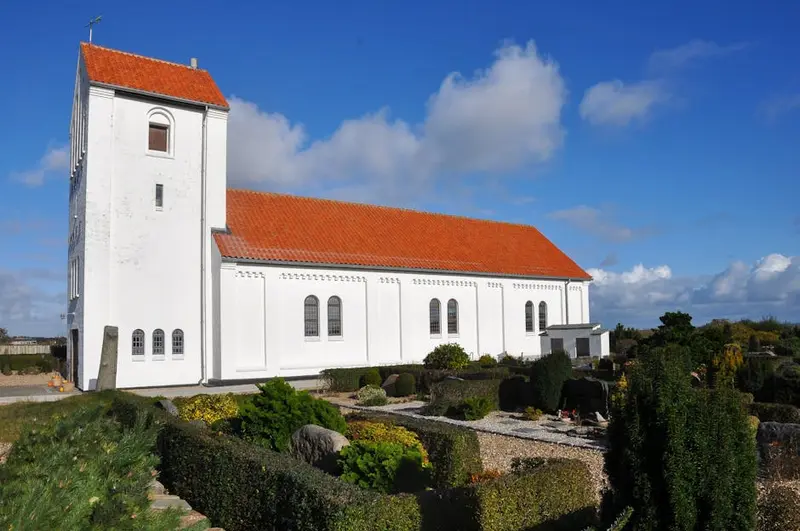
    Midtjylland boasts a deeply rooted history, with origins stretching back to the Viking Age. The region was crucial in shaping the Danish kingdom, as impressively attested by the Jelling Monuments, a UNESCO World Heritage site, marking Denmark's Christianization.Midtjylland's architecture spans from the Romanesque and Gothic styles of medieval churches, like the Aarhus Domkirke, to the well-preserved half-timbered houses in historic towns such as Ebeltoft. This variety illustrates the evolution of Danish building styles over centuries, including examples of Danish Modernism.The contemporary art scene is dynamic, with the ARoS Aarhus Kunstmuseum as a central hub for modern and contemporary works. Additionally, the region maintains traditional crafts and customs, kept alive in local museums like the open-air museum Den Gamle By and at events, reflecting Denmark's cultural heritage.

    Locations nearby

    These places are nearby — perfect for additional days or a day trip.

    Aarhus

    Aarhus

    Aarhus, Denmark's second-largest city, presents itself as a dynamic cultural hub, blending historical charm with modern architecture. Here you'll find the renowned ARoS Aarhus Kunstmuseum with its iconic "Your rainbow panorama" and the open-air museum Den Gamle By, bringing Danish urban history to life. Stroll through Latinerkvarteret, the city's oldest quarter, surrounded by cobblestone streets, unique boutiques, and cozy cafes. The ultra-modern cultural center Dokk1 by the harbor and the architecturally stunning Moesgaard Museum offer further cultural insights into prehistoric times. The city thrives on its university atmosphere, reflected in a vibrant culinary scene. Ideally, plan your visit in spring or autumn to enjoy the sights without the biggest tourist crowds. A stroll along the river Å through the Åboulevarden district reveals many nice restaurants and bars for the evening.
    Østjylland (East Jutland)

    Østjylland (East Jutland)

    East Jutland in Denmark captivates with a fascinating mix of urban flair, rich history, and picturesque nature. From the vibrant cultural metropolis of Aarhus to the rolling hills and idyllic coastal landscapes of the Djursland peninsula, the region offers unforgettable experiences for every taste and is considered the cultural heart of Jutland.
    Latinerkvarteret (The Latin Quarter)

    Latinerkvarteret (The Latin Quarter)

    The oldest quarter of Aarhus enchants with its cobblestone streets, colorful half-timbered houses, small boutiques, and cozy cafés, which invite you to stroll and linger.
    Aarhus Ø (The Harbor District)

    Aarhus Ø (The Harbor District)

    The futuristic harbor district represents modern Aarhus with its bold architecture, the impressive cultural center Dokk1, and a lively waterfront promenade that invites you to take a stroll.
    Marselisborg & Dyrehaven (Deer Park)

    Marselisborg & Dyrehaven (Deer Park)

    This vast green belt south of the city center offers the royal Marselisborg Castle, extensive forests, and the popular deer park with fallow deer and mouflons, an ideal backdrop for relaxation and nature.