Fernweh: Home
    ExploreTravel GuidesPlan a tripMy tripLast visited
    de|en
    All Places & RegionsAll highlightsAbout FernwehFAQPrivacy PolicyImprint
    ExploreTravel GuidesPlan a tripMy tripLast visited
    • Overview
    • Places in the region
    • Eat & drink
    • Recommendations
    • Food culture
    • Culture
    • Getting around
    • Round trips
    • Nearby
    Skagen

    Denmark

    Skagen

    RegionNatureBeachCultureFor Families

    Skagen is located at the northern tip of Denmark, where Skagerrak and Kattegat converge at the Grenen spit. The town is known for its yellow houses with red roofs and the painters who worked here in the late 19th century.

    by Felix Gillen

    1. Home
    2. Destinations
    3. Denmark
    4. North Jutland
    5. Skagen
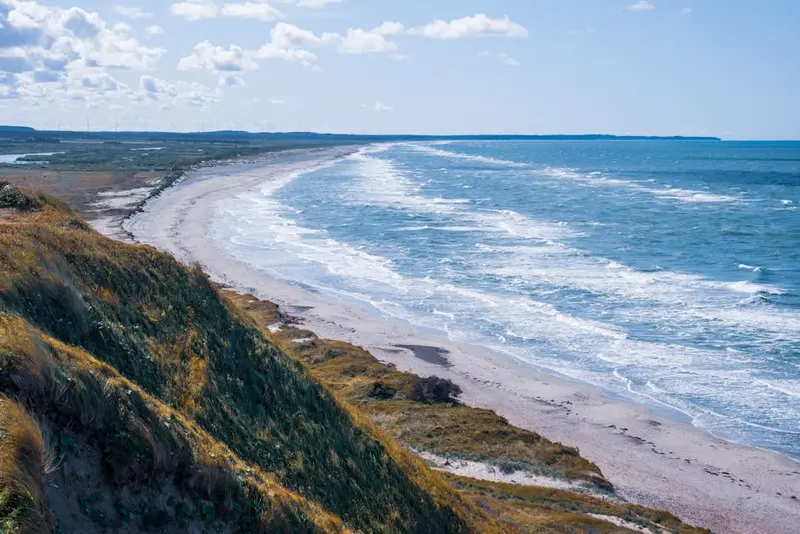
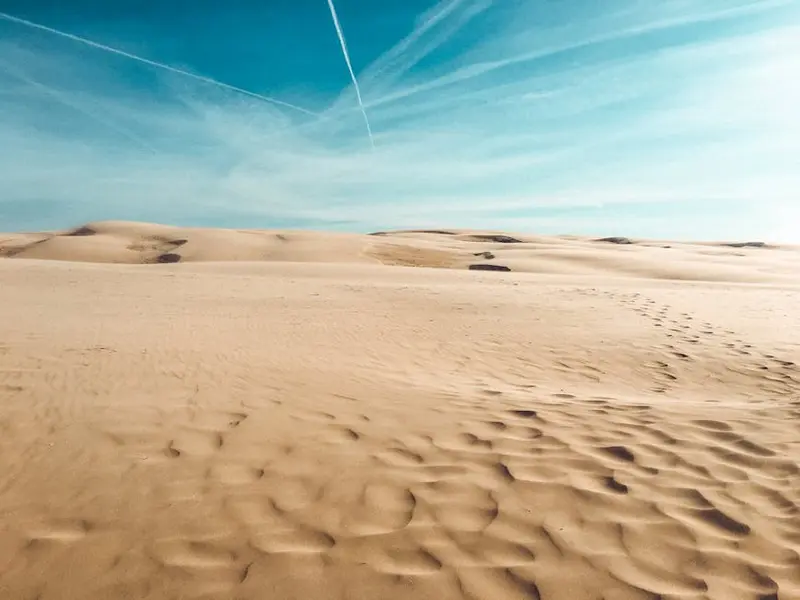
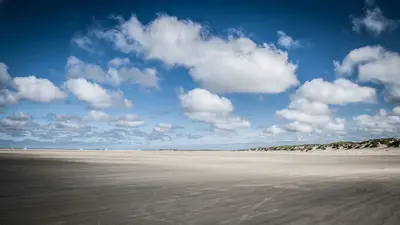
    Skagen is located at the northern tip of Denmark, where Skagerrak and Kattegat converge at the Grenen spit. The town is known for its yellow houses with red roofs and the painters who worked here in the late 19th century. All around are beaches, dunes, the sand-covered church, and the migrating dune Råbjerg Mile.
    Skagen, a small town of over 7,000, hosts one of Denmark's largest fishing ports. Station, pedestrian zone, harbor, and Skagen Painters' museums are walkable. Grenen and the Grey Lighthouse are 4 km away; the Sand-Covered Church and Råbjerg Mile are reached by bike or car. West of town, Gammel Skagen is quieter, with a sunset beach. Summer is busy; spring and autumn are calmer.

    More places in Skagen

    Grenen

    Grenen

    Grenen is the narrow sand spit at the northern tip of Denmark, approximately four kilometers north of Skagen. At its tip, the waves of the Skagerrak and Kattegat meet head-on. Along the way there, the Grey Lighthouse and World War II bunkers are located in the dunes.

    Sights in Skagen

    Discover the most important sights and attractions

    Skagen Grey Tower

    Skagen Grey Tower

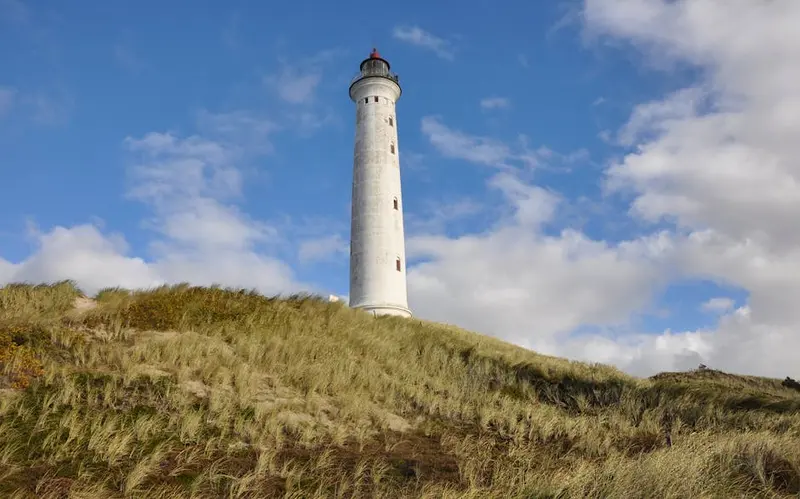
    The Grey Lighthouse from 1858 is located just before the Grenen headland. Ascend around 200 steps to the platform for views over dunes and the two seas. Inside, an exhibition showcases migratory birds and the headland's nature.
    Open in Google Maps
    Skagen Kirke

    Skagen Kirke

    The central City Church was built in 1841 based on C. F. Hansen's plans, after the old church was abandoned in 1795 due to sand drift. Ulrik Plesner rebuilt it in 1909 and 1910, with Thorvald Bindesbøll designing the interior ornaments.
    Open in Google Maps
    Skagens Havn Østmole

    Skagens Havn Østmole

    The East Pier at the harbor is a promenade with views of arriving and departing cutters and cruise ships. At the end, there are tables, and you can also fish there. Bring your own provisions.
    Open in Google Maps
    The Sand-Buried Church

    The Sand-Buried Church

    Only the white tower of the medieval Saint Lawrence Church, southwest of Skagen, still rises from the dunes. Drifting sand rendered the church unusable; it was abandoned in 1795 and its nave was demolished. During the summer season, you can climb the tower for an entrance fee; tickets are available at the kiosk by the car park. From the car park, it's about a 400-meter walk.
    Open in Google Maps
    Museum

    Skagens Museum

    The art museum showcases works by the Skagen Painters like Anna and Michael Ancher, P. S. Krøyer, and Marie Krøyer. The halls are bright and easy to navigate; allow about an hour. There’s a café at the back, and a combi-ticket is also valid for Anchers Hus.
    Open in Google Maps
    Ancher Home
    Museum

    Ancher Home

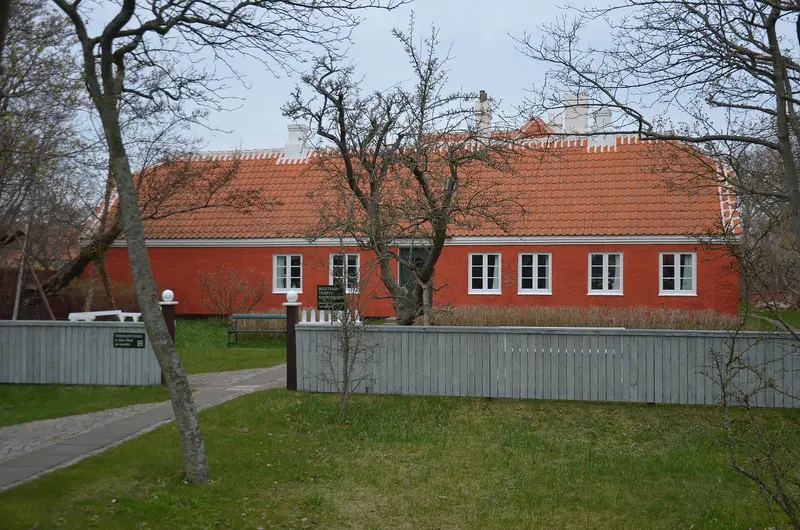
    The house of Anna and Michael Ancher has been largely preserved in its original state, including furniture, pictures, and everyday objects. You'll gain a good insight into how the painter family lived. A small garden is also included.
    Open in Google Maps

    Dining & Drinks

    1

    Skagen Bryghus

    Brewery with a restaurant in the center. House beers, also as a tasting flight, plus herring, fish, burgers, and salads. The sheltered garden often hosts live music with free entry.
    Show on Google Maps
    2

    Apéro

    French-inspired bistro & Champagne bar in the pedestrian zone. Croque Monsieur, rillettes, mussels, plus wine, macarons, croissants. Portions small.
    Show on Google Maps
    3

    Spisehuset Skagen

    Casual spot by the harbor, order and pay at the counter. Fish and Chips with homemade remoulade, with Danish daily specials at fair prices.
    Show on Google Maps
    4

    Skagen Fiskerestaurant

    Large fish restaurant by the harbour, with sand on the floor inside. Seafood platters, fish soup and fish and chips. Busy in summer, waits are frequent.
    Show on Google Maps
    5

    Lasses Pølsevogn

    Permanent hot dog stand in the center with many varieties of Danish hot dogs, including the Fransk Hotdog in a baguette. Cheap and fast.
    Show on Google Maps
    6

    Okê Restaurant

    Gourmet restaurant in Ruths Hotel in Gammel Skagen with a tasting menu featuring many local ingredients, with wine or non-alcoholic pairings. Open only on select evenings, reservations required.
    Show on Google Maps

    Food & Drink

    Skagen eats fish, right by the harbour. The row of restaurants along the basin is the town's summer hub.

    Harbour Restaurants

    Restaurants and snack bars line the harbor basin, offering views of the cutters. Shrimp, fried plaice and fish soup are on almost every menu, often eaten at long tables outside.

    Smokehouses

    Several smokehouses sell mackerel, salmon, and herring fresh from the oven. The perfect takeaway for the beach, accompanied by bread from the local baker.

    Cafes on Sankt Laurentii Vej

    In the pedestrian zone between the train station and harbour, you'll find cafés and patisseries in the yellow houses. Busy in the afternoons; in high summer, be early.

    The Artist Colony and the Light of the Cape

    Skagen was a remote, poor fishing village until the 19th century. From the 1870s, painters arrived, drawn by its light and the fishermen's lives. Anna and Michael Ancher lived permanently there; P. S. Krøyer spent many summers here. Their paintings of fishermen on the beach and social gatherings hang today in Skagens Museum; the Anchers' home is now a museum.Ochre-yellow houses, red tiled roofs, and white eaves still define Skagen's townscape. Southwest of town, the sand-covered church shows what drifting sand could do. Of the medieval church, only its tower protrudes from the dune; it was abandoned in 1795.

    On-site exploring

    Skagen lies at the end of the railway line from Frederikshavn, the Skagensbanen. The trip takes just over 35 minutes and is part of the Danish rail network, so you won't need a car to get there.The town itself is small and flat; everything important is within walking distance between the station, harbour, and beach. For destinations in the surrounding area, a bicycle is the best choice: continuous bike paths lead to Grenen, the sand-covered church, and the beaches, and rental bikes are readily available in town.You can reach the tip of Grenen on foot in about 30 minutes through the sand or with the Sandormen, a tractor bus that shuttles during the season. By car, you can only go as far as the car park; the last one and a half kilometres are closed.

    Round trips through this region

    Jutland West Coast

    Jutland West Coast

    You drive from the island of Rømø on the North Sea coast north via Hvide Sande and Ringkøbing to Thy National Park and further to Skagen. Most stages take less than two hours; only from Thy to Skagen will you be traveling for about two and a half hours.

    13 Days
    5 stops
    North Jutland & Skagen

    North Jutland & Skagen

    From Aalborg, you drive to the west coast to Løkken and from there, take a day trip to the Rubjerg Knude lighthouse in the shifting dunes. Afterwards, continue via Hirtshals to Skagen at Denmark's northern tip; the stages rarely last longer than an hour.

    10 Days
    4 stops

    Nearby

    Grenen

    Grenen

    Grenen is the narrow sand spit at the northern tip of Denmark, approximately four kilometers north of Skagen. At its tip, the waves of the Skagerrak and Kattegat meet head-on. Along the way there, the Grey Lighthouse and World War II bunkers are located in the dunes.
    Hirtshals

    Hirtshals

    Hirtshals is a port town on Jutland's north coast, primarily known as a ferry port to Norway. Besides the ferries, fishing trawlers fill the harbour; the town still thrives on fishing. For those who don't just pass through, there's the North Sea Aquarium, a lighthouse with a view, and a large bunker complex nestled in the dunes.
    Rubjerg Knude

    Rubjerg Knude

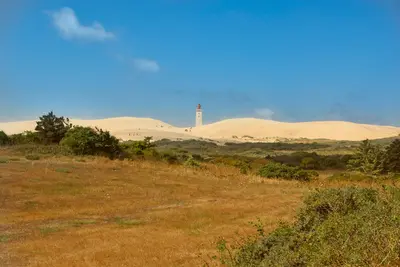
    On North Jutland's North Sea coast, the Rubjerg Knude Lighthouse sits on a 60m cliff amid a migrating dune. Due to sea erosion, the tower was relocated roughly 70 meters inland in 2019. Up top, enjoy wide views of the dune and North Sea.
    Marstrand

    Marstrand

    Marstrand is a small island town north of Gothenburg, characterized by its maritime history and Carlsten Fortress. You reach the car-free island of Marstrandsön from Koön via a ferry that runs 24/7 and takes only about two minutes. The Carlsten Fortress, once a defensive fortification and prison, towers over the town and offers expansive views of the archipelago. Well-preserved wooden houses line the streets of the old town, and the harbour is a renowned sailing centre. In the 18th century, Marstrand was a free port, and in the 19th century, it became a popular seaside resort. Outside the peak season in July, it is significantly quieter. An approximately 5 km circular path leads around the island, past cliffs and swimming spots.
    Løkken

    Løkken

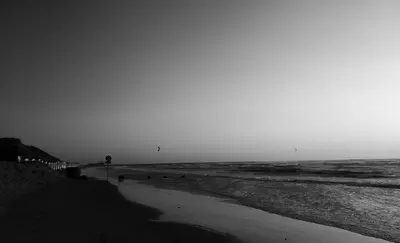
    Løkken is one of the best-known seaside resorts on Jutland's North Sea coast. Its wide sandy beach with white bathing houses stretches for miles, and cars are allowed on the sand. In summer, the town is crowded and lively; outside the season, it is quiet. Fishing cutters are still pulled directly onto the beach today.

    Sources & method

    • Photos: Wikimedia Commons, Unsplash. Each photo carries its credit.
    • Place data such as addresses and ratings comes from Google Maps.
    • The content is based on web research from public, traceable sources. How the content is made · The role of AI