Thailand
Nordthailand
Region
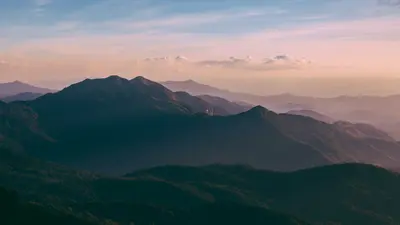
Northern Thailand combines mountain landscapes, centuries-old Lanna culture, and a dense temple landscape.
by Felix Gillen
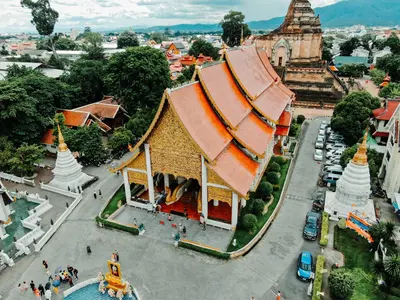
Northern Thailand combines mountain landscapes, centuries-old Lanna culture, and a dense temple landscape. In terms of climate, cuisine, and spoken language, the region differs significantly from the rest of the country – the Northern Thai dialect, Kam Mueang, is not easily understood by Central Thai speakers.Here you'll find cities with historic old towns and monastic complexes, interspersed with extensive national parks featuring mountain forests and hill tribe villages in the highlands. Handicrafts, weaving, and markets play a larger role than beach tourism.The cool season from November to February is considered the most pleasant time to travel; in the highlands, temperatures drop noticeably at night. From March through April, the region regularly experiences smoke pollution from agricultural fires – during these weeks, visibility suffers, and air quality can be poor.
Northern Thailand stretches from the plains around Sukhothai to the Golden Triangle on the Mekong. Chiang Mai is its hub, with an airport, train connections, and most accommodations. From there, you can reach Chiang Rai and Pai in three to four hours, and Lampang in about an hour and a half. Further afield are Mae Hong Son, bordering Myanmar, and Nan, in the east of the region. The region is ideal for bus or rental car tours along winding mountain roads, for hikes in national parks like Doi Inthanon, and for cooking classes and temple visits in the ancient Lanna cities.
More places in Nordthailand

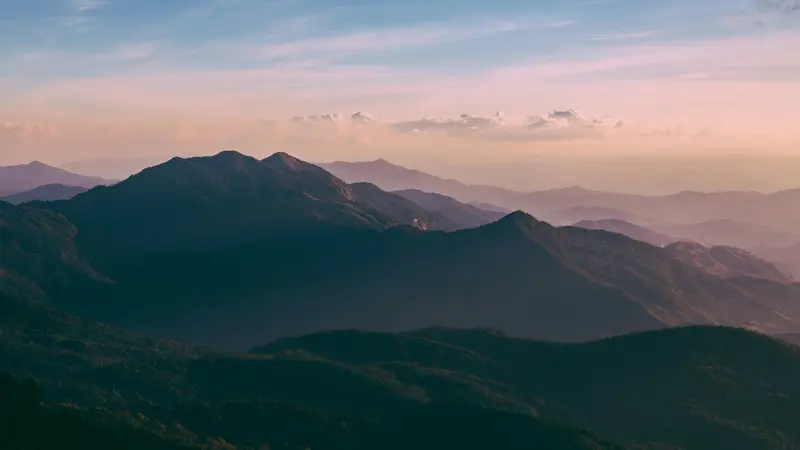
Mae Hong Son, often called the "City of Three Mists", is located in the mountains of Northern Thailand near the Burmese border. Here, you'll find a relaxed atmosphere, shaped by the culture of the Shan (Tai Yai), which is reflected in its architecture and way of life.The dominant landmark is the temple Wat Phra That Doi Kong Mu, which sits on a hill above the city and offers panoramic views of the valley and Jong Kham Lake. On the lake's shore lie the twin monasteries Wat Jong Kham and Wat Jong Klang with their Burmese-inspired wihans and wood carvings.In the evenings, the night market on the lakeshore comes alive, where you'll find local specialties and handicrafts. The cool season from November to February is considered the best time to visit: pleasant temperatures and morning mist over the valley. Bicycles or scooters are suitable for excursions into the surrounding area, and several nearby mountain villages offer insights into the way of life of the local hill tribes.

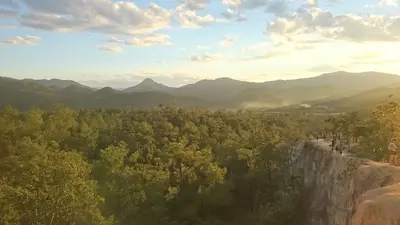
Pai is a small town in the mountains of Northern Thailand, known for its relaxed atmosphere and the valley landscape. Northern Thai daily life meets a vibrant backpacker scene here.Among the most famous attractions are the Pai Canyon with its narrow earthen ridges and the Wat Phra That Mae Yen, to whose white Buddha 353 steps lead up. The Pam-Bok Waterfall and the hot springs in the area can also be combined well into a single day.In the evenings, the main street transforms into a Walking Street with street food and stalls. The cool dry season from November to February is the most pleasant time to visit. You can explore the surroundings most flexibly by scooter, but the winding mountain road to Chiang Mai requires driving experience.

The Sukhothai Historical Park preserves the remains of the first capital of the Sukhothai Kingdom, which flourished in the 13th and 14th centuries. UNESCO inscribed the site, along with the historical cities of Si Satchanalai and Kamphaeng Phet, on the World Heritage List.The site is divided into several zones. In the center, within the old city walls and moats, stands Wat Mahathat with its lotus-bud-shaped chedi; nearby are Wat Si Sawai with three Khmer-style prangs and Wat Sa Si on an island in the pond. To the north, Wat Si Chum houses the mighty seated Buddha Phra Achana within a narrow masonry shaft.As the zones are spread out, most visitors explore the park by *bicycle*; rentals are available at the entrances. Mornings and late afternoons are much more pleasant than the midday heat. The Ramkhamhaeng National Museum on the park's edge historically contextualizes the finds.
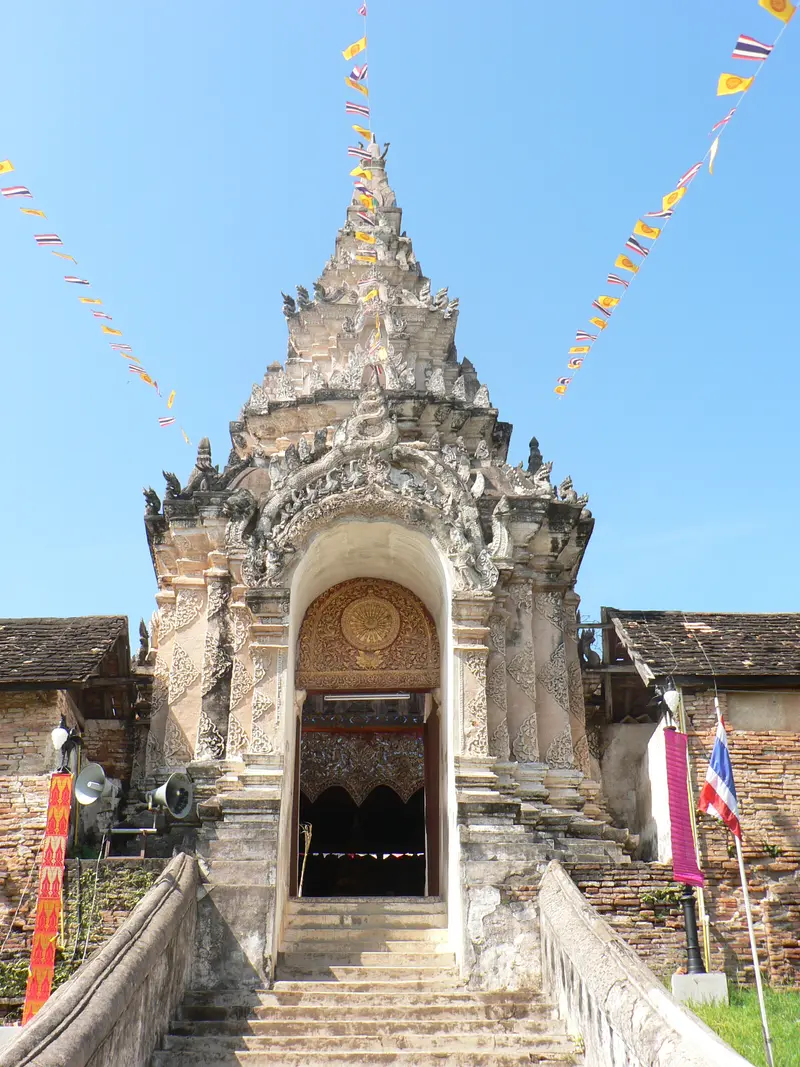
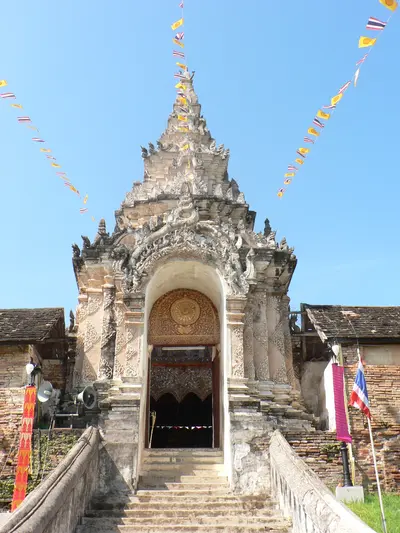
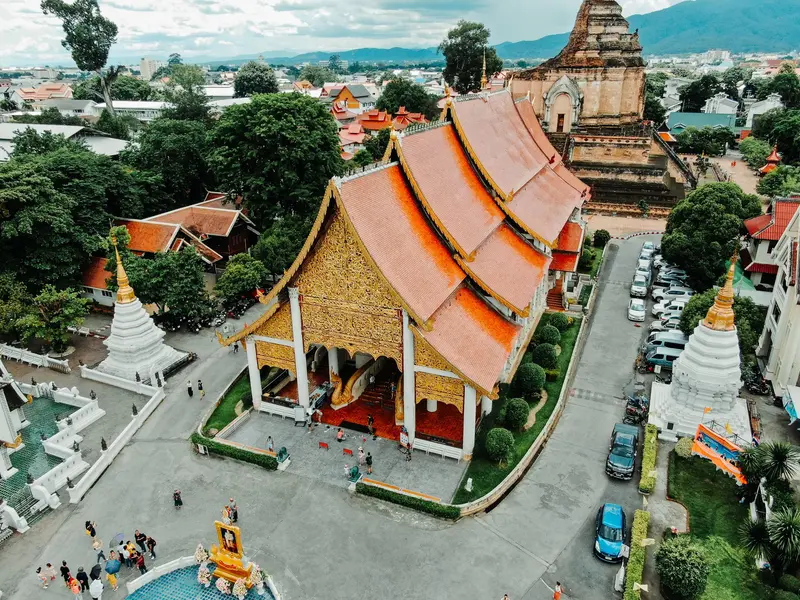
Lampang is located approximately 100 kilometres southeast of Chiang Mai on the Wang River. The city is known for its horse-drawn carriages, which have been traversing its streets since 1916, and for its teakwood shophouses from the era when Lampang was a centre for the timber trade. Several Burmese-style temples also date from this period. Approximately 15 kilometres southwest lies Wat Phra That Lampang Luang, one of the most important Lanna temple complexes.
Sights in Nordthailand
Discover the most important sights and attractions
Place of Worship
Cave Temple Tham Chiang Dao
Approximately 70 kilometers north of Chiang Mai, a cave system extends beneath the limestone mountain Doi Luang Chiang Dao. You can explore two electrically lit caves, featuring Buddha figures and stalactites, on your own. However, the unlit passages beyond them require a local guide and a gas lamp; in some sections, you'll need to crawl through narrow openings.
Attraction
Mae Salong (Santikhiri)
The mountain village, at a good 1,100 meters, is about 80 kilometers from Chiang Rai. In 1961, about 4,000 soldiers of the 93rd Division of the Chinese Kuomintang settled here, having fled Yunnan via Myanmar after 1950. To this day, much Yunnan Chinese is spoken, and Oolong tea, having replaced opium cultivation, grows on the slopes. In the tea rooms, you can taste it directly.
Dining and Drinks
Northern Thai cuisine is milder and saltier than that of the South and largely avoids coconut milk. As in Isan, the base is sticky rice, accompanied by chili pastes for dipping, stewed curries, and abundant vegetables and herbs from the mountains. Burmese and Shan influence is evident, for example in Khao Soi or in curries featuring ginger and turmeric. Meals are enjoyed in markets, at street food stalls, and at Khantoke tables, where all dishes are served simultaneously on a round tray.
Khao Soi
The North's most famous dish: Egg noodles in a coconut milk curry, topped with a handful of crispy fried noodles, shallots, pickled mustard greens, and lime. The version with chicken drumstick is the most common. Its origin lies in Muslim Yunnan cuisine, which is why you'll often find it near mosques.
Nam Prik Ong and Nam Prik Num
Two chili pastes, served with steamed vegetables, crispy pork rind, and sticky rice. Nam Prik Ong is cooked with tomatoes and minced pork and is mild, while Nam Prik Num is made from roasted green chilies and has a spicier, smokier profile.
Sai Ua
Chunky pork sausage grilled with lemongrass, kaffir lime leaves, turmeric, and red curry paste for its vibrant colour. Eaten sliced with sticky rice, it's sold in every Northern market, often beside crispy pork crackling.
Gaeng Hang Le
A braised pork curry with ginger, tamarind, peanuts, and garlic, originating from a Burmese recipe. It is slow-cooked, is mild and subtly sweet, and is one of the dishes served at festivals and in monasteries.
Coffee and Tea of the Mountains
In the highlands around Doi Chang, Doi Tung, and Mae Salong, Arabica coffee is cultivated, mostly on lands developed through opium substitution programs. In Mae Salong, Oolong tea is also grown, established by immigrant families from Yunnan. You can find both directly at the farms and in the cafés of Chiang Mai.
Best Time to Visit
When is the best time for your trip?
23–25°C·10–50 mm(little rain)
From November to February, it is dry and pleasantly warm during the day. In the mountains, temperatures drop significantly at night, at Doi Inthanon sometimes close to zero degrees. From March to April, it is hot, and smoke from field and forest fires pollutes the air.
Averages 1991-2020 for Chiang Mai. In higher regions like Doi Inthanon, Pai, or Mae Hong Son, nights are significantly cooler.
Seasons
Jan
Feb
Mar
Apr
May
Jun
Jul
Aug
Sep
Oct
Nov
Dec
Cool dry season
Hot time, often smoke
Wet spell
Best Time to Visit
▶Show detailed monthly data
| Month | Temp (°C) | Rain (mm) | Sun (h) |
|---|---|---|---|
| January | 22.6 | 10 | 9.0 |
| February | 24.6 | 10 | 9.0 |
| March | 27.5 | 20 | 9.5 |
| April | 29.8 | 55 | 9.5 |
| May | 29.3 | 155 | 6.5 |
| June | 28.7 | 115 | 5.0 |
| July | 28.0 | 155 | 4.0 |
| August | 27.7 | 225 | 4.0 |
| September | 27.7 | 200 | 5.0 |
| October | 27.0 | 120 | 6.5 |
| November | 25.1 | 50 | 7.0 |
| December | 22.8 | 20 | 8.0 |
Culture and History
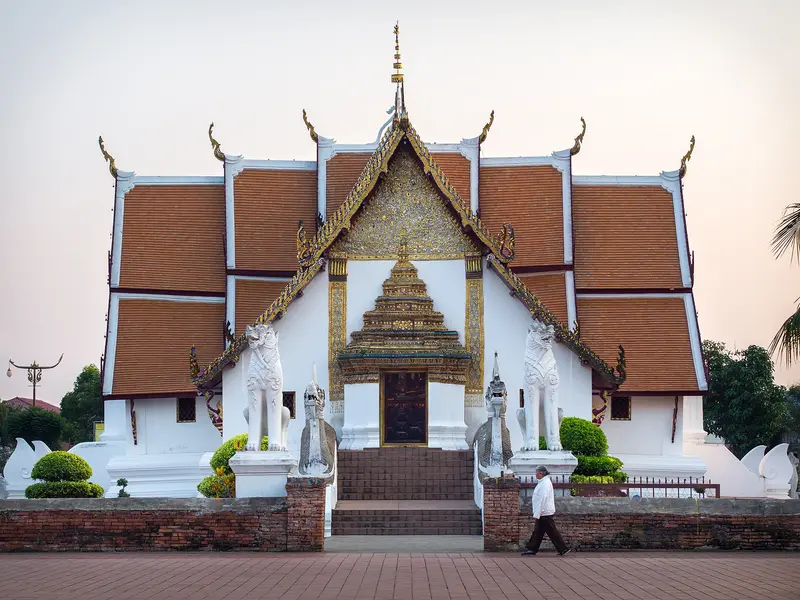
Nordthailand war jahrhundertelang ein eigenes Reich. Lan Na, das Land der Millionen Reisfelder, entstand Ende des 13. Jahrhunderts mit Chiang Mai als Hauptstadt und blieb bis ins 19. Jahrhundert weitgehend selbstständig, unterbrochen von zweihundert Jahren burmesischer Herrschaft. Erst spät wurde die Region in den siamesischen Staat eingegliedert. Diese Geschichte ist überall ablesbar: in den Tempeln mit ihren gestaffelten Ziegeldächern und geschnitzten Holzgiebeln, in den Stadtmauern und Wassergräben von Chiang Mai, Lampang und Chiang Saen, und in der Sprache.Kam Mueang, das Nordthailändische, wird zu Hause und auf Märkten weiter gesprochen und hat einen eigenen Tonfall und ein eigenes Alphabet, das noch in Tempelinschriften auftaucht. Der burmesische und Shan-Einfluss zeigt sich in Bauformen und in der Küche, besonders in Mae Hong Son und Lampang.Bergvölker leben in den höheren Lagen, darunter Karen, Hmong, Lahu, Akha, Lisu und Mien. Sie kamen zu unterschiedlichen Zeiten aus Myanmar, Laos und Südchina und haben eigene Sprachen, Textiltechniken und Religionen. Dorfbesuche sind verbreitet; achte darauf, ob sie über die Gemeinden selbst organisiert werden.Handwerk hat in der Region eine lange Tradition: Silber und Holzschnitzerei in San Kamphaeng, Keramik in Lampang, Papierschirme in Bo Sang, Baumwollweberei in Pasang und Textilien der Bergvölker auf den Märkten von Chiang Mai und Chiang Rai.Feste gliedern das Jahr. Zu Loi Krathong im November feiert Chiang Mai zusätzlich Yi Peng, bei dem Papierlaternen aufgelassen werden. Songkran im April fällt hier besonders lang aus, das Blumenfest in Chiang Mai auf den Februar.Buddhismus prägt den Alltag stärker als in vielen anderen Landesteilen. In den Waldklöstern des Nordens ist die strenge Meditationstradition beheimatet, und mehrere Klöster bieten Kurse in Englisch an.
Exploring locally
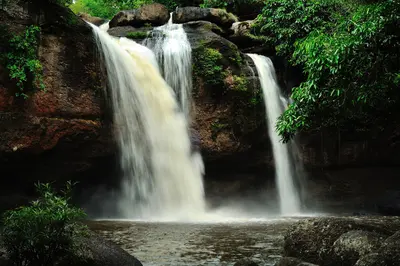
Northern Thailand consists of mountain ranges running north to south, with valley floors in between. Besides Chiang Mai, the region includes the provinces of Chiang Rai, Mae Hong Son, Lamphun, Lampang, Phrae, Nan, and Phayao. Chiang Mai is the transportation hub: flights from Bangkok take just over an hour, the overnight train around twelve to fourteen hours, and the bus about ten. Additional airports are located in Chiang Rai, Mae Hong Son, Nan, and Lampang.Between cities, you travel by bus or minivan. Chiang Mai–Chiang Rai takes three to four hours, Chiang Mai–Pai about three to four hours on a route with many hundreds of curves, Chiang Mai–Mae Hong Son six to eight hours depending on the route. If you want to drive the mountain roads yourself, rent a motorcycle or car in Chiang Mai; the classic loop via Pai, Mae Hong Son, and Mae Sariang covers around 600 kilometers and requires at least four days.In Chiang Mai, red Songthaews operate as shared taxis without a fixed schedule, along with Tuk-Tuks and ride-hailing apps. The Old City can be explored on foot.To mountain villages and national parks, narrow, winding roads lead. During the rainy season, some tracks are only passable with 4x4 vehicles, and landslides can occur.Border crossings to Laos are available at Chiang Khong via the Mekong, and to Myanmar at Mae Sai. Status can change, inform yourself before your trip.The best time to travel is between November and February: dry, mild during the day, and in the mountains, under ten degrees Celsius at night. Between late February and April, farmers and collectors burn fields and forests, often leading to thick smoke and poor air quality over the valleys – a period you should avoid if you are sensitive. The rainy season from June to October brings green rice terraces, powerful waterfalls, and clear air.