Fernweh: Home
    ExploreTravel GuidesPlan a tripMy tripLast visited
    de|en
    All Places & RegionsAll highlightsAbout FernwehFAQPrivacy PolicyImprint
    ExploreTravel GuidesPlan a tripMy tripLast visited
    • Why go
    • Highlights
    • Explore regions
    • Round trips
    • Local food
    • Good to know
    • Best time to visit
    • Travel advice
    Portugal

    Travel Guide Portugal

    Portugal packs Atlantic coast, wine regions, and historic cities into a compact area. Plus, the Madeira and Azoren island groups lie in the mid-Atlantic.

    by Felix Gillen

    Contents

    • Why go
    • Highlights
    • Explore regions
    • Round trips
    • Local food
    • Good to know
    • Best time to visit
    • Travel advice

    Why Go To Portugal?

    Portugal offers a wide variety of experiences over short distances: Lisbon and Porto with their old towns by the river, the wine terraces of the Douro Valley, the vastness of the Alentejo, and the rocky coast of the Algarve. The islands of Madeira and the Azores complement the mainland with subtropical hiking trails and volcanic landscapes. Many travelers also appreciate the comparatively moderate prices and the mild climate outside of peak summer.

    Where in Portugal?

    Pick a region. The highlights, road trips and places below follow your choice.
    Lisbon
    Highlight 1 of 5

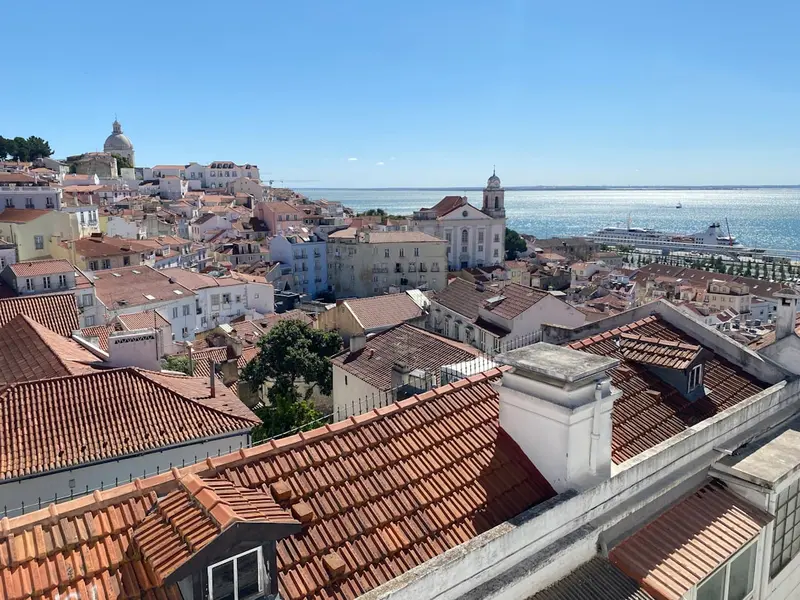
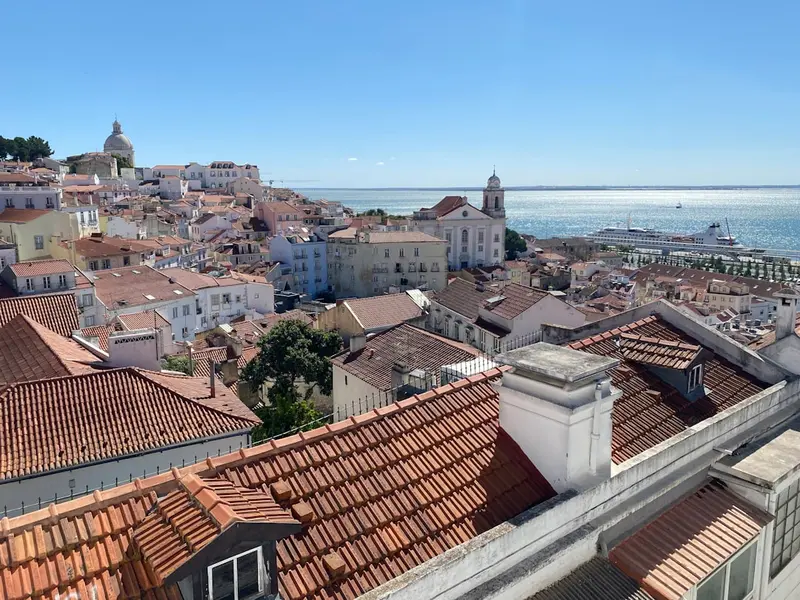
    Lisbon

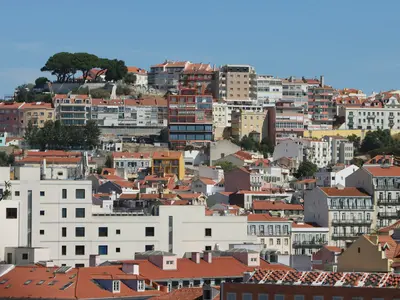
    Lisbon is situated on several hills on the north bank of the Tagus Estuary, a good 15 kilometers from the Atlantic.

    Discover
    Alfama
    Highlight 2 of 5

    Alfama

    The Alfama is Lisbon's oldest district and stretches steeply down from the castle hill to the Tejo. Its labyrinth of streets dates from Moorish times and withstood the 1755 earthquake because the district stands on solid rock.

    Discover
    Algarve
    Highlight 3 of 5

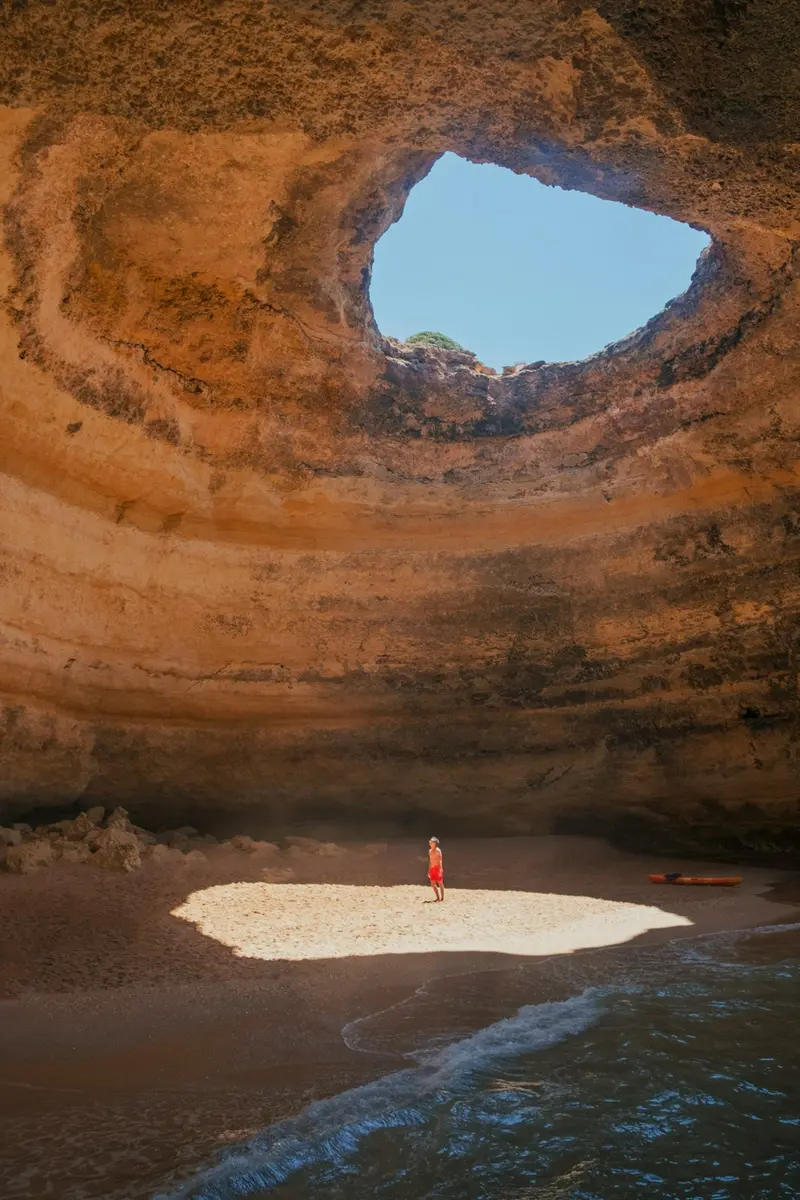
    Algarve

    The Algarve is Portugal's south coast and the country's most famous holiday destination. To the west, golden limestone cliffs, grottoes, and small coves define the scenery; to the east, flat sandy islands and the lagoons of the Ria Formosa.

    Faro, with its airport, is the gateway to the region. The rocky coast between Lagos and Albufeira is the most visited, featuring Ponta da Piedade, Praia da Marinha, and the Gruta de Benagil.

    Discover
    Belém
    Highlight 4 of 5

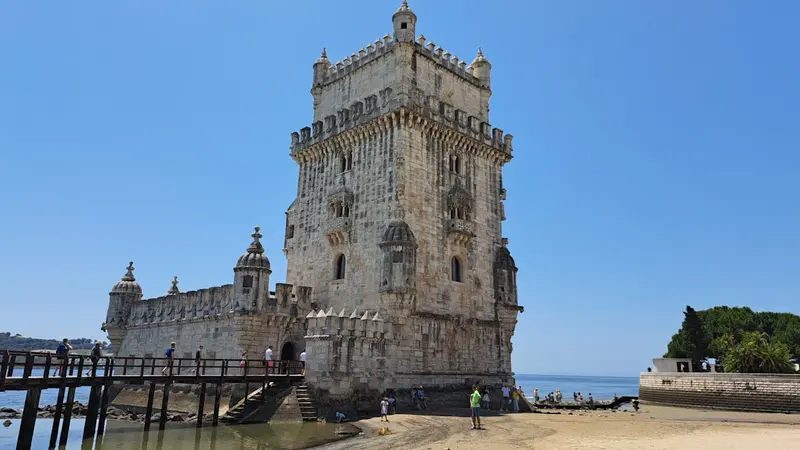
    Belém

    Belém lies six kilometres west of the Old Town on the Tagus, the departure point for discovery voyages in the 15th and 16th centuries.

    Discover
    Porto
    Highlight 5 of 5

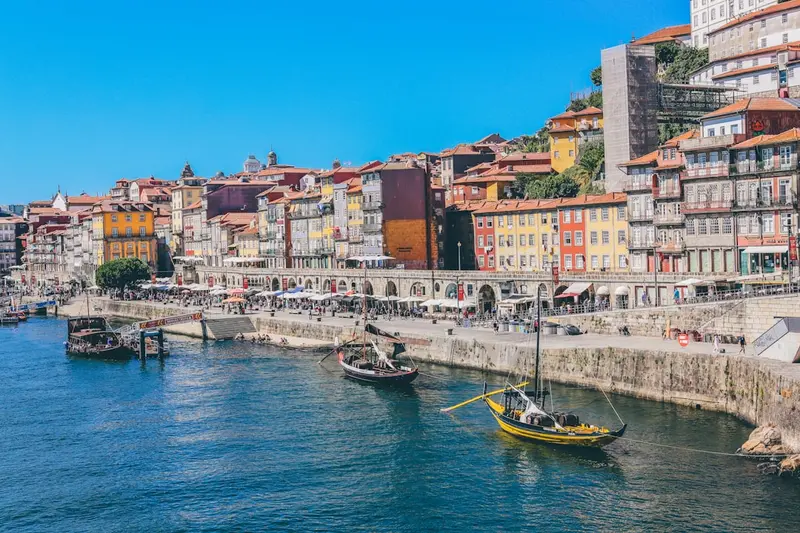
    Porto

    Porto is Portugal's second-largest city, on the steep banks of the Douro shortly before its mouth. Porto's Old Town, its Ribeira district, the Ponte Dom Luís I, and Serra do Pilar Monastery are UNESCO World Heritage since 1996.

    Discover

    How to plan your trip to Portugal

    From the guide to the road: here is what comes next.

    1. 1
      Sunrise over alpine peaks and a sea of clouds
      1234

      Round trip

      12 days · 4 stops

      Saved

      Pick a route

      Pick a ready-made one or save places and plan your own.

      Browse routes
    2. 2

      Trip to Portugal

      Live
      • 1Lisbon3 days
      • 2Alfama4 days
      • 3Algarve5 days
      Budget

      Plan your trip

      The planner sorts stops, days and budget. Plan together in real time.

      Go to My Trips
    3. 3
      9:41 No signal
      Portugal
      Available offline

      Use it on the road

      Download the guide to your phone and use it on site, even offline.

    Regions to Discover

    Explore the diverse regions of Portugal.
    Azores

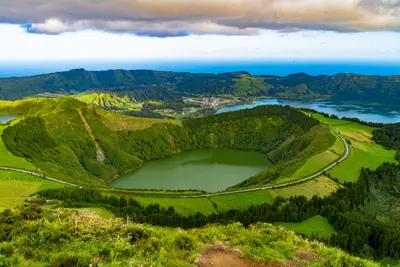
    Azores

    The Azores are a group of nine volcanic islands in the middle of the Atlantic, about 1,400 kilometers west of Lisbon. Crater lakes, hydrangea hedges, hot springs, pastures, and steep cliffs characterize the landscape. The islands are a destination for hiking, whale watching, and for quiet days away from large resorts.
    Madeira

    Madeira

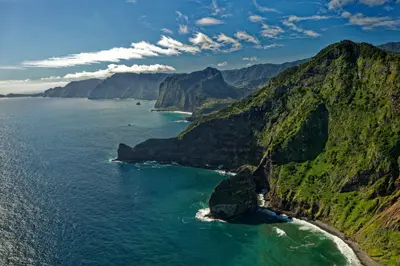
    Madeira is a volcanic island in the Atlantic, almost 1,000 kilometers southwest of Lisbon and a good 500 kilometers off the coast of Morocco. Steep mountains rising over 1,800 meters, laurel forests, irrigation channels (Levadas), and a rugged coastline characterize the island; the climate is mild all year round. The Autonomous Region also includes the small neighboring island of Porto Santo, with a long sandy beach.
    Alentejo

    Alentejo

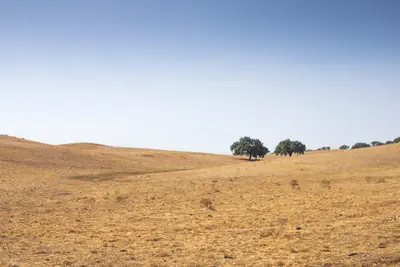
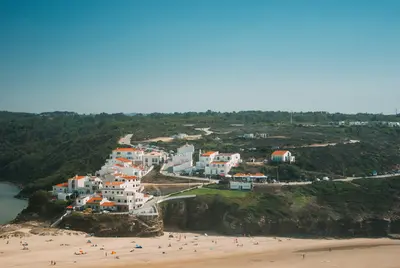
    The Alentejo occupies almost a third of Portugal and is its most sparsely populated. Vast plains of cork oaks and olive groves, hilltop white villages, border castles, and a wild Atlantic coast define the region.
    Algarve

    Algarve

    The Algarve is Portugal's south coast and the country's most famous holiday destination. To the west, golden limestone cliffs, grottoes, and small coves define the scenery; to the east, flat sandy islands and the lagoons of the Ria Formosa. Between them lie fishing villages, resorts, and a quiet, hilly hinterland.
    Beiras and Serra da Estrela

    Beiras and Serra da Estrela

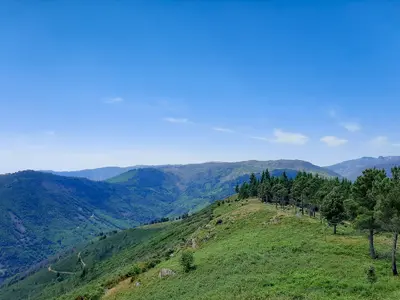
    The Serra da Estrela is the highest mountain range on the Portuguese mainland. Granite, glacial valleys, mountain lakes, and sheep pastures define the landscape, surrounded by granite cities like Guarda, Covilhã, and Belmonte.
    Centro

    Centro

    The Centro region stretches from the Aveiro Lagoon on the coast to the mountains at the Spanish border. Its focal point is the university city of Coimbra, complemented by Aveiro with its canals, the Roman ruins of Conímbriga, the Buçaco Forest, and the schist villages of the Serra da Lousã.
    Costa de Prata (Silver Coast)

    Costa de Prata (Silver Coast)

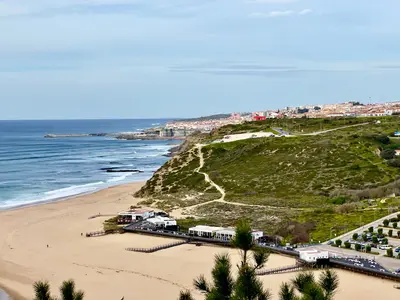
    The Costa de Prata, the Silver Coast, is the coastal stretch between Lisbon and Coimbra, encompassing the districts of Leiria and the western area around Caldas da Rainha. Here lie the walled town of Óbidos, the monasteries of Alcobaça and Batalha, both UNESCO World Heritage sites, the fishing and surfing town of Nazaré, the Peniche peninsula, and the pilgrimage site of Fátima in the hinterland.
    Lisbon Metropolitan Area

    Lisbon Metropolitan Area

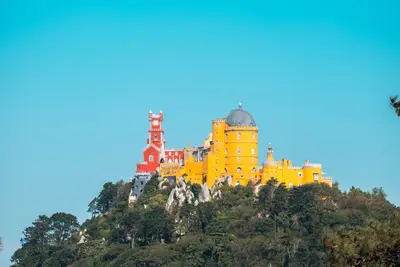
    The **Lisbon Metropolitan Area** comprises the capital and 17 surrounding municipalities on both sides of the Tagus estuary. Besides Lisbon's Old Town, it includes the Sintra Palace Landscape, the coastal towns along the Linha de Cascais, and the Serra da Arrábida on the south bank, all accessible by suburban train or ferry.
    Norte (Northern Portugal)

    Norte (Northern Portugal)

    Northern Portugal stretches from the Atlantic coast to the mountains along the Spanish border. Porto is its hub, alongside the ancient episcopal and royal cities of Braga and Guimarães, the coastal city of Viana do Castelo, and Peneda-Gerês National Park. It is greener, rainier and more rural than the South.
    Ribatejo

    Ribatejo

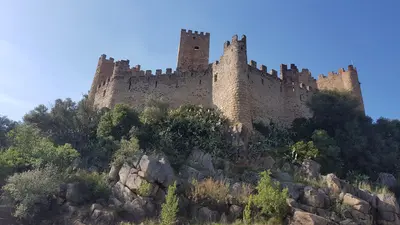
    The Ribatejo is the region on both sides of the middle Tejo northeast of Lisbon. It is flat, fertile alluvial land with viticulture, rice fields, and pastures where horses and fighting bulls are bred. Key towns are Santarém with its Gothic churches and Tomar with the Templar castle Convento de Cristo, plus the river castle of Almourol.
    Douro Valley

    Douro Valley

    The Douro Valley east of Porto is the home of Port wine. Steep vineyard terraces climb both banks of the river, interspersed with wineries, the Quintas, and small towns like Peso da Régua and Pinhão. The Alto Douro wine region was legally demarcated in 1756 and has been a UNESCO World Heritage site since 2001.

    Recommended Itineraries

    Discover the best routes through Portugal.
    Algarve Coastal Route

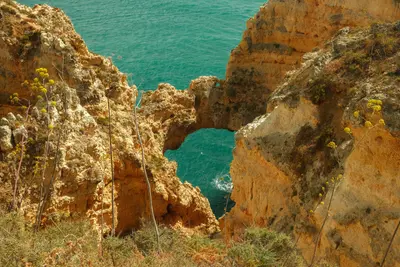
    Algarve Coastal Route

    The route follows the Algarve from East to West: from Tavira and Faro with the lagoon landscape of Ria Formosa, via Albufeira to Lagos with its rocky coves. Faro Airport to Tavira is about 30 minutes; the other stages are equally short, leaving time for swim breaks and boat trips to the grottoes. With nine overnights, it's easily doable in ten days.

    10 Days
    Stops at a glance
    1. 1.Tavira
    2. 2.Faro
    3. 3.Albufeira
    4. 4.Lagos
    View Route Details →
    Lisbon & Central Coast

    Lisbon & Central Coast

    The route begins in Lisbon and leads to the coast to Cascais, then to the palaces of Sintra and further north to walled Óbidos and the fishing village of Nazaré. No stage takes longer than a good hour; Cascais and Sintra are also reachable from Lisbon by suburban train. With ten overnight stays, it's easily doable in about one and a half weeks.
    11 Days
    5 stops
    Porto & Douro Valley

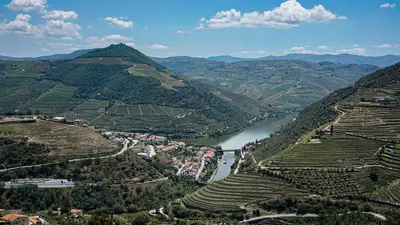
    Porto & Douro Valley

    From Porto upstream into the Douro Valley: via Lamego with its pilgrimage staircase to Peso da Régua and Pinhão, amidst the UNESCO World Heritage wine terraces. Short stages allow time for wineries, viewpoints, and a boat trip on the Douro. With ten overnight stays, about one and a half weeks.
    11 Days
    4 stops
    Alentejo Peace & Expanse

    Alentejo Peace & Expanse

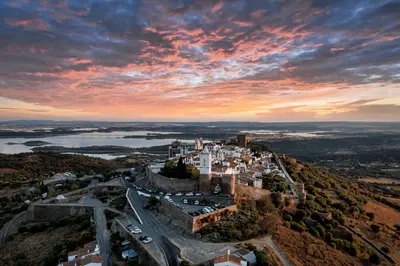
    Slow travel in Alentejo: the UNESCO city of Évora with its Roman temple, the castle village of Monsaraz above the Alqueva reservoir, and finally the Atlantic coast near Vila Nova de Milfontes. Short driving distances, little hustle and bustle, and regional cuisine with pork, bread, and red wine.
    8 Days
    3 stops
    Portugal by motorhome: North to South

    Portugal by motorhome: North to South

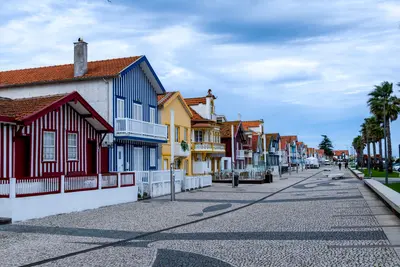
    Campervan route from the North to the Algarve: Porto, the lagoon city Aveiro, Nazaré, Lisbon, the rice fields and beaches around Comporta, the Alentejo coast near Vila Nova de Milfontes and Lagos. Moderate daily stages; strict rules apply to wild camping along the coast, so plan for designated pitches. With 18 overnight stays, just under three weeks.
    19 Days
    7 stops
    Serra da Estrela & Central Portugal

    Serra da Estrela & Central Portugal

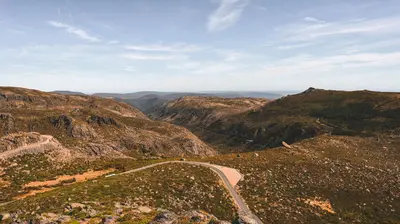
    From the university city of Coimbra to the mountains: Covilhã is the starting point for the Serra da Estrela Natural Park, with glacial cirques, mountain lakes and the mainland's highest point, Belmonte a quiet place with a castle and Jewish history. Best from May to June and in September, with five overnights in just under a week.

    6 Days
    3 stops

    What you eat in Portugal

    Pastel de Nata

    Pastel de Nata

    Puddingtörtchen

    Crispy puff pastry tartlets with an egg custard filling, lightly caramelized in a very hot oven. Originating in monastery kitchens, the recipe was made famous by the Belém pastry shop, baking it since 1837. Best warm, with cinnamon and icing sugar, alongside a Bica.
    Bacalhau à Brás

    Bacalhau à Brás

    Stockfish with egg and matchstick fries

    Soaked, shredded Bacalhau, onions, thin fried potato strips, and egg are cooked into a creamy dish. Garnished with black olives and parsley. The dish originates from Lisbon and is on the menus of nearly all traditional restaurants.
    Sardinhas Assadas

    Sardinhas Assadas

    Gegrillte Sardinen

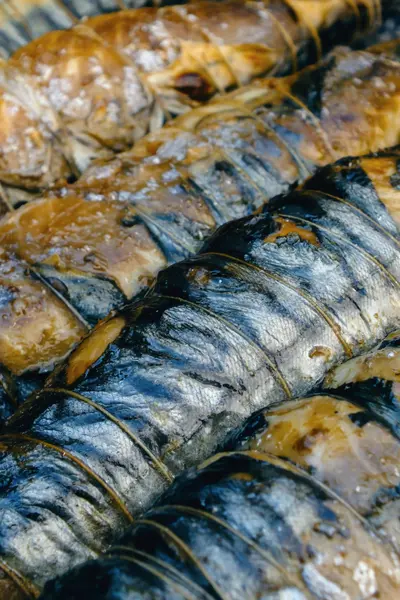
    Fresh sardines, rubbed with coarse salt and grilled over charcoal. The season is June to September, peaking with the June festivals. Traditionally served on a slice of bread, with potatoes, grilled peppers or salad.
    Caldo Verde

    Caldo Verde

    Grünkohlsuppe

    Potato soup with very finely sliced cabbage (couve galega), olive oil, and a slice of Chouriço. Originally from the northern Minho region, it's now popular nationwide and a staple at weddings and folk festivals.
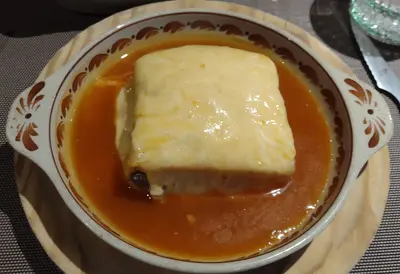
    Francesinha

    Francesinha

    Grilled Sandwich from Porto

    Toast with ham, sausage, and steak, baked with cheese and served in a spicy tomato-beer sauce, often with a fried egg and fries. The dish originated in 1950s Porto and is available in many snack bars there.
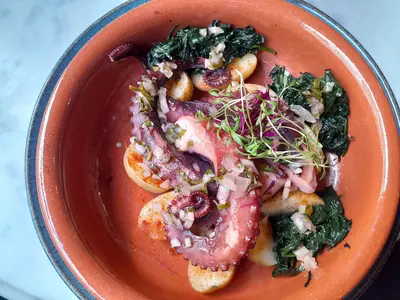
    Lagareiro Octopus

    Lagareiro Octopus

    Octopus with olive oil and potatoes

    Octopus, first boiled and then oven-roasted, drizzled with plenty of olive oil and garlic. It is served with small, smashed oven potatoes (batatas a murro). The name refers to the olive mill, the lagar.

    Good to Know

    Essential info for your trip planning.

    Land & People

    GeographyPortugal occupies the west of the Iberian Peninsula and has about 10.6 million inhabitants.

    History & Society

    From the Reconquista to the Maritime EmpireRomans, Visigoths, and from 711, the Moors shaped the territory of…

    Food & Drink

    Cuisine between Sea and LandPortuguese cuisine is down-to-earth and focuses on fish, seafood, pork, olive oil, and…

    Practical Info

    For up-to-date and binding information on entry, safety, and health, please refer to the travel and safety advisories…

    Getting Around

    Trains and Long-Distance BusesThe state railway CP connects Lisbon and Porto with the Alfa Pendular in just under three…

    RV Travel

    Arrival and RoadsFrom Germany to Lisbon, it's a good 2,000 kilometres by road through France and Spain; plan at least…

    Traveling with Kids

    General SuitabilityPortugal is a child-friendly travel destination.

    Best Time to Visit

    When is the best time for your trip?

    April
    May
    September
    October
    16–23°C·30–80 mm(moderate rain)
    Diese Monate bieten ideale Bedingungen mit angenehmen Temperaturen, geringerem Niederschlag und weniger Touristenmassen als im Hochsommer. Perfekt für Sightseeing, Wanderungen und den Genuss der Küstenregionen.
    Das Klima in Portugal ist primär mediterran geprägt, mit heißen, trockenen Sommern und milden, feuchten Wintern. Es gibt jedoch signifikante regionale Unterschiede:Norden (z.B. Porto, Minho): Hier herrscht ein maritimeres Klima mit kühleren Temperaturen und deutlich mehr Niederschlag, besonders im Winter. Die Sommer sind milder als im Süden.Zentralregion (z.B. Lissabon, Alentejo): Typisch mediterran mit heißen, sehr trockenen Sommern und milden, aber regnerischen Wintern. Das Landesinnere des Alentejo kann im Sommer extrem heiß werden.Süden (Algarve): Das trockenste und sonnenreichste Gebiet Portugals. Die Sommer sind hier am längsten und heißesten, die Winter sehr mild und relativ trocken.Binnenland: Regionen fern der Küste können kontinentalere Züge aufweisen, mit größeren Temperaturunterschieden zwischen Tag und Nacht sowie zwischen Sommer und Winter. Im Winter kann es hier sogar zu leichtem Schneefall kommen.Atlantischer Einfluss: Die gesamte Westküste Portugals, von Nord nach Süd, steht unter dem Einfluss des Atlantiks. Dies führt zu kühleren Wassertemperaturen im Vergleich zum Mittelmeer und kann auch im Sommer für eine angenehme Brise sorgen.Hitzewellen: Im Hochsommer, insbesondere Juli und August, können Hitzewellen mit Temperaturen von über 35°C, vor allem im Landesinneren und Süden, auftreten.Waldbrandgefahr: Während der trockenen Sommermonate besteht eine erhöhte Waldbrandgefahr, insbesondere in ländlichen und bewaldeten Gebieten.

    Seasons

    Jan
    Feb
    Mar
    Apr
    May
    Jun
    Jul
    Aug
    Sep
    Oct
    Nov
    Dec
    Trockenzeit
    Übergangssaison
    Regenzeit
    Nebensaison
    Best Time to Visit
    ▶Show detailed monthly data
    MonthTemp (°C)Rain (mm)Sun (h)
    January11.01005.0
    February12.0906.0
    March14.0707.0
    April16.0608.0
    May19.0409.0
    June22.02010.0
    July25.01011.0
    August25.01010.0
    September23.0308.0
    October19.0807.0
    November15.01005.0
    December12.01104.0

    Travel advice

    Safety, entry requirements and health: the official, up-to-date advice for Portugal is published by the UK government on GOV.UK.

    Go to GOV.UK

    Sources & method

    • Photos: Wikimedia Commons, Unsplash, Pexels. Each photo carries its credit.
    • The content is based on web research from public, traceable sources. How the content is made · The role of AI
    Felix at Kuirau Park in Rotorua, New Zealand

    Who's behind Fernweh?

    Hi, I'm Felix.

    I love to travel, and I love planning even more. Fernweh.guide is my attempt at building a really good online travel guide.

    About Fernweh

    All places in Portugal

    • Albufeira
    • Alentejo
    • Alfama
    • Algarve
    • Aveiro
    • Azores
    • Bairro Alto
    • Baixa Pombalina
    • Beiras and Serra da Estrela
    • Beja
    • Belém
    • Belmonte
    • Braga
    • Cascais
    • Castelo de Almourol
    • Centro
    • Coimbra
    • Comporta
    • Costa de Prata (Silver Coast)
    • Covilhã
    • Douro Valley
    • Elvas
    • Estremoz
    • Évora
    • Faial
    • Faro
    • Fátima
    • Flores
    • Funchal
    • Furnas
    • Guarda
    • Guimarães
    • Lagos
    • Lamego
    • Lisbon
    • Lisbon Metropolitan Area
    • Madeira
    • Mértola
    • Monsanto
    • Monsaraz
    • Nazaré
    • Norte (Northern Portugal)
    • Óbidos
    • Peneda-Gerês Nationalpark
    • Peniche
    • Peso da Régua
    • Pico
    • Pico do Arieiro
    • Pinhão
    • Ponta de São Lourenço
    • Ponta Delgada
    • Portimão
    • Porto
    • Porto Moniz
    • Porto Santo
    • Ribatejo
    • Sagres & Cabo de São Vicente
    • Santana
    • Santarém
    • São Miguel
    • Serra da Estrela Natural Park
    • Sete Cidades
    • Silves
    • Sintra
    • Tavira
    • Terceira
    • Tomar
    • Viana do Castelo
    • Vila Nova de Milfontes

    More about Portugal

    • Best Time to Visit Portugal
    • Portugal with Kids
    • Portugal by RV