Fernweh: Home
    ExploreTravel GuidesPlan a tripMy tripLast visited
    de|en
    All Places & RegionsAll highlightsAbout FernwehFAQPrivacy PolicyImprint
    ExploreTravel GuidesPlan a tripMy tripLast visited
    • Why go
    • Highlights
    • Explore regions
    • Round trips
    • Local food
    • Good to know
    • Best time to visit
    • Travel advice
    Sweden

    Travel Guide Sweden

    Sweden spans approximately 1,500 kilometers from the beech forests and fields of Skåne in the south to the arctic fells of Lapland. This results in immense **natural diversity** that you can actively explore or simply let wash over you.

    by Felix Gillen

    Contents

    • Why go
    • Highlights
    • Explore regions
    • Round trips
    • Local food
    • Good to know
    • Best time to visit
    • Travel advice

    Why Go To Sweden?

    Sweden combines vast nature with well-organized cities: Forests and lakes define the interior, the coasts feature archipelagos with thousands of islands, and in the north, you'll experience the Midnight Sun in summer and the Northern Lights in winter. Stockholm, Gothenburg, and Malmö offer museums, design, and diverse cuisine. Additionally, there's the Right of Public Access, which grants you much freedom in nature, and Fika as an integral part of daily life.

    Where in Sweden?

    Pick a region. The highlights, road trips and places below follow your choice.

    Stockholm
    Highlight 1 of 8

    Stockholm

    Stockholm, the capital of Sweden, stretches across 14 islands where Lake Mälaren flows into the Baltic Sea, and is often called the "Venice of the North".

    Discover
    Gamla Stan
    Highlight 2 of 8

    Gamla Stan

    Gamla Stan, Stockholm's historic Old Town, is located on the island of Stadsholmen and represents the city's medieval heart. Here you'll discover narrow cobblestone streets, colorful merchant houses, and historic squares that define the urban landscape.

    Discover
    Visby
    Highlight 3 of 8

    Visby

    Visby, Gotland's capital, became a UNESCO World Heritage site in 1995 as a Hanseatic city. Around 3.4 km of its 13th and 14th-century ring wall are preserved, along with 27 large wall towers.

    Discover
    Småland
    Highlight 4 of 8

    Småland

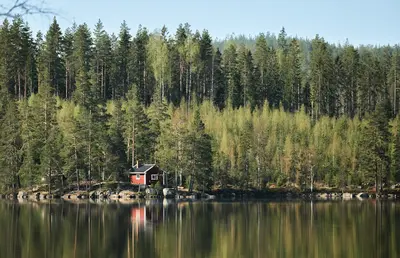
    Småland is southern Sweden's forested, lake-dotted landscape, between Lake Vättern (north) and the Baltic Sea (east). Red wooden houses, stone walls, and moors define the scene.

    Småland is one of southern Sweden's large historical regions and today essentially covers the provinces of Jönköping, Kronoberg, and Kalmar. The largest cities are Jönköping on the southern shore of Lake Vättern, Växjö inland, and Kalmar on the Baltic Sea coast.

    Discover
    Malmö
    Highlight 5 of 8

    Malmö

    Malmö has a good 360,000 inhabitants, making it Sweden's third-largest city, and lies on the Öresund, about 40 minutes by train from Copenhagen.

    Discover
    Gothenburg
    Highlight 6 of 8

    Gothenburg

    Gothenburg, Sweden's second-largest city, is shaped by its maritime heritage and characteristic canals. Here, you'll discover a mix of historic charm and modern city life.

    Discover
    Smögen
    Highlight 7 of 8

    Smögen

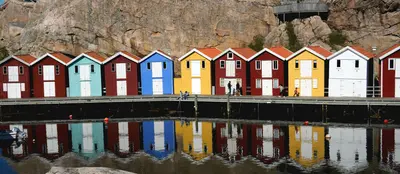
    Smögen, located in the municipality of Sotenäs, is one of the most famous and frequently visited fishing villages on Sweden's west coast.

    Discover
    Swedish Lapland (Lapland)
    Highlight 8 of 8

    Swedish Lapland (Lapland)

    Swedish Lapland is the Arctic part of Sweden: vast forests, fells and lakes, plus the Sámi culture. In winter, Northern Lights chances are good from September to March; in summer, the sun doesn't set from late May to mid-July.

    Sweden's northernmost region, Swedish Lapland, combines Arctic nature with a deeply rooted culture. Here you will meet the Sámi, whose traditional way of life is closely linked to reindeer herding.

    Discover

    More highlights in Sweden

    Unique experiences that make Sweden unforgettable.

    Torneträsk

    Torneträsk

    At approximately 330 square kilometers, Lake Torneträsk (Sami Duortnosjávri) is Sweden's sixth-largest lake and is considered Scandinavia's largest fell lake. The lake, approximately 69 kilometers long, reaches depths of up to 168 meters and lies nestled among the mountains north of Kiruna. Along its southern shore lie Abisko, Björkliden, and views of the Lapporten. In winter, observe the Northern Lights here; in summer, hike under the Midnight Sun.
    West Coast (Västkusten)

    West Coast (Västkusten)

    Sweden's west coast, Västkusten, stretches from Halland in the south, with sandy beaches like Tylösand, to Bohuslän's archipelago coast in the north. Characterized by smooth granite cliffs, thousands of islands, and fishing villages like Smögen and Fjällbacka. The region is known for seafood and water sports, with Gothenburg as its center.

    How to plan your trip to Sweden

    From the guide to the road: here is what comes next.

    1. 1
      Sunrise over alpine peaks and a sea of clouds
      1234

      Round trip

      12 days · 4 stops

      Saved

      Pick a route

      Pick a ready-made one or save places and plan your own.

      Browse routes
    2. 2

      Trip to Sweden

      Live
      • 1Stockholm3 days
      • 2Gamla Stan4 days
      • 3Visby5 days
      Budget

      Plan your trip

      The planner sorts stops, days and budget. Plan together in real time.

      Go to My Trips
    3. 3
      9:41 No signal
      Sweden
      Available offline

      Use it on the road

      Download the guide to your phone and use it on site, even offline.

    Regions to Discover

    Explore the diverse regions of Sweden.
    Blekinge

    Blekinge

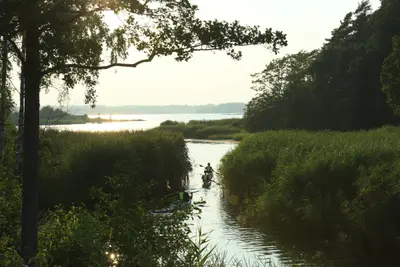
    Blekinge is Sweden's second-smallest province, on the Baltic Sea between Skåne and Småland. Deciduous forests extend to an archipelago coast with around 800 islands and skerries, protected as a UNESCO Biosphere Reserve. Its main town is the naval city of Karlskrona, whose port facilities are UNESCO World Heritage.
    Bohuslän Skerries Coast

    Bohuslän Skerries Coast

    The Bohuslän archipelago coast north of Gothenburg is characterized by reddish, smoothly polished granite rocks and fishing villages. Far to the north lie the Koster Islands in Kosterhavet, which was established in 2009 as Sweden's first marine national park. Further south, Marstrand with Carlsten Fortress and Smögen with Smögenbryggan and its colourful boathouses are worthwhile. The region is known for seafood; a lobster or crab safari offers insight into fishing. Midsummer is suitable for island hopping, autumn for quieter days.
    Dalarna

    Dalarna

    Dalarna in Central Sweden is known for its red wooden houses, the Dala horse, and a landscape of lakes, forests, and mountains around Lake Siljan. The region fosters folk art, traditional costumes, and Midsummer festivals, and the Falun Copper Mine, a UNESCO World Heritage site, is located here.
    Gotland

    Gotland

    Gotland, at around 2,994 km², is Sweden's largest island and lies in the middle of the Baltic Sea. Its capital, Visby, a Hanseatic city and UNESCO World Heritage site since 1995, boasts a ring wall preserved for around 3.4 km. Out on the island, 94 medieval country churches, limestone pillars (Raukar), and long coastal sections shape the scene.
    Swedish Lapland (Lapland)

    Swedish Lapland (Lapland)

    Swedish Lapland is the Arctic part of Sweden: vast forests, fells and lakes, plus the Sámi culture. In winter, Northern Lights chances are good from September to March; in summer, the sun doesn't set from late May to mid-July. Highlights include the ICEHOTEL, the Treehotel, the Kungsleden and the UNESCO World Heritage Site Laponia.
    Skåne

    Skåne

    Skåne is Sweden's southernmost province and lies directly opposite Copenhagen. Vast fields, beech forests, and some 500 kilometers of coastline with sandy beaches and sea cliffs characterize the landscape. With Malmö, the university city of Lund, and Helsingborg, three vibrant cities lie close to one another, while Österlen in the southeast is known for apple orchards, handicrafts, and fishing villages.
    Småland

    Småland

    Småland is southern Sweden's forested, lake-dotted landscape, between Lake Vättern (north) and the Baltic Sea (east). Red wooden houses, stone walls, and moors define the scene. Highlights include the Kingdom of Crystal (between Växjö and Kalmar) and Vimmerby, Astrid Lindgren's hometown.
    Stockholm

    Stockholm

    Stockholm, the capital of Sweden, stretches across 14 islands where Lake Mälaren flows into the Baltic Sea, and is often called the "Venice of the North". The city combines the medieval alleyways of Gamla Stan with modern architecture, a rich museum landscape on Djurgården, and plenty of greenery by the water. Directly in front of the city, the archipelago begins, which can be easily explored by ferry as a day trip.
    Stockholm Archipelago

    Stockholm Archipelago

    The Stockholm Archipelago is Sweden's largest archipelago. Depending on the count, it consists of around 24,000 to 30,000 islands, islets, and rocks, stretching from Öja south of Nynäshamn to Väddö north of Norrtälje. Rugged rocky coasts, fishing villages, and holiday homes characterize the islands, which are suitable for swimming, sailing, and hiking. You can reach most inhabited islands by ferry with Waxholmsbolaget, the largest provider of scheduled services.
    Vänern and Göta Canal

    Vänern and Göta Canal

    Around Lake Vänern, Sweden's largest lake, lake landscapes, maritime history, and small towns unite. At Sjötorp on the eastern shore, the Göta Canal begins, spanning over 190 km and 58 locks to Mem on the Baltic Sea; in the southwest, the Göta älv flows from Vänersborg, en route to Trollhättan. Towns like Mariestad, Åmål, and Läckö Castle invite stops; in summer, archipelagos, boat trips, and water sports offer great variety.
    West Coast (Västkusten)

    West Coast (Västkusten)

    Sweden's west coast, Västkusten, stretches from Halland in the south, with sandy beaches like Tylösand, to Bohuslän's archipelago coast in the north. Characterized by smooth granite cliffs, thousands of islands, and fishing villages like Smögen and Fjällbacka. The region is known for seafood and water sports, with Gothenburg as its center.

    Östergötland

    Östergötland is situated between Lake Vättern in the west and the Baltic Sea in the east. The Göta Canal traverses the province from Mem on the Baltic Sea to Motala on Lake Vättern, featuring lock staircases like those in Berg and the canal town of Söderköping; on the shores of Lake Vättern lies the monastery town of Vadstena. The fertile Östgöta Plain, hilly forest and lake districts in the south and north, and an archipelago coast characterize the landscape.

    Recommended Itineraries

    Discover the best routes through Sweden.
    Southern Sweden Highlights

    Southern Sweden Highlights

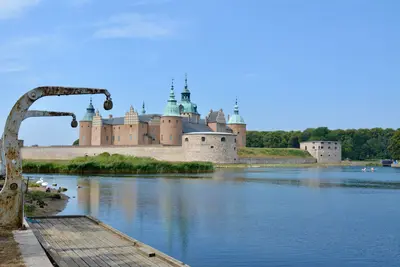
    A relaxed route through Southern Sweden with Baltic Sea beaches, coastal towns, and the forests of Småland. From Malmö, the journey goes along the south coast via Ystad to Karlskrona, continuing to Kalmar and Öland, and via Växjö back to the west coast to Halmstad. It’s ideal for a first trip to Sweden and for families, as the stages are mostly short.

    16 Days
    Stops at a glance
    1. 1.Malmö
    2. 2.Ystad
    3. 3.Karlskrona
    4. 4.Kalmar
    5. 5.Öland
    6. 6.Växjö
    7. 7.Halmstad
    View Route Details →
    West Coast Road Trip

    West Coast Road Trip

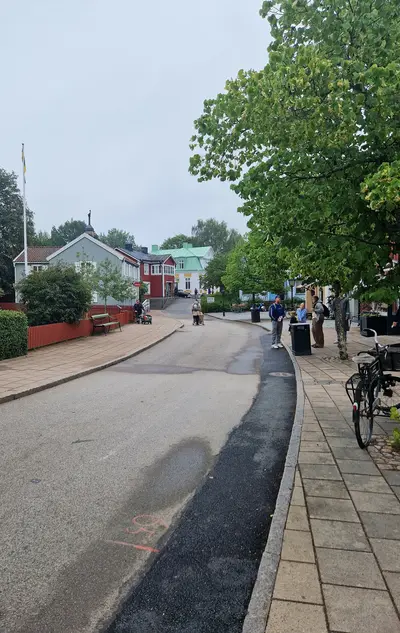
    The route leads from Malmö and Helsingborg in Skåne up the west coast: via Halmstad and Varberg with their sandy beaches to Göteborg and further into the Bohuslän archipelago to Smögen and Fjällbacka. The E6 connects all locations, and the stages usually take less than two hours. In summer, the fish restaurants and bathing spots are open all day.
    16 Days
    7 stops
    Småland & Astrid Lindgren

    Småland & Astrid Lindgren

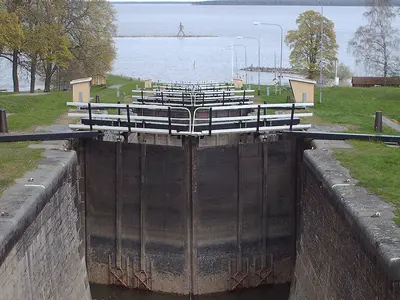
    A family-friendly tour through forests, lakes, and red wooden houses in Småland: from the IKEA Museum in Älmhult to the glassworks around Kosta, on to Kalmar with its castle and to the island of Öland, then to Vimmerby for Astrid Lindgren's World and finally to Jönköping on Lake Vättern. The stages usually last one to two hours, the pace is relaxed.
    15 Days
    6 stops
    Göta Canal & Lakes (Motorhome)

    Göta Canal & Lakes (Motorhome)

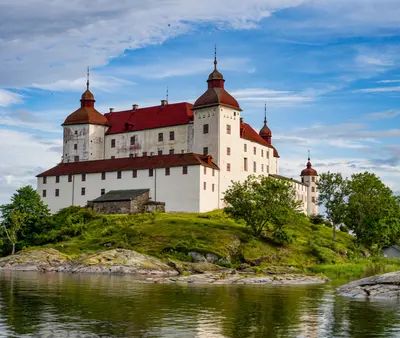
    A tranquil motorhome route along the Göta Canal: from Söderköping via Vadstena and Motala on Lake Vättern, continuing along the canal to Sjötorp on Lake Vänern, then via Mariestad and Trollhättan to Gothenburg. Many campsites and guest harbours are located right by the water; the daily stages are short and mostly flat. Plan for just under three weeks.
    19 Days
    7 stops
    Around Lake Vänern (Motorhome, 2 weeks)

    Around Lake Vänern (Motorhome, 2 weeks)

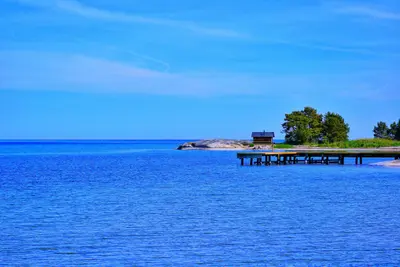
    A two-week tour of Vänern, Sweden's largest lake: from Trollhättan and Vänersborg in the south, past Läckö Castle on Kållandsö and Mariestad on the east shore, to Åmål in the west. Along the way are swimming spots and the Kinnekulle table mountain. The stages are short; only the drive from Mariestad to Åmål takes around two and a half hours.
    15 Days
    5 stops
    Stockholm Archipelago

    Stockholm Archipelago

    From Stockholm, take a ferry to Vaxholm and Sandhamn in the central archipelago, then south to Utö and Nåttarö, before the route ends in Nynäshamn. The islands are largely car-free; Waxholmsbolaget ferries run most frequently in summer. Check the timetables in advance, as not all islands are directly connected.

    17 Days
    6 stops

    What you eat in Sweden

    Kanelbullar

    Kanelbullar

    Cinnamon buns

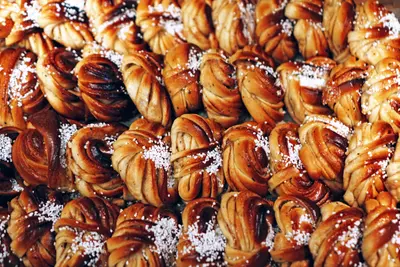
    Almost always accompanying **Fika**, the Swedish coffee break, is a **Kanelbulle**. The soft yeast dough is usually spiced with cardamom and filled with butter, sugar, and cinnamon, topped with coarse pearl sugar (**pärlsocker**). You can find them in virtually every bakery and café; on October 4th, Sweden even celebrates Cinnamon Bun Day (**Kanelbullens dag**).
    Gravad lax

    Gravad lax

    Marinierter Lachs

    Gravad lax is raw salmon, dry-cured with salt, sugar, dill, and pepper, developing a tender texture and a slightly sweet flavour. It is served in thin slices with Hovmästarsås, a mustard-dill sauce, often with potatoes or on bread. It is a classic on Christmas and Midsummer buffets.
    Smörgåstårta

    Smörgåstårta

    Sandwich Cake

    The Smörgåstårta is a savory cake made of several layers of bread, with fillings such as shrimp, salmon, ham, egg, and creams of cream cheese or mayonnaise. It is elaborately garnished and served chilled. It is typical for family celebrations like birthdays, baptisms, or graduations; many bakeries and supermarkets sell it pre-made.
    Surströmming

    Surströmming

    The Fermented Herring

    Surströmming is fermented Baltic herring, a traditional dish primarily from northern Sweden. Opening the can releases a very intense odor, which is why it is usually opened outdoors. The season traditionally begins at the end of August. It is often eaten rolled in tunnbröd (thin flatbread), with small almond potatoes, red onions, and sour cream.
    Prawn Deck

    Prawn Deck

    Shrimp bread

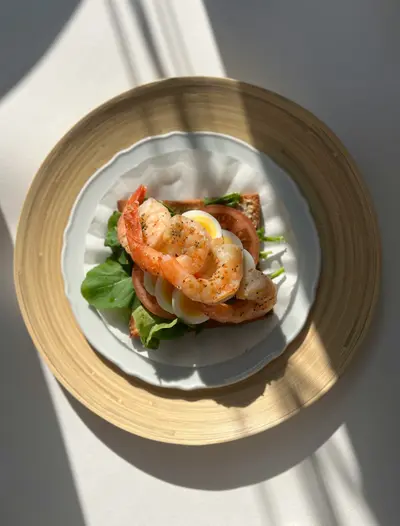
    The Räkmacka (also Räksmörgås) is an open-faced sandwich with shrimp and a classic lunch dish. Served on bread, butter, and lettuce are boiled egg, mayonnaise, and a generous portion of cold-water shrimp (nordhavsräkor), plus dill and lemon. You'll find them in cafés, fish shops, and at harbours, especially on the West Coast.
    Toast Skagen

    Toast Skagen

    Shrimp on Toast

    Toast Skagen is a classic starter: butter-fried white bread topped with a mix of shrimp, mayonnaise, crème fraîche, dill, and lemon, garnished with fish roe like Löjrom and a sprig of dill. It was invented by Swedish chef Tore Wretman in the 1950s; named after the Danish port town Skagen. You'll find it on many menus nationwide.

    Good to Know

    Essential info for your trip planning.

    Land & People

    Nature as a FoundationWhen you travel to Sweden, you'll quickly notice how closely land and people are intertwined.

    History & Society

    From Vikings to a Great PowerBehind red wooden houses and Swedish serenity lies a long history.

    Food & Drink

    When you think of Sweden, Köttbullar might first come to mind.

    Practical Info

    Here you'll find practical information to help you prepare for your trip to Sweden.

    Getting Around

    Sweden's infrastructure is well-developed, but distances are vast: from Malmö to Kiruna, it's over 1,800 kilometers by…

    RV Travel

    Sweden with an RVSweden is well-suited for RV travel. You drive through forests, past lakes, and along the coast at…

    Traveling with Kids

    Sweden is a very child-friendly destination. Nature, space to play, and a culture where children are naturally included…

    Best Time to Visit

    When is the best time for your trip?

    May
    June
    July
    August
    12–18°C·40–70 mm(moderate rain)
    When is the best time to visit Sweden? That's a question without a single answer, as Sweden has its own unique charm in every season. It all depends on what you want to experience.Summer (June to August): Endless Days and WarmthIf you love the sun and want to enjoy the long, almost endless days, then the Swedish summer is ideal for you. Especially in June and July, you'll experience the famous long Midsummer nights, when it barely gets dark – a magical experience! Temperatures are pleasantly warm, perfect for swimming in one of the countless lakes, for extensive hikes through the forests, or for exploring the archipelago by kayak. City trips to Stockholm, Gothenburg, or Malmö are also particularly lovely at this time, as many cafés and restaurants open their outdoor terraces. Remember, however, that summer is also the peak travel season, meaning popular places can be more crowded and accommodations as well as flights become more expensive.Autumn (September to October): Splendid Colours and TranquillityIf you're seeking peace and have a fondness for spectacular nature, then the Swedish autumn will enchant you. The forests transform into a fireworks display of red, gold, and brown hues. It's the perfect time for hikes and mushroom foraging, often with still mild temperatures and pleasantly clear air. The summer tourist crowds have vanished, and you can fully enjoy the silence of nature. Wildlife can also often be observed well during this period.Winter (November to March): Northern Lights and Snowy MagicFor all winter lovers and adventurers, Sweden in winter is a dream. Especially in the north, in Lappland, you'll experience a magical snow landscape. Here you have the best chances to see the spectacular Northern Lights (Aurora Borealis) – an unforgettable experience! Activities such as skiing, snowmobiling, dog sledding, or staying overnight in the Icehotel in Jukkasjärvi are then on the agenda. The atmospheric Christmas markets in December are also worth a visit. Be aware that the days in winter are very short, and in the far north, it barely gets light for weeks, which creates a very special atmosphere.Spring (April to May): Nature AwakensSpring is the time of awakening. After a long winter, the first flowers sprout, the days grow longer again, and nature formally explodes in green. It's a beautiful time to explore the cities or undertake your first hikes before the large tourist flows begin. Temperatures can still be cool, but the sun already has strength and warms pleasantly. This is a good time if you want to experience nature in its freshness and simultaneously benefit from lower prices and fewer people.As you can see, every season in Sweden has its charm. Consider what is most important to you – whether sunbathing, hikes through colourful forests, or the spectacle of the Northern Lights – and choose your best travel time accordingly.
    Das Klima in Schweden variiert stark zwischen dem Norden und dem Süden des Landes. Der Norden, insbesondere Lappland, erlebt lange, kalte Winter mit Temperaturen, die oft unter den Gefrierpunkt fallen, und kurze, milde Sommer. Der Süden hat mildere Winter und wärmere Sommer. Die Niederschläge sind über das ganze Jahr verteilt, wobei die Sommermonate tendenziell etwas feuchter sind. Nördliches Schweden: Lange, schneereiche Winter und kurze Sommer. Geeignet für Winteraktivitäten wie Skifahren und Nordlichter-Beobachtung. Südliches Schweden: Mildere Winter und wärmere Sommer. Ideal für Städtetrips und Erkundung der Küste. Die beste Zeit für einen Besuch in Schweden hängt stark von den geplanten Aktivitäten ab. Für Winteraktivitäten sind die Monate Dezember bis März ideal, während die Sommermonate Juni bis August sich am besten für Outdoor-Aktivitäten wie Wandern und Radfahren eignen.

    Seasons

    Jan
    Feb
    Mar
    Apr
    May
    Jun
    Jul
    Aug
    Sep
    Oct
    Nov
    Dec
    Hauptsaison
    Übergangszeit
    Nebensaison
    Best Time to Visit
    ▶Show detailed monthly data
    MonthTemp (°C)Rain (mm)Sun (h)
    January-3.0502.0
    February-3.0403.0
    March1.0405.0
    April6.0357.0
    May12.0408.0
    June16.0509.0
    July18.0708.0
    August17.0707.0
    September13.0605.0
    October7.0603.0
    November2.0552.0
    December-1.0501.0

    Travel advice

    Safety, entry requirements and health: the official, up-to-date advice for Sweden is published by the UK government on GOV.UK.

    Go to GOV.UK
    Sources & method

    • Photos: Wikimedia Commons, Unsplash, Pexels. Each photo carries its credit.
    • The content is based on web research from public, traceable sources. How the content is made · The role of AI
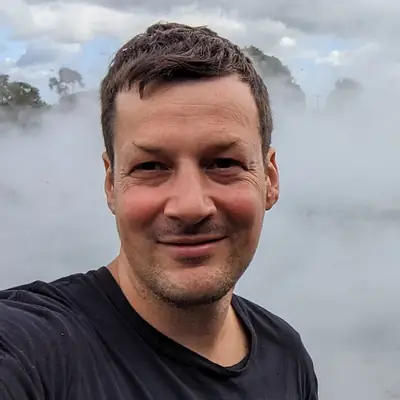
    Felix at Kuirau Park in Rotorua, New Zealand

    Who's behind Fernweh?

    Hi, I'm Felix.

    I love to travel, and I love planning even more. Fernweh.guide is my attempt at building a really good online travel guide.

    About Fernweh

    All places in Sweden

    • Abisko
    • Abisko National Park
    • Ales Stenar
    • Älmhult
    • Åmål
    • Blekinge
    • Bohuslän Skerries Coast
    • Dalarna
    • Djurgården
    • Falun
    • Fårö
    • Fjäderholmarna
    • Fjällbacka
    • Gällivare
    • Gamla Staden (Malmö)
    • Gamla Stan
    • Glasriket (Glass Kingdom)
    • Gothenburg
    • Gotland
    • Grinda
    • Halmstad
    • Helsingborg
    • Jokkmokk
    • Jönköping
    • Kalmar
    • Karlskrona
    • Kiruna
    • Kosta
    • Läckö
    • Luleå
    • Lummelundagrottan
    • Lund
    • Malmö
    • Mariestad
    • Marstrand
    • Möllevången
    • Mora
    • Motala
    • Nåttarö
    • Norrmalm
    • Nynäshamn
    • Öland
    • Östergötland
    • Rättvik
    • Sandhamn
    • Sjötorp
    • Skåne
    • Småland
    • Smögen
    • Söderköping
    • Södermalm
    • Stockholm
    • Stockholm Archipelago
    • Swedish Lapland (Lapland)
    • Torneträsk
    • Treehotel
    • Trollhättan
    • Utö
    • Vadstena
    • Vänern and Göta Canal
    • Vänersborg
    • Varberg
    • Vasastan
    • Västra Hamnen
    • Vaxholm
    • Växjö
    • Vimmerby
    • Visby
    • West Coast (Västkusten)
    • Ystad

    More about Sweden

    • Best Time to Visit Sweden
    • Sweden with Kids
    • Sweden by RV