Fernweh: Home
ExploreGuideDestinationsMy tripsMy trip
de|en
  • Why go
  • Highlights
  • Regions
  • Round trips
  • Local food
  • Good to know
  • Best time to visit
Great Britain

Photo: Unsplash

Travel Guide Great Britain

A Land of Contrasts and Traditions Great Britain, made up of England, Scotland, and Wales, offers remarkable diversity within a relatively small area.

by Felix Gillen

Why Go To Great Britain?

Great Britain invites you to discover a nation that unites history, vibrant culture, and stunning natural landscapes. From ancient Roman walls to London's modern galleries, from the rugged Scottish Highlands to the idyllic coasts of Cornwall, the country offers an unparalleled variety of experiences. Here you will experience royal splendor, literary history, and innovative scenes up close.

Contents

  • Highlights
  • Regions
  • Round trips
  • Local food
  • Good to know
  • Best time to visit

Where in Great Britain?

Pick an area. The highlights, road trips and places below follow your choice.

Highlights in Great Britain

What you should have seen
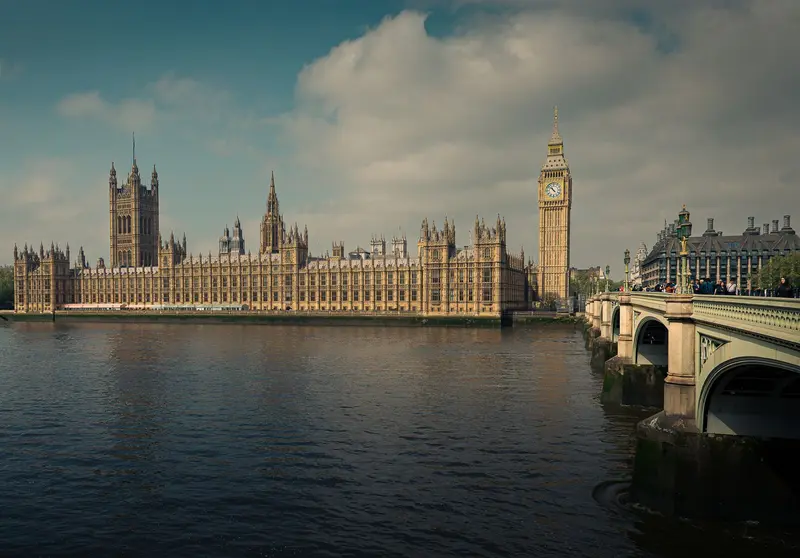
London

Photo by David Zherdenovsky on Pexels
Highlight 1 of 4

London

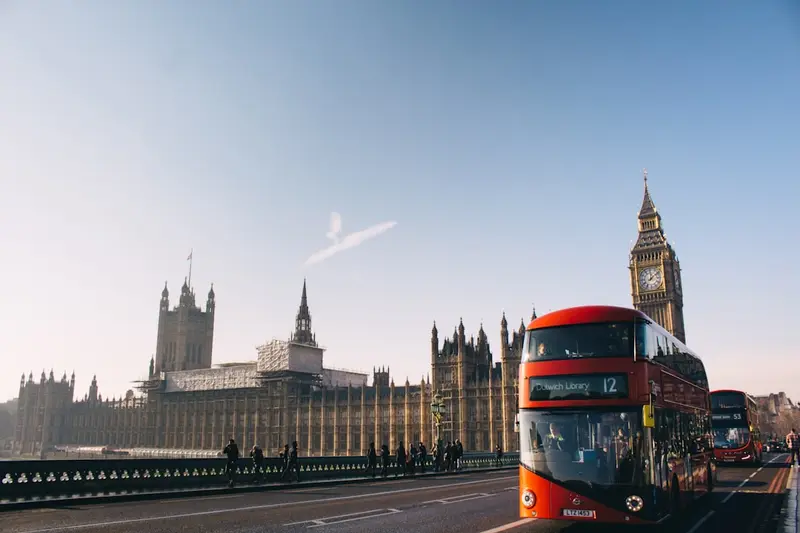
London is the capital of the United Kingdom and, with around nine million inhabitants, one of Europe's largest cities.

London blends centuries-old history with dynamic modernity. You'll discover royal residences like Buckingham Palace and the historic Tower of London, offering deep insights into the British monarchy.

Discover
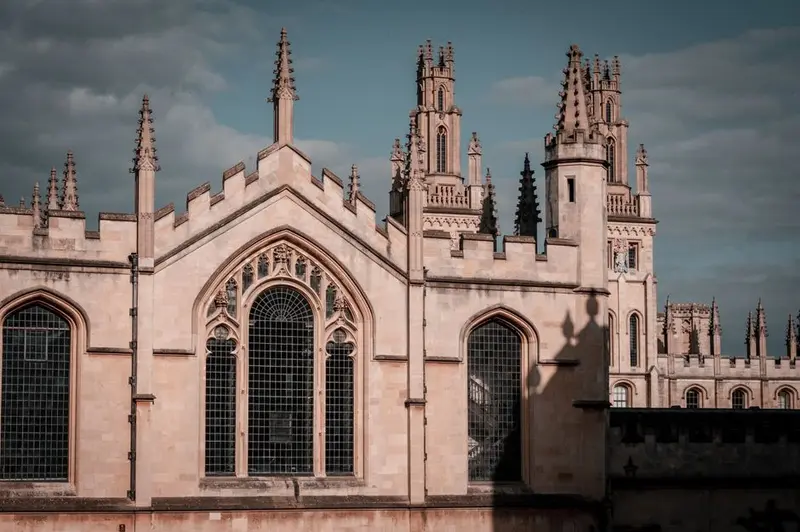
Oxford

Photo by Zekai Zhu on Pexels

Highlight 2 of 4

Oxford

Oxford is the oldest university city in the English-speaking world: Teaching has taken place here since the late 11th century.

Discover
Cotswolds

Photo: Unsplash

Highlight 3 of 4

Cotswolds

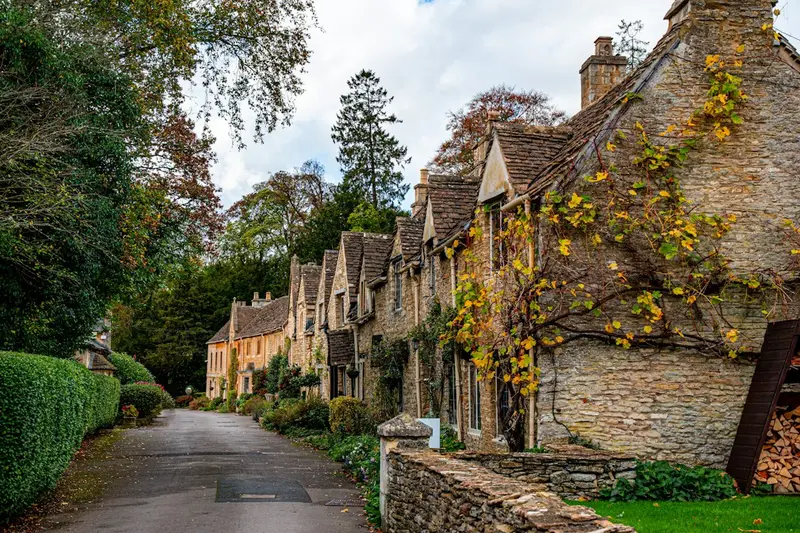
The Cotswolds are a hilly landscape in southwest England, roughly two hours west of London by car, and the country's largest Area of Outstanding Natural Beauty.

The Cotswolds, a "National Landscape" (formerly "Area of Outstanding Natural Beauty") in Southwest England, are renowned for their rolling hills and honey-coloured limestone villages. The historic wool trade shaped the region, visible in the architecture of its market towns and churches.

Discover
Bath

Photo by Hulki Okan Tabak on Unsplash

Highlight 4 of 4

Bath

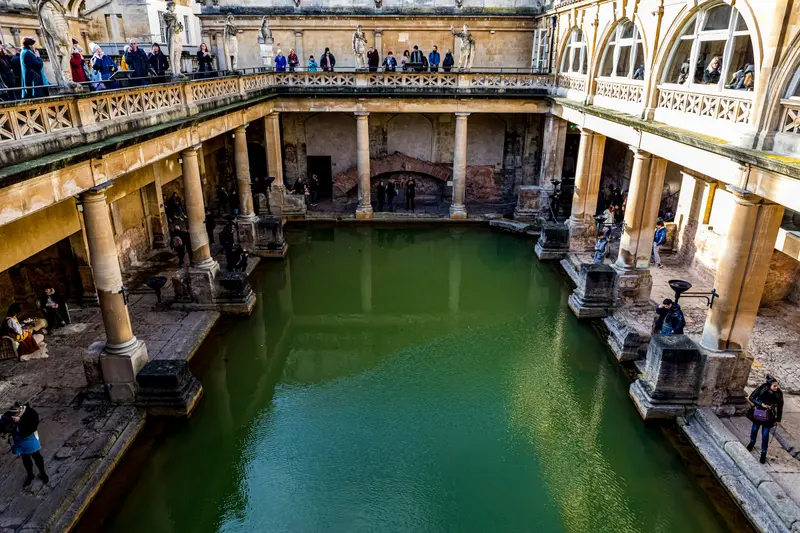
Bath owes its fame to its hot springs, claimed by the Roman Baths to be Britain's only natural ones.

Discover

More highlights in Great Britain
Stonehenge and Salisbury

Stonehenge and Salisbury

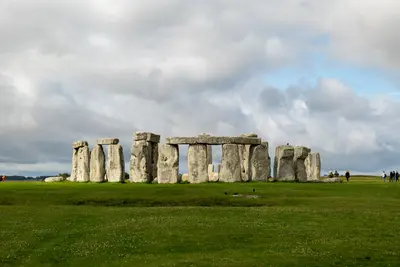
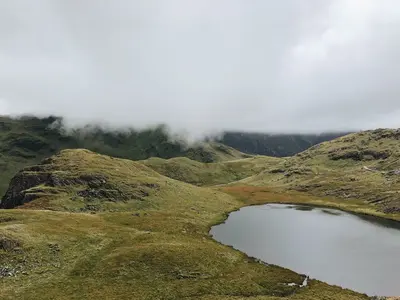
The prehistoric stone circle of Stonehenge stands on Salisbury Plain in southwest England. By train from London, you can reach nearby Salisbury in just over 1 hour 20 minutes. It was built in several phases: the bank and ditch around 3100 BC, the Sarsen stone circle around 2600 to 2400 BC, and the Bluestones from the Preseli Hills in Wales around 2400 to 2200 BC. Together with Avebury, Stonehenge has been a UNESCO World Heritage site since 1986. The site is aligned with the sunrise at the summer solstice and the sunset at the winter solstice. Salisbury is worth a stop in its own right: its cathedral boasts the tallest church spire…

Eren Cebeci·Pexels

York

York

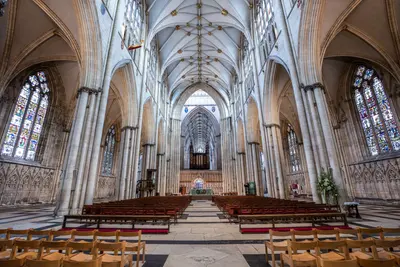
York in Northern England is one of the country's best-preserved medieval cities. Dominating the Old Town is the Gothic York Minster, built from 1220 to 1472, around which stretches a 4 km long city wall from the 13th and 14th centuries, which you can walk along for free. Also discover the half-timbered street The Shambles, the Jorvik Viking Centre, and the National Railway Museum (free entry).

Michael D Beckwith·Pexels

Edinburgh

Edinburgh

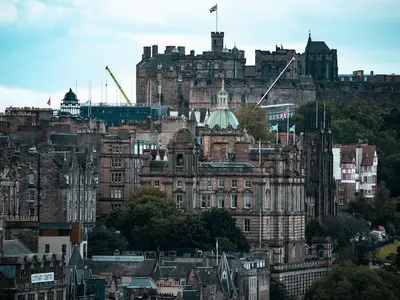
Edinburgh is the capital of Scotland and is located on the east coast on the Firth of Forth. With its castle perched on a rock, the medieval Old Town along the Royal Mile, and the Georgian New Town, it boasts one of Europe's most complete historic cityscapes. The city is built on extinct volcanic rock. A glacier carved its way around the hard basalt plug where the castle stands today, leaving a long ridge behind it. The Royal Mile lies on this ridge, and this geology explains the layout of the Old Town: The narrow alleyways, known as Closes , fall steeply away on both sides. The Old Town is densely medieval, with tenement buildings…

Gavin Young·Pexels

Isle of Skye

Isle of Skye

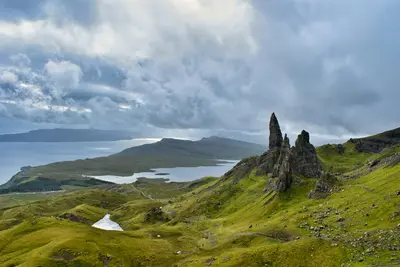
The Isle of Skye is the largest island of the Inner Hebrides off Scotland's west coast, connected to the mainland by a bridge since 1995. Visitors come for its jagged Cuillin mountains, the rock pinnacles of the Old Man of Storr, and a coastline of cliffs, bays, and long peninsulas. Geologically, Skye is divided into two parts. The Black Cuillin in the south are made of gabbro, a rough, magnetic rock that has created the most jagged mountain formations in Britain; the ridge is considered the island's most challenging mountain tour and is not for the inexperienced. The north, with the Trotternish Peninsula, is composed of basalt…

Daniel Tonks·Unsplash

Glencoe & Fort William

Glencoe & Fort William

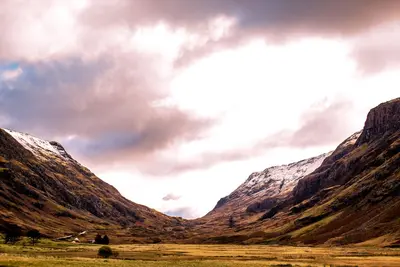
Glencoe is the most famous glen in the Highlands, a trough carved by glaciers, its flanks rising almost vertically. Its bedrock is the remnant of a collapsed Devonian volcano, with the Three Sisters on its south side being parts of its crater rim. The A82 runs straight through, making the glen accessible even without a hike. In Scotland, the name is inextricably linked to the 1692 massacre, when Campbell soldiers killed 38 members of Clan MacDonald after being billeted with them for twelve days. The breach of hospitality weighed more heavily than the deed itself and shapes the memory to this day. Fort William , around 25 kilometres…

Darrell Gough·Pexels

Lake District National Park

Lake District National Park

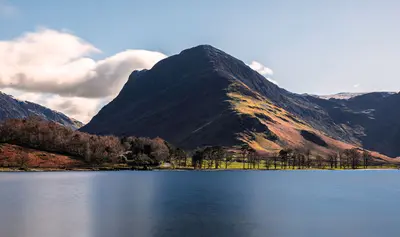
The Lake District in northwest England is the country's largest national park and a UNESCO World Heritage site since 2017. Sixteen large lakes lie here amidst barren mountains, the Fells, including Scafell Pike, England's highest peak; plus sheep pastures, dry stone walls, and villages built from grey slate.This landscape has inspired poets like William Wordsworth and children's author Beatrix Potter, and remains England's classic hiking destination to this day. The south around Windermere is heavily visited, while the western valleys are significantly more solitary.

Brian Austwick·Pexels

Eryri (Snowdonia) National Park

Eryri (Snowdonia) National Park

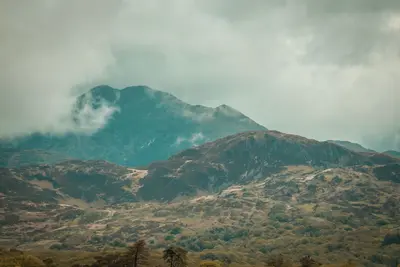
Eryri , officially Snowdonia until the end of 2022, is Wales' oldest national park, covering 2,130 square kilometres of mountains, lakes, and coastline in the country's northwest. Here stands Yr Wyddfa , Snowdon, Wales' highest mountain at 1,085 metres, surrounded by glacial valleys, old slate quarries, and villages where Welsh is the everyday language. Unlike German national parks, Eryri is a cultural landscape: around 26,000 people live here, over half of whom speak Welsh, and its slopes have been grazed for centuries. Six marked paths lead up Yr Wyddfa, along with a rack railway from Llanberis. The rock is predominantly of…

Lina Kivaka·Pexels

Cornwall

Cornwall

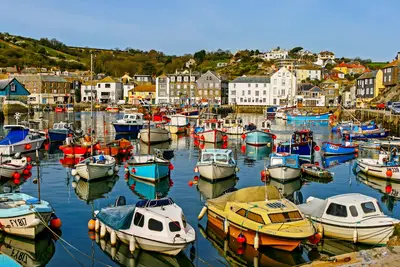
Cornwall is England's southwesternmost county, a long peninsula between the Atlantic and the English Channel. People come for its coast: northern cliffs and surf beaches, southern sheltered coves and fishing villages, plus subtropical gardens, tin mining ruins, and its own Celtic tradition.In July and August, the peninsula gets very crowded, and the narrow roads are consequently slow. In May, June, and September, the weather is often just as good, and travel is more relaxed.

Unsplash

How to plan your trip to Great Britain

From the guide to the road: here is what comes next.

  1. 1
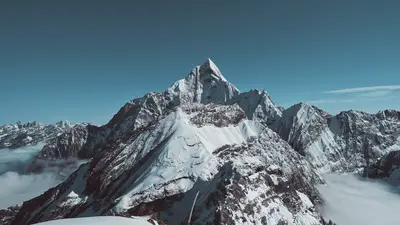
    Sunrise over alpine peaks and a sea of clouds
    1234

    Round trip

    12 days · 4 stops

    Saved

    Pick a route

    Pick a ready-made one or save places and plan your own.

    Browse routes
  2. 2

    Trip to Great Britain

    Live
    • 1London3 days
    • 2Oxford4 days
    • 3Cotswolds5 days
    Budget

    Plan your trip

    The planner sorts stops, days and budget. Plan together in real time.

    Go to My Trips
  3. 3
    9:41 No signal
    Great Britain
    Available offline

    Photo: Unsplash

    Use it on the road

    Download the guide to your phone and use it on site, even offline.

Regions to Discover

Explore the diverse regions of Great Britain.
Scotland

Scotland

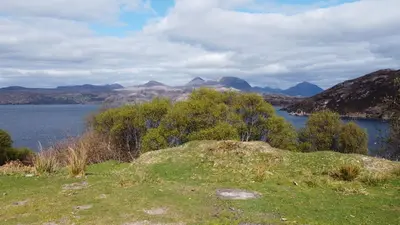
Scotland occupies the northern third of the island of Great Britain and has been united with England since 1707, but it has its own legal system, its own education system, its own banknotes, and since 1999, its own parliament. Those coming from England will notice the difference in language alone: Besides English, Scots and, in the northwest, Scottish Gaelic are spoken. Three Landscapes The south consists of the gentle Southern Uplands with their sheep pastures and ruined abbeys. Above that lies the Central Belt, the densely populated band between Edinburgh and Glasgow, home to three-quarters of the population. North of the…

E Stephen·Pexels

Wales

Wales

Wales , just over 20,000 square kilometers, is smaller than Hesse, yet it packs in three national parks, five mountain ranges, and a continuously accessible coastline. The country was conquered by England in 1284 and formally incorporated in 1536, but has retained its language: About a fifth of the population speaks Welsh, significantly more in the northwest. All place signs are bilingual, and since 2022 and 2023, two of the three national parks, Eryri and Bannau Brycheiniog, primarily use their Welsh names. Mountains, Coast, Castles The north is dominated by Eryri , formerly Snowdonia, with the 1,085-meter-high Yr Wyddfa. To the…

Boys in Bristol Photography·Pexels

Peak District National Park

Peak District National Park

The Peak District in central England was established in 1951 as Britain's first national park and lies between the major cities of Manchester and Sheffield. It consists of two contrasting halves: the Dark Peak in the north with moorlands and dark gritstone edges, and the White Peak in the south with limestone valleys, dry stone walls, and sheep pastures.In between lie market towns like Bakewell and Buxton, the cave village of Castleton, and country estates like Chatsworth. The area is easily accessible by train and bus and is suitable for day hikes as well as multi-day trips.

Unsplash

South East England

South East England

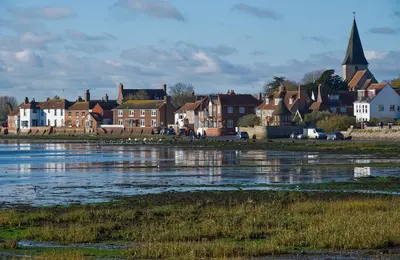
Southeast England encompasses the counties surrounding London between the Thames and the English Channel: Kent, Sussex, Surrey, Hampshire, Berkshire, Oxfordshire, and the Isle of Wight. Chalk cliffs like the Seven Sisters and the Cliffs of Dover define the coast; inland, the hills of the South Downs and North Downs stretch through pastures, forests, and vineyards.The region is densely populated and easily accessible by train from London. Canterbury, Windsor, Oxford, and Brighton are each approximately an hour's journey from the capital.

David Bell·Pexels

Guernsey

Guernsey

Guernsey is the second-largest of the Channel Islands and lies off the coast of Normandy. The island covers approximately 62 km² and has about 64,000 inhabitants. It is a Crown Dependency of the British Crown and does not belong to the United Kingdom; defence and foreign policy are largely handled by London. The Bailiwick of Guernsey also includes Alderney, Sark, and Herm; its capital is St Peter Port. Guernsey has its own pound banknotes and coins, which are valid alongside the British pound but are not accepted in Great Britain. Official languages are English and Guernésiais, the island's Norman dialect. You'll find centuries-old…

Enrapture Captivating Media·Unsplash

Recommended Itineraries

Discover the best routes through Great Britain.

  • Night trains in Europe
  • City breaks
  • Rail journeys & panoramic trains

South England: London, Cotswolds and Cornwall

The route takes you from London via Windsor and the South Downs to the Cotswolds and on to Cornwall, continuously heading west. It's advisable to pick up your rental car only after leaving London. It's around 500 kilometers to Land's End, and on Cornwall's single-track country roads, you'll need much more time than your navigation indicates.
14 Days
Stops at a glance
  1. 1.London
  2. 2.South East England
  3. 3.Cotswolds
  4. 4.Cornwall
View Route Details →
Scotland: Highlands and Isle of Skye

Scotland: Highlands and Isle of Skye

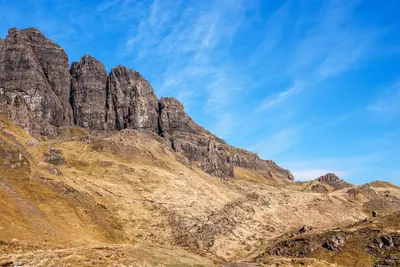
From Edinburgh, you travel via the Cairngorms and Glencoe to the Isle of Skye, finishing via Loch Lomond in Glasgow. Distances are short, but driving times are long: On the A82 and Skye's single-track roads with Passing Places, you'll barely average over 50 km/h. Accommodation on Skye should be booked months in advance.
12 Days
Open jaw
5 stops
Wales: North to South

Wales: North to South

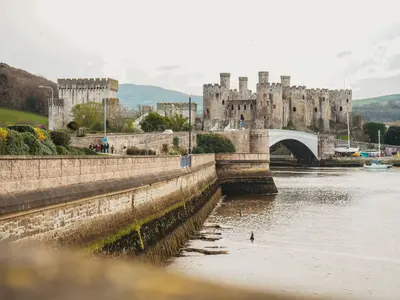
The route crosses Wales from Conwy on the North Coast, via Eryri, the Pembrokeshire coast and the Bannau Brycheiniog, to Cardiff. Main roads run east-west, so the journey along the west coast takes longer than the mileage suggests. By train, you will travel sections through England.

10 Days
Open jaw
5 stops

More routes

  • England's National Parks: Peak District and Lake District
  • Caledonian Sleeper: London, Inverness and Fort William
  • London in Five Days
  • Edinburgh in Three Days
All routes in Great Britain

What you eat in Great Britain

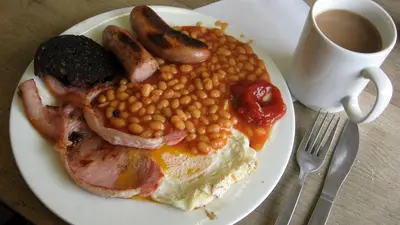
Full English Breakfast

Jakednb·CC BY 4.0

Full English Breakfast

The Great English Breakfast

Fried egg, bacon, sausages, baked beans, grilled tomato, mushrooms, and toast, often with Black Pudding made from blood and oats. Originating in the Victorian middle class, it later became working-class sustenance meant to last the day. In Scotland, Tattie Scones and Lorne Sausage are added; in Wales, Laverbread from seaweed.
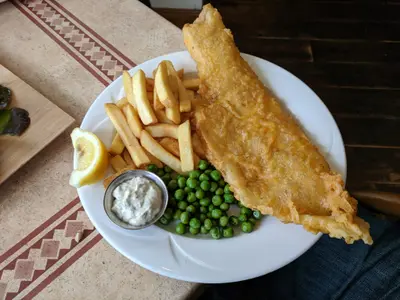
Fish and Chips

Grendelkhan·CC BY-SA 4.0

Fish and Chips

Fish in beer batter with thick fries

Cod or haddock, deep-fried in batter and served with thick-cut chips, accompanied by malt vinegar and salt. This combination originated in the 19th century from the Jewish tradition of fried fish and the potatoes of industrial working-class cuisine. In the North, it's accompanied by Mushy Peas, a purée of soaked marrowfat peas.
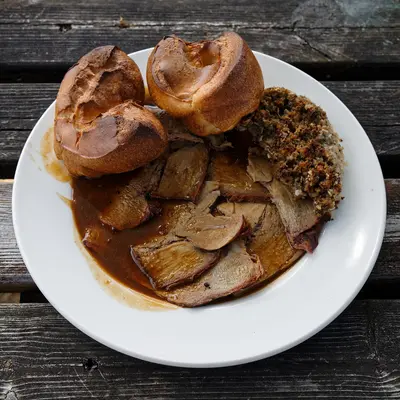
Sunday Roast

Acabashi·CC BY-SA 4.0

Sunday Roast

The Sunday Dinner Roast

Oven-roasted beef, lamb or chicken with roast potatoes, seasonal vegetables, gravy, and Yorkshire Pudding, a risen batter of flour, egg, and milk. The Sunday Roast dates back to when families put the meat in the oven before church. Pubs serve it on Sundays until the afternoon, often fully booked.
Cornish Pasty

Andy Li·CC0

Cornish Pasty

Filled turnover from Cornwall

A crescent-shaped pasty filled with beef, potato, swede, and onion, folded at the edge into a thick crimp. This crimp was originally the handle: tin miners in Cornwall ate the pasty with unwashed, arsenic-laden hands and threw it away. The authentic Cornish Pasty has carried a Protected Geographical Indication of the EU since 2011.
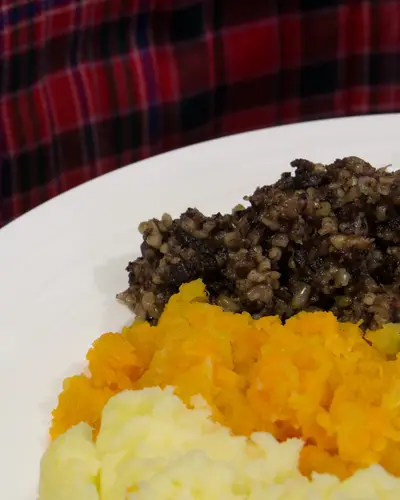
Haggis, Neeps and Tatties

User:Colin·CC BY-SA 4.0

Haggis, Neeps and Tatties

Scotland's National Dish

Sheep's offal with oats, onions, and spices, traditionally cooked in the animal's stomach, today usually in an artificial casing. This is accompanied by turnip and potato mash. For the Burns Supper on January 25th, the Haggis is ceremonially sliced during the recitation of Robert Burns' Address to a Haggis. Vegetarian versions with lentils and nuts are common.
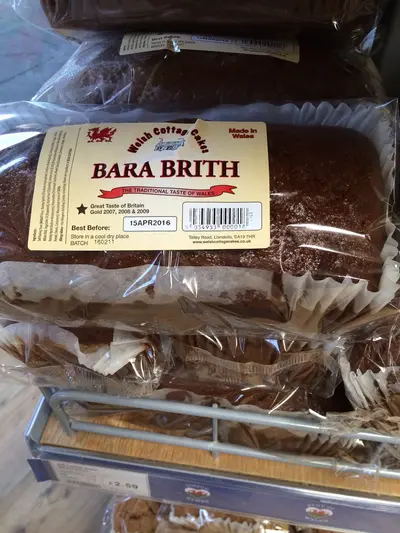
Bara Brith

Vouliagmeni·CC BY-SA 4.0

Bara Brith

The Welsh fruit bread

A dense bread with raisins and currants, soaked overnight in black tea, spiced with cinnamon and nutmeg. In Welsh, its name means speckled bread. Served in thick slices with salted butter, usually for afternoon tea. In Welsh tearooms, it joins Welsh Cakes, small raisin cakes cooked on a griddle.

Good to Know

Essential info for your trip planning.

Key facts

London · 69.5 million (2025) · English

Land & People

Four Constituent CountriesThe United Kingdom comprises England, Scotland, Wales, and Northern Ireland, each constituent…

History & Society

Introduction: Great Britain's Multifaceted History and SocietyAs an island nation on the doorstep of Europe, Great…

Food & Drink

Contrary to some outdated prejudices, Britain's culinary scene has evolved over recent decades into a dynamic and…

Practical Info

EntrySince Brexit, specific entry rules apply for Great Britain, which have changed several times, for instance…

Getting Around

Arrival in Great BritainYou can reach Great Britain in various ways.

RV Travel

Motorhome and Camping Trips in Great BritainGreat Britain is excellent for exploring by motorhome or campervan,…

Traveling with Kids

Great Britain with Children: A Family-Friendly Travel DestinationGreat Britain proves to be an extremely…

Best Time to Visit

When is the best time for your trip?

May
June
July
August
September
14–19°C·46–53 mm(little rain)
From May to September, the days are long and at their mildest; in Heathrow, the sun shines for an average of 5 to 7 hours a day. July and August are the warmest, with monthly averages around 19 °C, but also the busiest due to school holidays in England. May, June, and September are quieter.
The monthly values apply to London-Heathrow (WMO climate normal values 1991 to 2020). Great Britain has a temperate maritime climate with mild winters, moderately warm summers, and rain every month; Heathrow receives around 620 mm of rain annually.To the north and west, it becomes cooler and wetter. In Aberdeen-Dyce in Scotland, the July average is 14.7 °C instead of 19.0 °C in Heathrow, and in Keswick in the Lake District, around 1,580 mm of rain fall annually, well over two and a half times as much as in Heathrow.

Seasons

Jan
Feb
Mar
Apr
May
Jun
Jul
Aug
Sep
Oct
Nov
Dec
Summer, Peak Season
Spring and Autumn
Winter, chilly and dark
Best Time to Visit
▶Show detailed monthly data
MonthTemp (°C)Rain (mm)Sun (h)
January5.6592.0
February5.8452.8
March7.9394.0
April10.5425.9
May13.7466.7
June16.8476.9
July19.0467.0
August18.7536.5
September15.9505.2
October12.3653.7
November8.4672.4
December5.9571.8

By region

The best months to visit each region are highlighted.

By region
RegionJJanJanuaryFFebFebruaryMMarMarchAAprAprilMMayMayJJunJuneJJulJulyAAugAugustSSepSeptemberOOctOctoberNNovNovemberDDecDecember
Londonbest time to visitbest time to visitbest time to visitbest time to visitbest time to visit

Sources & method

  • Photos: Wikimedia Commons, Unsplash, Pexels. Each photo carries its credit.
  • The content is based on web research from public, traceable sources. How the content is made · The role of AI
Felix at Kuirau Park in Rotorua, New Zealand

Who's behind Fernweh?

Hi, I'm Felix.

I love to travel, and I love planning even more. Fernweh.guide is my attempt at building a really good online travel guide.

About Fernweh

All places in Great Britain

  • Ambleside & Grasmere
  • Bakewell
  • Bannau Brycheiniog (Brecon Beacons)
  • Bath
  • Bibury
  • Bourton-on-the-Water
  • Brighton
  • Buxton
  • Cairngorms National Park
  • Cambridge
  • Canterbury
  • Cardiff
  • Castle Combe
  • Castleton
  • Chipping Campden
  • Conwy
  • Cornwall
  • Cotswolds
  • Dark Peak
  • Deal & Sandwich
  • Dovedale
  • Dover
  • East End
  • Edinburgh
  • Eryri (Snowdonia) National Park
  • Falmouth
  • Fishguard
  • Glasgow
  • Glencoe & Fort William
  • Greenwich
  • Guernsey
  • Inverness
  • Isle of Portland
  • Isle of Skye
  • Isle of Wight
  • Kensington & Chelsea
  • Keswick
  • Lake District National Park
  • Liverpool
  • London
  • New Town
  • North Cornwall Coast
  • Old Town
  • Oxford
  • Peak District National Park
  • Pembrokeshire Coast National Park
  • Portsmouth
  • Rye & Camber Sands
  • Scotland
  • South Bank
  • South Cornwall Coast & Roseland Peninsula
  • South Downs National Park
  • South East England
  • Stirling
  • Stonehenge and Salisbury
  • Stow-on-the-Wold
  • The City of London
  • Ullswater
  • Wales
  • Wasdale & Scafell Pike
  • West Cornwall & Land's End
  • West End
  • Westminster and St James's
  • White Peak
  • Whitstable
  • Windermere & Bowness-on-Windermere
  • York

More about Great Britain

  • Best Time to Visit Great Britain
  • Great Britain with Kids
  • Great Britain by RV
All Places & RegionsRound tripsNight trains in EuropeAll highlightsAbout FernwehFAQPrivacy PolicyImprint
Download on the App StoreGet it on Google Play
ExploreGuideDestinationsMy tripsMy trip