Fernweh: Home
    ExploreTravel GuidesPlan a tripMy tripLast visited
    de|en
    All Places & RegionsAll highlightsAbout FernwehFAQPrivacy PolicyImprint
    ExploreTravel GuidesPlan a tripMy tripLast visited
    • Why go
    • Highlights
    • Explore regions
    • Round trips
    • Local food
    • Good to know
    • Best time to visit
    • Travel advice
    France

    Travel Guide France

    France blends high mountains, Atlantic and Mediterranean coasts with cities whose history dates back to Roman times, and a food culture unique to each region.

    by Felix Gillen

    Contents

    • Why go
    • Highlights
    • Explore regions
    • Round trips
    • Local food
    • Good to know
    • Best time to visit
    • Travel advice

    Why Go To France?

    In a compact area, France's landscapes stretch from the Mont-Blanc Massif's glaciers, through the Loire Châteaux, to Corsica's rocky coves. Then there's Paris with its museums, hundreds of cheese types, and wine regions like Bordeaux, Burgundy, and Champagne. For German travelers, much of this is just a few hours away by car or train.

    Where in France?

    Pick a region. The highlights, road trips and places below follow your choice.
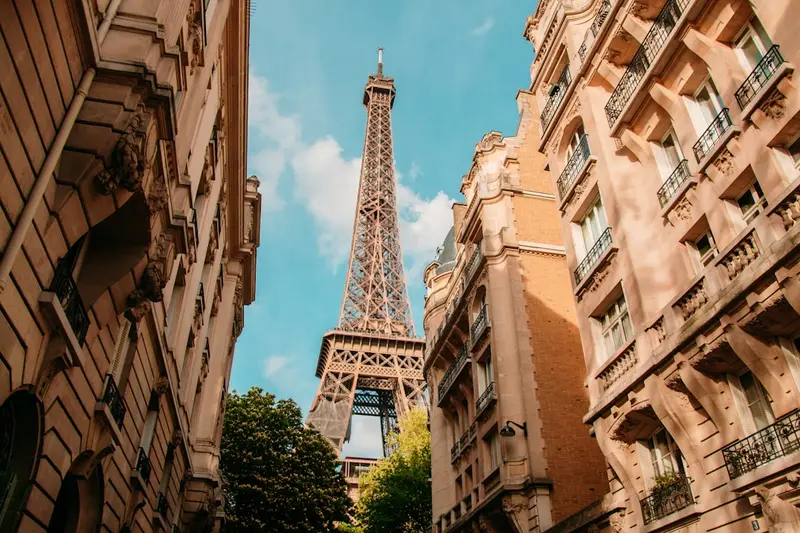
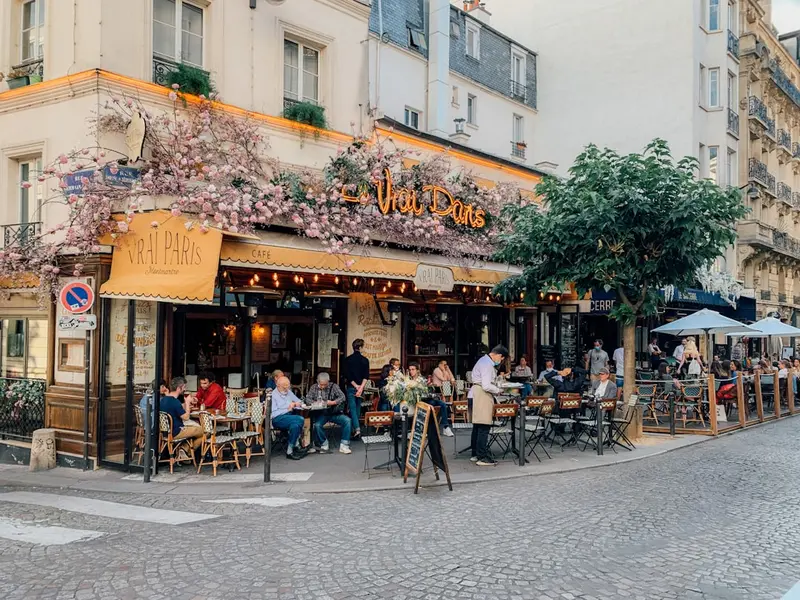
    Paris
    Highlight 1 of 8

    Paris

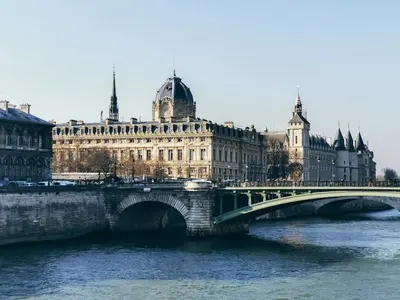
    Paris combines art, culture, and gastronomy like few other cities. Here you'll discover landmarks like the Eiffel Tower, the Louvre Museum, and Notre-Dame Cathedral on Île de la Cité, which will reopen in December 2024 after the 2019 fire.

    Discover
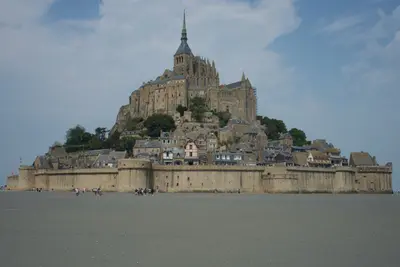
    Mont Saint-Michel
    Highlight 2 of 8

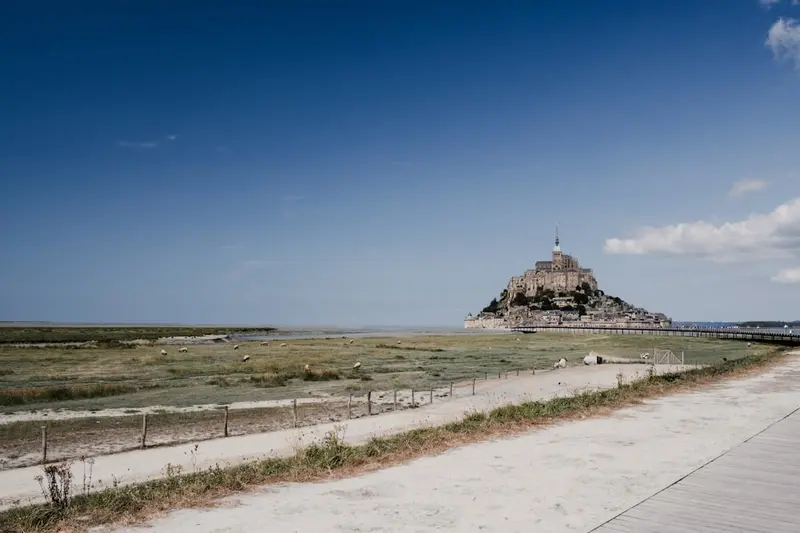
    Mont Saint-Michel

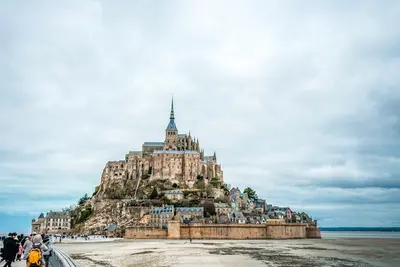
    The Mont Saint-Michel rises as a rocky island from the tidal bay on the border between Normandy and Brittany.

    Discover
    Bordeaux
    Highlight 3 of 8

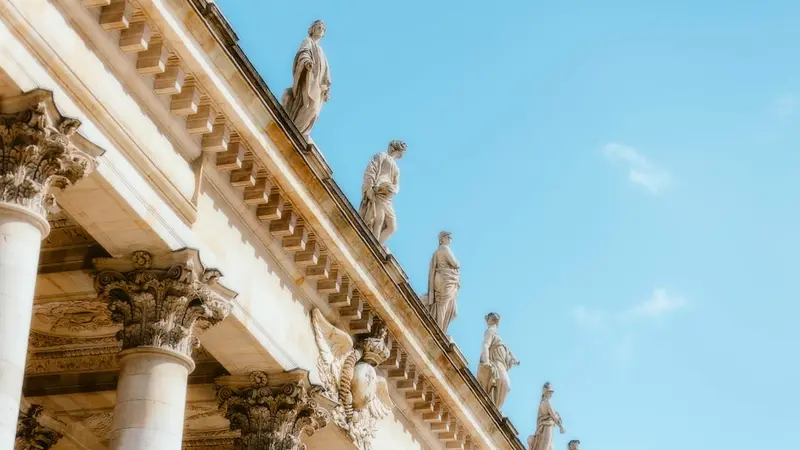
    Bordeaux

    Bordeaux, situated on the Garonne, is the heart of one of the world's most renowned wine regions. The city is characterized by 18th-century classical architecture, and its historic port area has been a UNESCO World Heritage site since 2007.

    Discover
    Arcachon
    Highlight 4 of 8

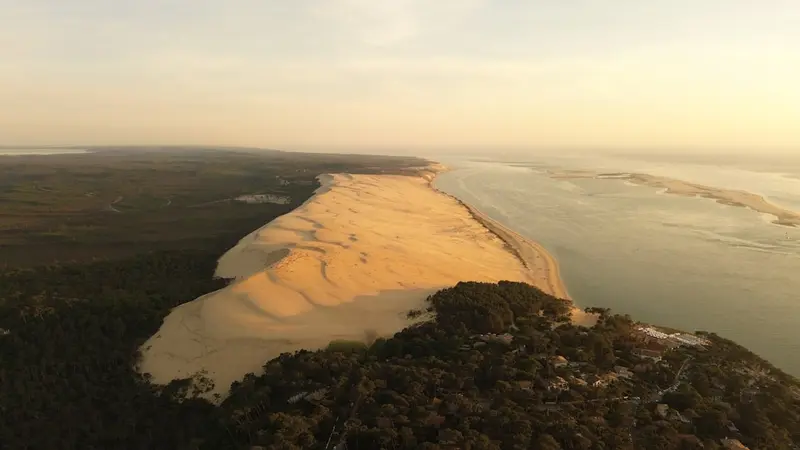
    Arcachon

    Arcachon is a seaside resort on the Bassin d'Arcachon on the Atlantic coast. The town combines the villas of the Ville d'Hiver from the 19th century, beaches, markets, and the bay's oyster farming.

    Discover
    Carcassonne
    Highlight 5 of 8

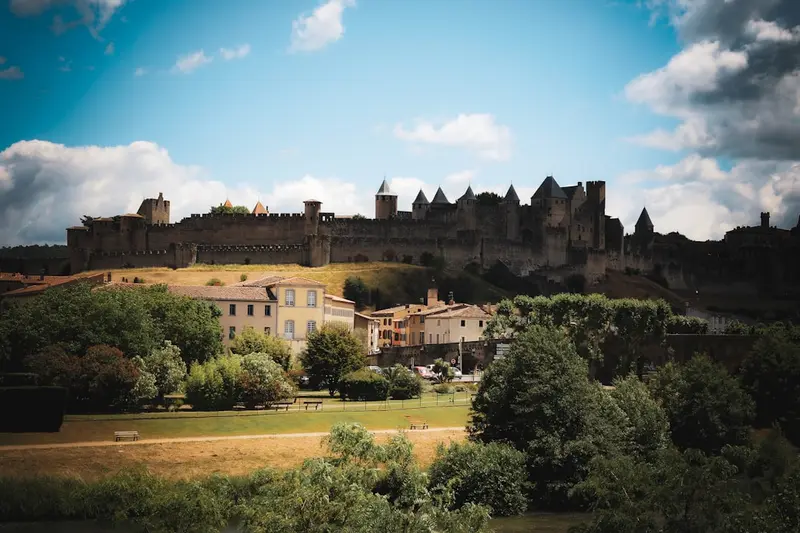
    Carcassonne

    Carcassonne is renowned for its Cité de Carcassonne, an impressive, double-walled fortress city and a UNESCO World Heritage site.

    Discover
    Avignon
    Highlight 6 of 8

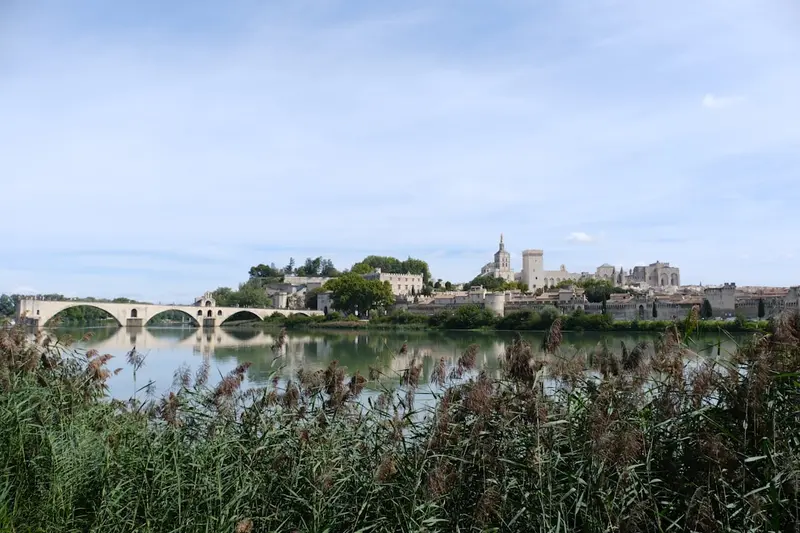
    Avignon

    Historical Avignon in Provence is inextricably linked to its time as a papal seat in the 14th century. Its imposing city walls enclose an Old Town that is a UNESCO World Heritage site.

    Discover
    Nice
    Highlight 7 of 8

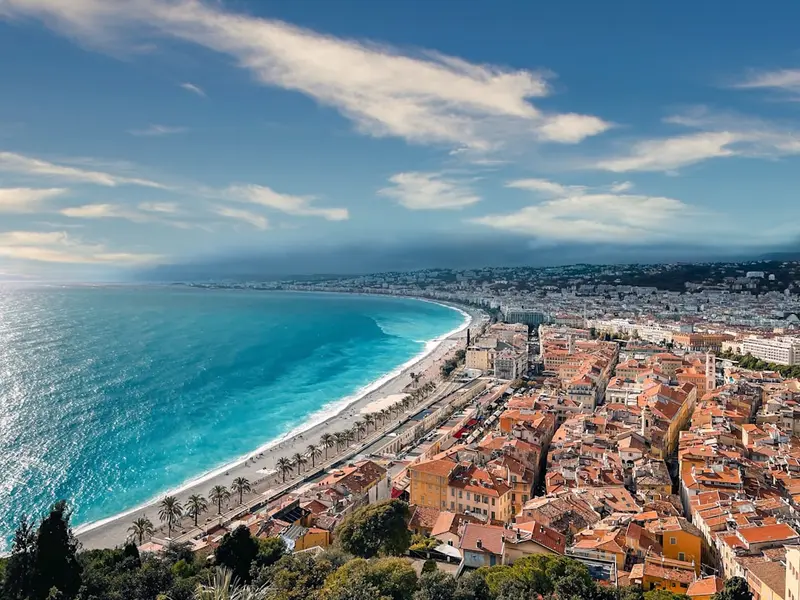
    Nice

    Nice is the largest city on the Côte d'Azur, situated on the Baie des Anges, about 30 kilometers from the Italian border.

    Discover
    Champagne
    Highlight 8 of 8

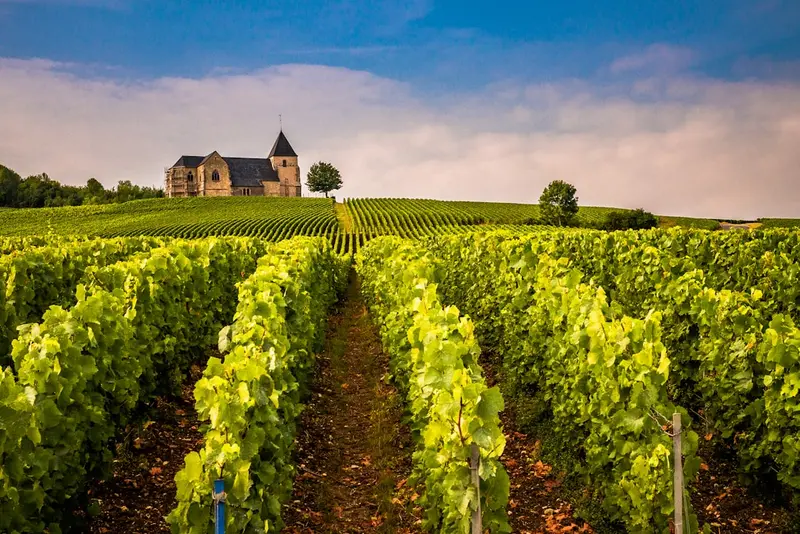
    Champagne

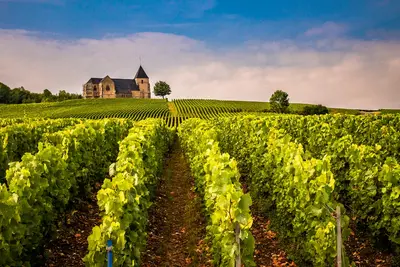
    Champagne, in northeastern France, is home to the sparkling wine of the same name. Gentle vineyards, historic cities like Reims and Troyes, and miles of chalk cellars characterize the region.

    The Champagne region in northeast France is inextricably linked with the sparkling wine that takes its name from here. You'll discover hilly landscapes full of vines, whose historic hillsides, Champagne Houses, and cellars have been UNESCO World Heritage sites since 2015.

    Discover

    How to plan your trip to France

    From the guide to the road: here is what comes next.

    1. 1
      Sunrise over alpine peaks and a sea of clouds
      1234

      Round trip

      12 days · 4 stops

      Saved

      Pick a route

      Pick a ready-made one or save places and plan your own.

      Browse routes
    2. 2

      Trip to France

      Live
      • 1Paris3 days
      • 2Mont Saint-Michel4 days
      • 3Bordeaux5 days
      Budget

      Plan your trip

      The planner sorts stops, days and budget. Plan together in real time.

      Go to My Trips
    3. 3
      9:41 No signal
      France
      Available offline

      Use it on the road

      Download the guide to your phone and use it on site, even offline.

    Regions to Discover

    Explore the diverse regions, from the coast to the mountains.
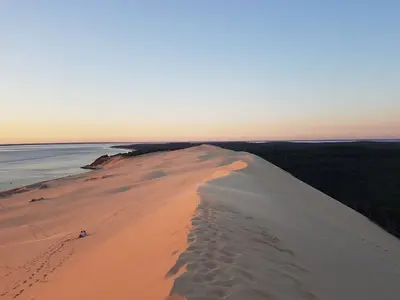
    Atlantic Coast (Côte Atlantique)

    Atlantic Coast (Côte Atlantique)

    The French Atlantic Coast stretches from the port towns of Charente-Maritime across the vineyards of Gironde to the surf of the Basque Country. Between Bordeaux, the Bassin d'Arcachon, and the endless pine forests of Landes lie Europe's highest shifting dune, tranquil inland lakes, and surf spots that set the region's rhythm.
    Centre-Val de Loire

    Centre-Val de Loire

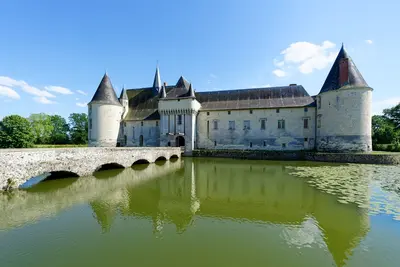
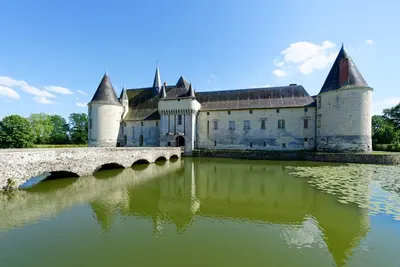
    The Centre-Val de Loire region stretches from Chartres in the north to Berry in the south. Its heart is the Loire Valley with its châteaux and gardens, the section of which between Sully-sur-Loire and Chalonnes is a UNESCO World Heritage site. It also features forests like the Sologne, wine regions from Sancerre to Vouvray, and a cuisine with goat cheese, game, and river fish.
    Auvergne-Rhône-Alpes

    Auvergne-Rhône-Alpes

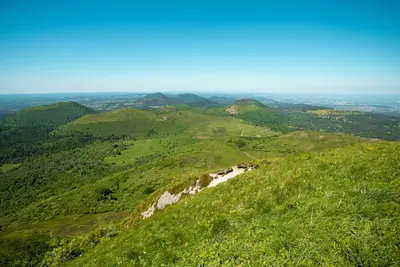
    The Auvergne-Rhône-Alpes region in eastern and central France stretches from the peaks of the Alps through the volcanic landscapes of the Auvergne to the major city of Lyon. It is a destination for mountain sports, hiking, culture, and good food and boasts several UNESCO World Heritage Sites, including Lyon's Old Town and the Chaîne des Puys.
    Brittany

    Brittany

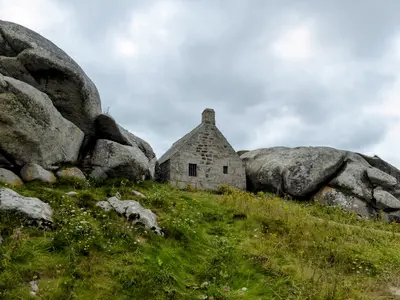
    Brittany, in northwest France, is shaped by a rugged coastline, a distinctive culture with Celtic roots, and a vibrant Breton identity. Neolithic megaliths, fishing villages, walled port cities, and a unique cuisine featuring Galettes, seafood, and Cidre define the region.
    Burgundy (Bourgogne)

    Burgundy (Bourgogne)

    Burgundy (Bourgogne) in eastern France is known for wine, history, and gastronomy. Highlights include the vineyards of the Côte d'Or, Romanesque churches and abbeys like Vézelay, Cluny, and Fontenay, and the Ducal Palace in Dijon.Additionally, you'll find medieval towns and canals where you can travel by houseboat or cycle along the canalside path.
    Champagne

    Champagne

    Champagne, in northeastern France, is home to the sparkling wine of the same name. Gentle vineyards, historic cities like Reims and Troyes, and miles of chalk cellars characterize the region. The "Hillsides, Houses and Cellars of Champagne" have been a UNESCO World Heritage site since 2015.
    Côte d'Azur

    Côte d'Azur

    The Côte d'Azur, the French Riviera, is the Mediterranean coastal strip between Saint-Tropez and the Italian border near Menton. Here you'll find cities like Nice and Cannes, seaside resorts, mountain villages in the hinterland, and numerous art museums. In the middle of the coast lies the Principality of Monaco, an independent state surrounded by France.
    Dordogne (Périgord)

    Dordogne (Périgord)

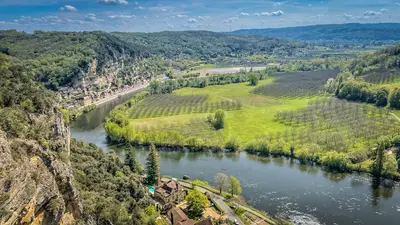
    The Dordogne, historically known as Périgord, is located in southwest France. The region is renowned for prehistoric cave art, medieval castles overlooking the river valley, villages of pale limestone, and a cuisine featuring duck, truffles, and walnuts.
    Alsace

    Alsace

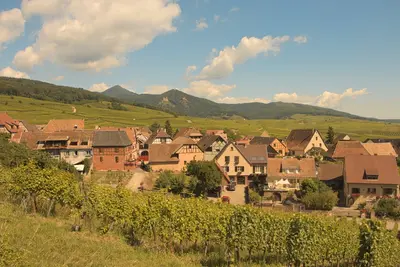
    The Alsace region in eastern France, nestled between the Vosges Mountains and the Rhine, borders Germany. It blends French and German influences and is famed for its vineyards, half-timbered wine villages, cities like Strasbourg and Colmar, and a rich, eventful history.Also noteworthy are its hearty regional cuisine, white wines like Riesling and Gewürztraminer, and castles bordering the Vosges.
    Hauts-de-France

    Hauts-de-France

    The Hauts-de-France region in northern France combines Gothic cathedrals, Flemish-influenced cities, and long sandy beaches along the Opal Coast. It is shaped by its role in both World Wars and its mining heritage, and is conveniently located between Paris, Brussels, and London.
    Corsica

    Corsica

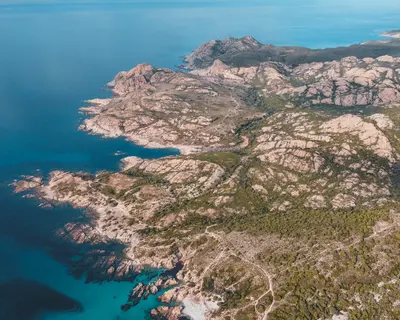
    Corsica, the "Île de Beauté", is a mountainous Mediterranean island with its own administrative region within France, the Collectivité de Corse. It boasts rocky coasts, sandy coves, mountain villages, chestnut forests and high mountains with peaks over 2,700m. Featuring Genoese citadels, port cities like Ajaccio and Bastia, UNESCO World Heritage, Gulf of Porto, and a distinct culture with its own language.
    Île-de-France

    Île-de-France

    The Île-de-France is the political and cultural center of France. Beyond Paris, you'll find royal châteaux, extensive forests, and historic towns, all easily reachable as day trips from the capital.
    Loire Valley (Vallée de la Loire)

    Loire Valley (Vallée de la Loire)

    The Loire Valley, between Sully-sur-Loire and Chalonnes-sur-Loire, has been on the UNESCO World Heritage List since 2000. The region is known for its châteaux (often numbering over 300), its gardens, and its wide river landscapes.Its moniker, the "Garden of France," points to its fruit and vegetable cultivation, along with wine regions from Sancerre to Muscadet, and a cuisine heavily reliant on regional products.
    Normandy

    Normandy

    Normandy combines cliffs, green pastures, and apple orchards with a rich historical heritage. From Mont Saint-Michel to the cathedrals of Rouen and Bayeux and the D-Day landing beaches, the region's history spans over more than a thousand years.
    Occitania (Occitanie)

    Occitania (Occitanie)

    Occitania is the region in Southern France, stretching from the peaks of the Pyrenees to the beaches of the Mediterranean. Here you'll find Roman structures, medieval fortresses, and vibrant cities like Toulouse and Montpellier, alongside a distinct regional cuisine and vast wine regions. Culture and landscape are often just a few kilometers apart.
    Pays de la Loire

    Pays de la Loire

    The Pays de la Loire stretches along the lower course of the Loire to the Atlantic coast. The region includes cities like Nantes, Angers, and Le Mans, the châteaux and vineyards of Anjou and around Saumur, as well as the coasts of Loire-Atlantique and Vendée with islands such as Noirmoutier and Yeu.
    Provence

    Provence

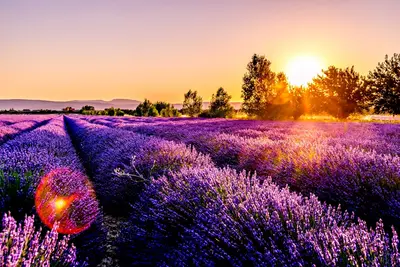
    The Provence in southeastern France stretches from the Rhône Valley into the Pre-Alps and to the coast near Marseille. Here you'll find Roman structures, medieval hilltop villages, lavender fields on the plateaus, the Verdon Gorges, and lively cities like Marseille, Avignon, and Aix-en-Provence. Additionally, there are markets, wine, and a cuisine rich in vegetables, olive oil, and herbs.

    Recommended Itineraries

    Discover the best routes through France.
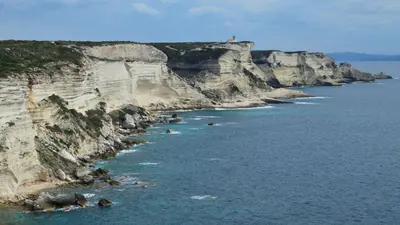
    Corsica Island Circuit

    Corsica Island Circuit

    From Bastia, drive to the mountain town Corte, then to Calvi on the northwest coast. Via the coastal road, reach Porto and Ajaccio, finally to Bonifacio in the south, from where Figari airport is half an hour away. Allow more time for the winding roads than the kilometers suggest.

    13 Days
    Stops at a glance
    1. 1.Bastia
    2. 2.Corte
    3. 3.Calvi
    4. 4.Porto (Corsica)
    5. 5.Ajaccio
    6. 6.Bonifacio
    View Route Details →
    Provence & Côte d'Azur

    Provence & Côte d'Azur

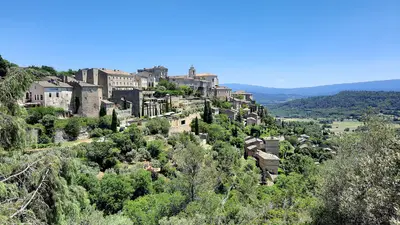
    From Avignon, you drive into the Luberon to Gordes and on to Moustiers-Sainte-Marie on the edge of the Verdon Gorge. After that, it's down to the coast to Saint-Tropez, Cannes, and finally Nice; no leg takes longer than about two and a half hours.
    13 Days
    6 stops
    Normandy & Brittany

    Normandy & Brittany

    From Rouen, you drive to the Alabaster Coast to Étretat and via Honfleur and Bayeux to Mont-Saint-Michel. In Brittany, Saint-Malo follows, and finally Vannes on the Gulf of Morbihan; the longest leg from Saint-Malo to Vannes takes a good two hours.
    15 Days
    7 stops
    Alsatian Wine Route

    Alsatian Wine Route

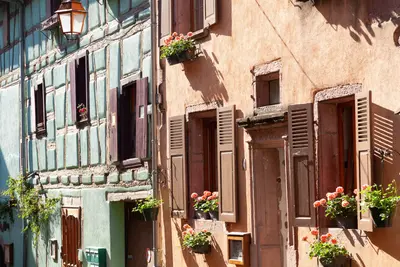
    From Strasbourg, south along the Alsace Wine Route via Obernai, Ribeauvillé, and Riquewihr to Colmar. Then Eguisheim, the wine village, and finally Mulhouse; most legs are under half an hour.
    11 Days
    7 stops
    Loire Châteaux

    Loire Châteaux

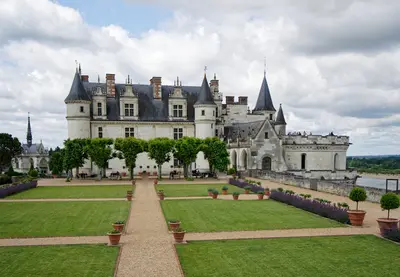
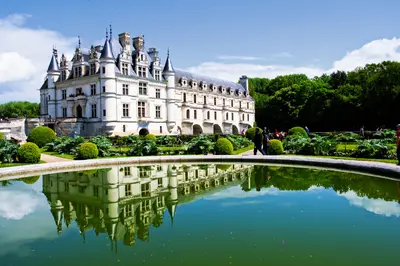
    From Orléans, head downstream along the Loire via Chambord and Blois to Amboise, with a detour along the Cher to Chenonceau. Via Tours, you end up in Chinon on the Vienne; stages are usually under an hour.
    14 Days
    7 stops
    Bordeaux & Atlantic Coast

    Bordeaux & Atlantic Coast

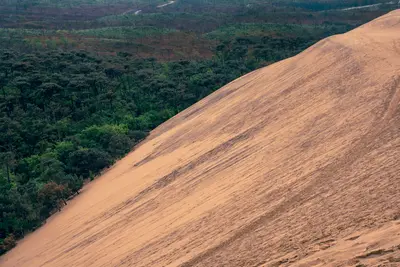
    After three nights in Bordeaux, drive to the Bassin d'Arcachon and visit the Dune du Pilat from Arcachon, about 15 minutes away. Then, through the Landes' pine forests via Biscarrosse and Mimizan to Biarritz; the longest leg takes a good 90 minutes.

    14 Days
    5 stops

    What you eat in France

    Croissant

    Croissant

    Butter Croissant

    The croissant, a laminated dough with butter in thin layers, is crispy outside and soft inside. In France, it's eaten for breakfast, usually plain, with a Café crème. It tastes best fresh from the Boulangerie in the morning; “croissant au beurre” indicates only butter was used.
    Gratinated Onion Soup

    Gratinated Onion Soup

    Cheese-Crusted Onion Soup

    The Parisian bistro's onion soup: Onions are slowly cooked until caramelized, then broth is added. A slice of bread and grated cheese, usually Comté or Gruyère, are placed on top and gratinéed in the oven. Traditionally, it was a fortifying dish after long nights at the Parisian market halls.
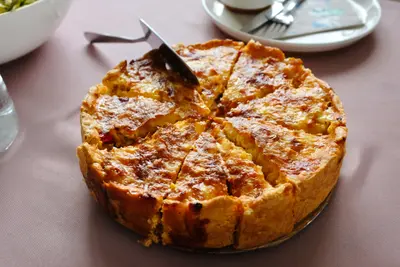
    Quiche Lorraine

    Quiche Lorraine

    Bacon Cheese Quiche

    The Quiche Lorraine consists of a shortcrust pastry base with a filling of eggs, cream or crème fraîche, and bacon cubes (lardons). Cheese is not part of the original recipe, but many modern versions include it anyway. It is eaten warm or lukewarm and can be found in bakeries and brasseries throughout the country.
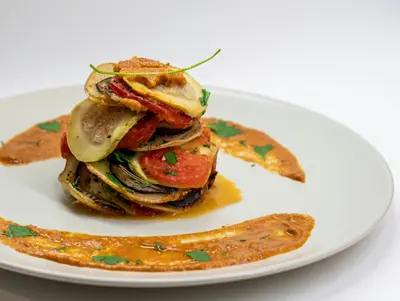
    Ratatouille

    Ratatouille

    Braised Vegetables

    This vegetable stew from the Nice region features aubergines, courgettes, peppers, onions and tomatoes, slow-cooked with garlic, olive oil and herbs. Ratatouille is a side dish for meat or fish, but is also enjoyed as a dish on its own, hot or cold.
    Crème brûlée

    Crème brûlée

    Caramel Cream

    A cream-based custard of egg yolks, sugar, and vanilla, cooked in a water bath. Just before serving, its surface is sprinkled with sugar and caramelised with a torch or under the broiler, creating a thin, crisp crust. It features on almost every bistro's dessert menu.
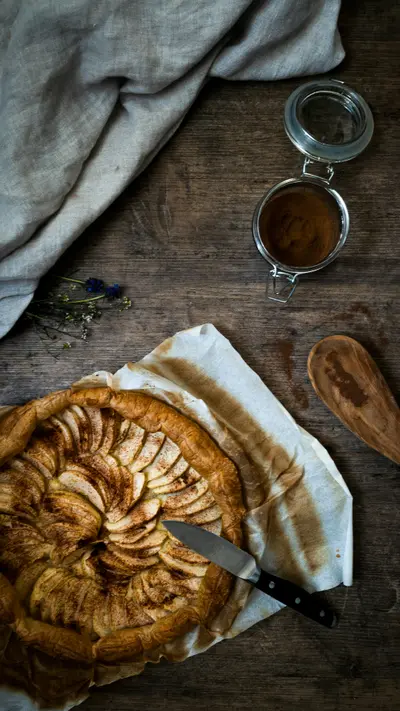
    Tarte Tatin

    Tarte Tatin

    Upside-down Apple Cake

    An upside-down apple tart, named after the Tatin sisters, who ran a hotel in Lamotte-Beuvron, south of Orléans, at the end of the 19th century. The apples are caramelized in butter and sugar, covered with pastry, and baked; after baking, the mold is inverted. A spoonful of Crème fraîche pairs perfectly with it.

    Good to Know

    Essential info for your trip planning.

    Land & People

    One Country, Many RegionsFrance, with approximately 550,000 square kilometers (excluding overseas territories), is the…

    History & Society

    From Gauls and Romans to KingsGreek settlers founded Massalia, modern-day Marseille, around 600 BC, introducing…

    Food & Drink

    Culinary CultureThe "gastronomic meal of the French" has been on UNESCO's Intangible Cultural Heritage list since 2010.

    Practical Info

    Safety and HealthFor current and authoritative travel, safety and health advice, see the UK Foreign, Commonwealth &…

    Getting Around

    By TrainThe national railway SNCF connects Paris radially with major cities.

    RV Travel

    Pitches and CampgroundsMotorhome Stopovers: Many municipalities operate their own pitches, often with service and…

    Traveling with Kids

    General InformationFrance is an easy country to travel with children: supermarkets and pharmacies stock baby food and…

    Best Time to Visit

    When is the best time for your trip?

    April
    May
    September
    October
    12–18°C·55–70 mm(moderate rain)
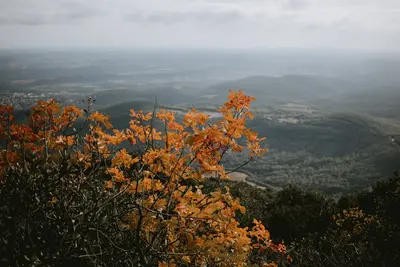
    When is the best time to visit France? This isn't a straightforward question to answer, as France is incredibly diverse and has its own unique charm in every season. It strongly depends on what you want to experience – whether you want to hike through lavender fields, carve up the ski slopes, explore vibrant cities, or relax by the sea. Let's take a look at the different seasons to help you find the perfect time to visit for your plans.Spring (April to June): For many, spring is the ideal time to travel, especially if you wish to avoid crowds and enjoy mild temperatures. The country comes alive, flowers bloom, and the days grow longer. This period is perfect for city breaks to Paris, Lyon, or Bordeaux. The Loire châteaux and the gardens of the Côte d'Azur also show themselves at their most beautiful. In the south, it can already become pleasantly warm, while the north remains agreeably mild. Keep in mind that Easter and Pentecost are popular travel times for domestic visitors, which can lead to fuller accommodations.Summer (July to August): Summer is undoubtedly the high season in France. If you love sun, beaches, and the lively hustle and bustle, this is the place for you. The coastal regions, from Brittany to the Côte d'Azur, are bustling and offer numerous water sports opportunities and festivals. Be prepared, however, that it can get very hot in Southern France (Provence, Côte d'Azur) – often exceeding 30 degrees Celsius. Accommodation prices also rise significantly, and popular spots are often overcrowded. If you tolerate heat well and enjoy the vibrant activity, summer is fantastic.Autumn (September to October): Autumn is a beautiful and often underestimated travel time. The extreme summer temperatures subside, the light becomes softer, and the landscape is bathed in golden and red hues. This is the perfect time for wine lovers to visit the wine regions like Bordeaux, Burgundy, or Champagne during the grape harvest. Hikes, especially in the Alps or Pyrenees, are still very possible before the first snow falls. Cities are less crowded than in summer and still very charming.Winter (November to March): In winter, France transforms into a paradise for skiers and snowboarders, especially in the Alps and Pyrenees. Places like Chamonix or Val Thorens attract with first-class slopes. But winter also has its charm away from the mountains. Cities like Paris are festively lit and offer cozy cafés and museums. The Christmas markets are enchanting. However, it can be cool and rainy throughout the country. If you seek a cozy atmosphere, good food, and cultural experiences away from the main tourist crowds, winter can be a very pleasant choice.In summary: Carefully consider what kind of holiday you desire. Each season has its advantages, and France is always worth a trip!
    Klimatische Vielfalt FrankreichsFrankreich weist eine bemerkenswerte klimatische Vielfalt auf, die stark von seiner geografischen Lage zwischen Atlantik, Mittelmeer und verschiedenen Gebirgsketten geprägt ist. Die oben genannten monatlichen Daten stellen einen Durchschnitt dar und sollten als allgemeine Orientierung dienen, da die regionalen Unterschiede erheblich sein können.Norden und Westen (Atlantisches Klima): Regionen wie die Bretagne, Normandie und das Pariser Becken sind durch ein gemäßigtes ozeanisches Klima gekennzeichnet. Die Sommer sind eher mild, die Winter feucht und milde. Niederschläge verteilen sich über das ganze Jahr, die Temperaturen sind selten extrem.Zentrum und Osten (Kontinentales Klima): Weiter im Landesinneren, zum Beispiel in Burgund oder dem Elsass, zeigt sich ein kontinentalerer Einfluss. Hier sind die Temperaturschwankungen zwischen Sommer und Winter größer, mit heißeren Sommern und kälteren Wintern, oft mit Schnee.Süden (Mittelmeerklima): Die Mittelmeerküste, einschließlich der Provence und Côte d'Azur, genießt ein klassisches Mittelmeerklima. Die Sommer sind heiß und sehr trocken, die Winter mild und feuchter. Charakteristisch ist hier oft der Mistral, ein kalter, trockener Fallwind, der besonders im Rhônetal auftritt und für sehr klare Luft sorgt.Gebirgsregionen (Alpen, Pyrenäen, Zentralmassiv): Die Hochgebirge Frankreichs weisen ein alpines Klima auf. Hier sind die Winter lang, sehr kalt und schneereich, was sie zu beliebten Skigebieten macht. Die Sommer sind kühler und bieten ideale Bedingungen zum Wandern.Aufgrund dieser Vielfalt ist es ratsam, sich vor der Reiseplanung über die spezifischen Wetterbedingungen der gewählten Region zu informieren und entsprechend der Reisezeit und des Ziels Kleidung in Schichten einzupacken. Eine ausgeprägte Regen- oder Trockenzeit im tropischen Sinne gibt es in Frankreich nicht, jedoch können mediterrane Sommer sehr trocken sein und atlantische Winter sehr feucht.

    Seasons

    Jan
    Feb
    Mar
    Apr
    May
    Jun
    Jul
    Aug
    Sep
    Oct
    Nov
    Dec
    Hauptsaison
    Übergangssaison
    Nebensaison
    Best Time to Visit
    ▶Show detailed monthly data
    MonthTemp (°C)Rain (mm)Sun (h)
    January5.0602.5
    February6.0553.5
    March9.0505.0
    April12.0556.5
    May16.0607.5
    June19.0559.0
    July22.0459.5
    August21.0508.5
    September18.0607.0
    October14.0704.5
    November9.0753.0
    December6.0652.0

    Travel advice

    Safety, entry requirements and health: the official, up-to-date advice for France is published by the UK government on GOV.UK.

    Go to GOV.UK

    Sources & method

    • Photos: Wikimedia Commons, Unsplash, Pexels. Each photo carries its credit.
    • The content is based on web research from public, traceable sources. How the content is made · The role of AI
    Felix at Kuirau Park in Rotorua, New Zealand

    Who's behind Fernweh?

    Hi, I'm Felix.

    I love to travel, and I love planning even more. Fernweh.guide is my attempt at building a really good online travel guide.

    About Fernweh

    All places in France

    • Agde
    • Aix-en-Provence
    • Ajaccio
    • Albertville
    • Albi
    • Alsace
    • Amboise
    • Amiens
    • Angers
    • Annecy
    • Antibes Juan-les-Pins
    • Arcachon
    • Arles
    • Arras
    • Atlantic Coast (Côte Atlantique)
    • Auvergne-Rhône-Alpes
    • Avignon
    • Bassin d'Arcachon & Dune du Pilat
    • Bastia
    • Bayeux
    • Beaune
    • Béziers
    • Biarritz
    • Biscarrosse
    • Blois
    • Bonifacio
    • Bordeaux
    • Briançon
    • Brittany
    • Burgundy (Bourgogne)
    • Caen
    • Calanques de Piana
    • Calvi
    • Canal du Midi
    • Cannes
    • Cap Corse
    • Carcassonne
    • Carnac
    • Castelnaud-la-Chapelle
    • Centre-Val de Loire
    • Chalon-sur-Saône
    • Châlons-en-Champagne
    • Chambord
    • Chamonix-Mont-Blanc
    • Champagne
    • Chantilly
    • Château du Haut-Kœnigsbourg
    • Chenonceau
    • Chinon
    • Clermont-Ferrand
    • Cluny
    • Col de l'Iseran
    • Col de la Bonette
    • Colmar
    • Cordes-sur-Ciel
    • Corsica
    • Corte
    • Côte d'Azur
    • Côte d'Opale (Opal Coast)
    • Côte de Granit Rose
    • D-Day Landing Beaches
    • Dijon
    • Dinan
    • Disneyland Paris
    • Dole
    • Domme
    • Dordogne (Périgord)
    • Dunkerque (Dunkirk)
    • Eguisheim
    • Étretat
    • Èze
    • Fontainebleau
    • Gevrey-Chambertin
    • Giverny
    • Gordes
    • Gorges de l'Ardèche
    • Gorges du Verdon
    • Grenoble
    • Gruissan
    • Guérande
    • Hauts-de-France
    • Hautvillers
    • Honfleur
    • Île-de-France
    • La Baule-Escoublac
    • La Rochelle
    • Lac Chambon
    • Lac du Bourget
    • Le Mans
    • Les Sables d'Olonne
    • Lille
    • Loire Valley (Vallée de la Loire)
    • Lyon
    • Marseille
    • Megève
    • Menton
    • Meursault
    • Mimizan
    • Monaco
    • Mont Saint-Michel
    • Mont-Dore
    • Montagne de Reims
    • Montignac-Lascaux
    • Moustiers
    • Mulhouse
    • Nantes
    • Narbonne
    • Nice
    • Noirmoutier
    • Normandy
    • Obernai
    • Occitania (Occitanie)
    • Orléans
    • Paris
    • Pays de la Loire
    • Périgueux
    • Pommard
    • Pont du Gard
    • Pornic
    • Porto (Corsica)
    • Porto-Vecchio
    • Provence
    • Provins
    • Puy de Dôme
    • Pyrenees National Park
    • Quimper
    • Regional Natural Park of the Auvergne Volcanoes
    • Regional Natural Park Vexin français
    • Reims
    • Rennes
    • Restonica Valley
    • Ribeauvillé
    • Riquewihr
    • Rouen
    • Saint-Émilion
    • Saint-Germain-en-Laye
    • Saint-Gilles
    • Saint-Malo
    • Saint-Tropez
    • Salers
    • Sarlat-la-Canéda
    • Sète
    • Strasbourg
    • The Alsace Wine Route
    • Toulouse
    • Tours
    • Troyes
    • Vallon-Pont-d’Arc
    • Vannes
    • Versailles
    • Vézelay

    More about France

    • Best Time to Visit France
    • France with Kids
    • France by RV